
Anthropic Expands Infrastructure With SpaceX Partnership

The agreement, as reported, links Anthropic’s expanding AI workload requirements with SpaceX’s infrastructure capabilities, particularly in high-performance, distributed compute environments.

May 7, 2026
|
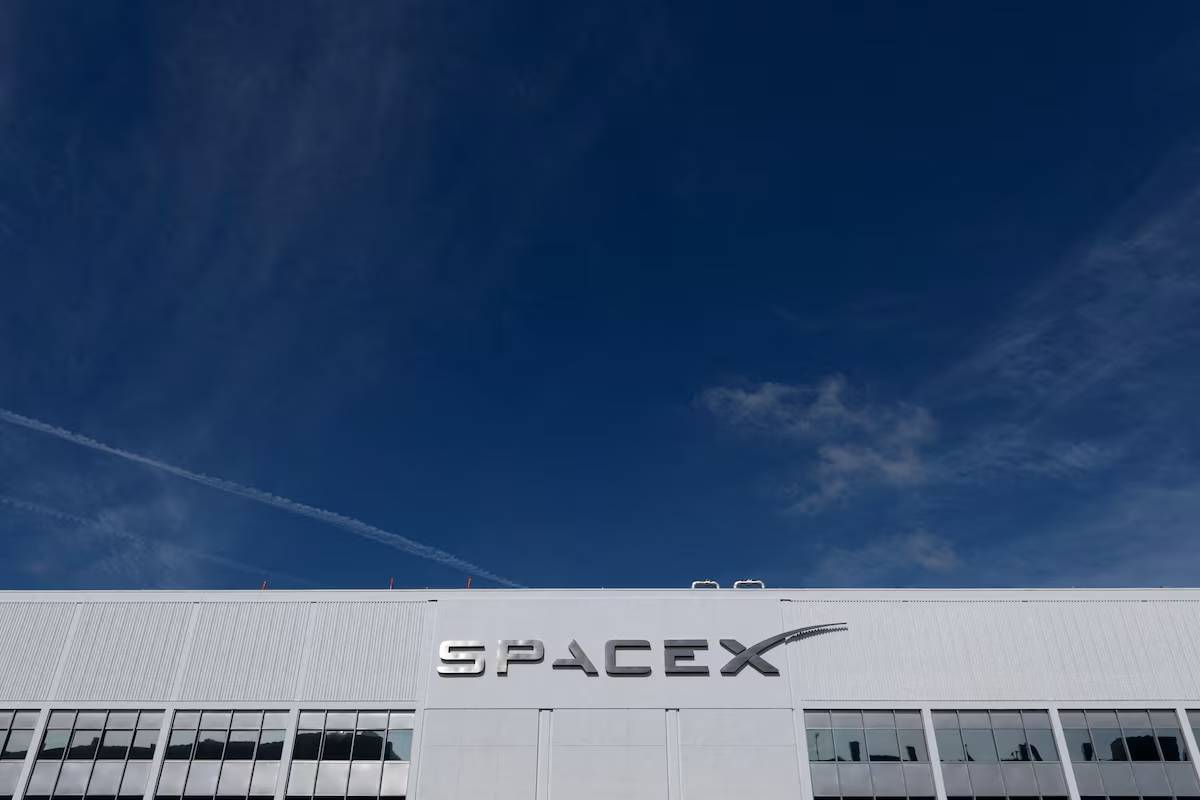
Image Source: Reuters

A major development unfolded as Anthropic advances both infrastructure and model capability strategy through a reported data center partnership with SpaceX while accelerating work on self-improving AI systems. The move signals intensifying competition in frontier AI, with implications for compute supply chains, enterprise adoption, and national technology strategy.

The agreement, as reported, links Anthropic’s expanding AI workload requirements with SpaceX’s infrastructure capabilities, particularly in high-performance, distributed compute environments. The partnership is positioned to support training and deployment of increasingly complex AI systems, including advanced coding agents.

At the same time, Anthropic is pushing forward on new “self-improving” agent features, designed to allow models to iteratively refine outputs with reduced human intervention. The dual-track strategy hardware expansion plus model autonomy reflects a broader industry shift toward vertically integrated AI ecosystems. Key stakeholders include Anthropic leadership, SpaceX infrastructure teams, and enterprise customers relying on high-reliability AI systems.

The development sits within a broader global race to secure compute capacity for next-generation AI models. As training costs rise and model complexity increases, frontier AI firms are increasingly dependent on partnerships with infrastructure providers capable of delivering scalable, resilient compute networks.

In parallel, the industry is shifting toward “agentic AI” systems that can perform multi-step reasoning, coding, and task execution with limited supervision. This transition is reshaping competitive dynamics between AI developers, cloud providers, and hardware operators.

The collaboration also reflects growing convergence between aerospace, telecom, and AI infrastructure ecosystems. Companies like SpaceX are increasingly seen not only as launch providers but as potential backbone infrastructure players for global connectivity and distributed computing workloads.

Industry analysts view the move as part of a structural shift in AI development, where compute access is becoming as strategically important as model architecture. The integration of infrastructure partnerships with advanced AI research is expected to reduce latency constraints and improve training efficiency for large-scale models.

Some experts argue that self-improving agent systems introduce both productivity gains and governance challenges, particularly around oversight, reliability, and alignment. Others highlight that infrastructure diversification beyond traditional cloud providers could reshape pricing power in the AI stack.

While neither Anthropic nor SpaceX has publicly detailed full technical specifications of the arrangement, the direction aligns with a broader industry push toward distributed, high-redundancy compute architectures and autonomous AI workflows.

For enterprises, the partnership signals faster deployment cycles for advanced AI agents capable of software development, automation, and decision support. This could lower operational costs while increasing reliance on external AI infrastructure providers.

For investors, the deal underscores the emergence of AI infrastructure as a distinct asset class, spanning cloud, aerospace connectivity, and specialized compute networks. Regulators may increasingly scrutinize cross-sector AI-infrastructure alliances due to their strategic and national security implications.

Governments could also face pressure to define standards for autonomous AI systems, especially as self-improving models enter critical enterprise workflows. The competitive boundary between AI developers and infrastructure providers is becoming increasingly blurred.

Looking ahead, attention will focus on how deeply integrated Anthropic’s systems become with SpaceX-linked infrastructure and whether similar partnerships emerge across the AI sector. The evolution of self-improving agents will also be closely watched for safety, reliability, and regulatory readiness. The next phase of competition is likely to center not just on model performance, but on control of the underlying compute and deployment networks.

Source: Reuters
Date: 06 May 2026

  • Featured tools
WellSaid Ai
Free

WellSaid AI is an advanced text-to-speech platform that transforms written text into lifelike, human-quality voiceovers.

#
Text to Speech
Learn more
Upscayl AI
Free

Upscayl AI is a free, open-source AI-powered tool that enhances and upscales images to higher resolutions. It transforms blurry or low-quality visuals into sharp, detailed versions with ease.

#
Productivity
Learn more

Learn more about future of AI

Join 80,000+ Ai enthusiast getting weekly updates on exciting AI tools.
Thank you! Your submission has been received!
Oops! Something went wrong while submitting the form.

Anthropic Expands Infrastructure With SpaceX Partnership

May 7, 2026

The agreement, as reported, links Anthropic’s expanding AI workload requirements with SpaceX’s infrastructure capabilities, particularly in high-performance, distributed compute environments.

Image Source: Reuters

A major development unfolded as Anthropic advances both infrastructure and model capability strategy through a reported data center partnership with SpaceX while accelerating work on self-improving AI systems. The move signals intensifying competition in frontier AI, with implications for compute supply chains, enterprise adoption, and national technology strategy.

The agreement, as reported, links Anthropic’s expanding AI workload requirements with SpaceX’s infrastructure capabilities, particularly in high-performance, distributed compute environments. The partnership is positioned to support training and deployment of increasingly complex AI systems, including advanced coding agents.

At the same time, Anthropic is pushing forward on new “self-improving” agent features, designed to allow models to iteratively refine outputs with reduced human intervention. The dual-track strategy hardware expansion plus model autonomy reflects a broader industry shift toward vertically integrated AI ecosystems. Key stakeholders include Anthropic leadership, SpaceX infrastructure teams, and enterprise customers relying on high-reliability AI systems.

The development sits within a broader global race to secure compute capacity for next-generation AI models. As training costs rise and model complexity increases, frontier AI firms are increasingly dependent on partnerships with infrastructure providers capable of delivering scalable, resilient compute networks.

In parallel, the industry is shifting toward “agentic AI” systems that can perform multi-step reasoning, coding, and task execution with limited supervision. This transition is reshaping competitive dynamics between AI developers, cloud providers, and hardware operators.

The collaboration also reflects growing convergence between aerospace, telecom, and AI infrastructure ecosystems. Companies like SpaceX are increasingly seen not only as launch providers but as potential backbone infrastructure players for global connectivity and distributed computing workloads.

Industry analysts view the move as part of a structural shift in AI development, where compute access is becoming as strategically important as model architecture. The integration of infrastructure partnerships with advanced AI research is expected to reduce latency constraints and improve training efficiency for large-scale models.

Some experts argue that self-improving agent systems introduce both productivity gains and governance challenges, particularly around oversight, reliability, and alignment. Others highlight that infrastructure diversification beyond traditional cloud providers could reshape pricing power in the AI stack.

While neither Anthropic nor SpaceX has publicly detailed full technical specifications of the arrangement, the direction aligns with a broader industry push toward distributed, high-redundancy compute architectures and autonomous AI workflows.

For enterprises, the partnership signals faster deployment cycles for advanced AI agents capable of software development, automation, and decision support. This could lower operational costs while increasing reliance on external AI infrastructure providers.

For investors, the deal underscores the emergence of AI infrastructure as a distinct asset class, spanning cloud, aerospace connectivity, and specialized compute networks. Regulators may increasingly scrutinize cross-sector AI-infrastructure alliances due to their strategic and national security implications.

Governments could also face pressure to define standards for autonomous AI systems, especially as self-improving models enter critical enterprise workflows. The competitive boundary between AI developers and infrastructure providers is becoming increasingly blurred.

Looking ahead, attention will focus on how deeply integrated Anthropic’s systems become with SpaceX-linked infrastructure and whether similar partnerships emerge across the AI sector. The evolution of self-improving agents will also be closely watched for safety, reliability, and regulatory readiness. The next phase of competition is likely to center not just on model performance, but on control of the underlying compute and deployment networks.

Source: Reuters
Date: 06 May 2026

Promote Your Tool

Copy Embed Code

Similar Blogs

June 24, 2026
|

Luxembourg Expands Innovation Funding Push

Luxembourg's innovation ecosystem is drawing attention to a broad range of grants and public support mechanisms designed to strengthen business competitiveness.
Read more
June 24, 2026
|

Luxembourg Achieves AI Literacy Milestone

Luxembourg has reached a symbolic benchmark in its national AI education campaign, with approximately 1% of residents completing the Elements of AI course.
Read more
June 24, 2026
|

AI Driven Hiring Transformation Advances

Daniel Stoica has positioned himself at the forefront of efforts to modernize recruitment by addressing structural problems that have long affected employers and job seekers alike.
Read more
June 24, 2026
|

Luxembourg Strengthens Space Innovation Ambitions

The 2026 Asteroid Day Festival is scheduled to return to Luxembourg with a program designed to engage both industry professionals and the public.
Read more
June 24, 2026
|

Luxembourg Tech Ecosystem Gains Momentum

The release of Silicon Luxembourg Magazine’s Summer 2026 edition provides a comprehensive snapshot of the country’s evolving technology ecosystem.
Read more
June 24, 2026
|

Europe Boosts Startup Growth Ambitions

Fit 4 Start has officially opened applications for its 17th cohort, inviting startups operating in areas such as artificial intelligence, digital technologies, health technology, sustainability, and deep-tech innovation.
Read more