



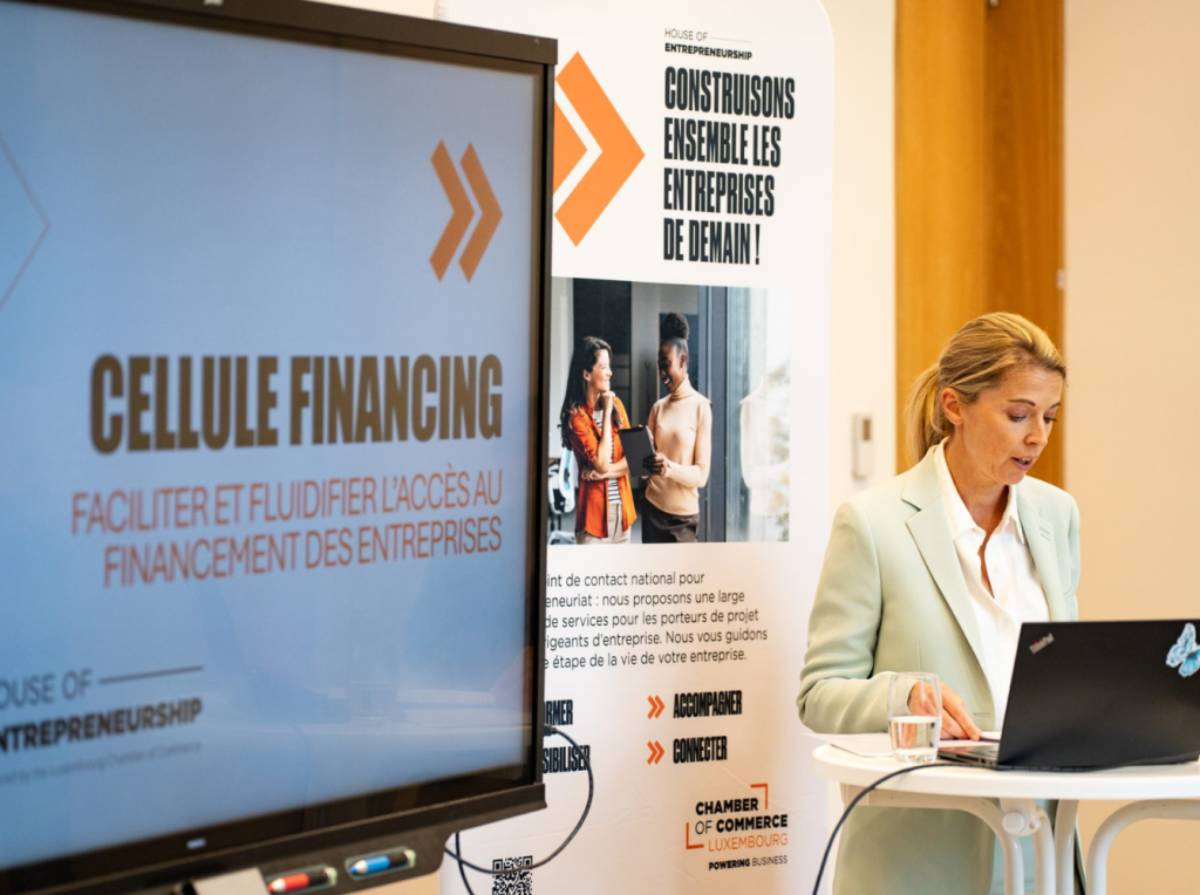
Luxembourg is intensifying efforts to boost innovation, entrepreneurship, and business growth by encouraging companies to take greater advantage of available public funding programmes. The initiative highlights a persistent gap between available financial support and actual utilization, signalling a strategic opportunity for startups, SMEs, and established firms seeking to accelerate digital transformation, research, and international expansion.
Luxembourg's innovation ecosystem is drawing attention to a broad range of grants and public support mechanisms designed to strengthen business competitiveness. While multiple funding programmes exist across sectors including technology, sustainability, research, and workforce development, many eligible companies reportedly fail to apply for available support.
The grants are intended to help businesses reduce investment risks, accelerate innovation projects, and improve access to capital during critical growth stages. Stakeholders across the public and private sectors are encouraging founders and executives to better understand funding opportunities that can support product development, digital adoption, export growth, and talent acquisition.
The renewed focus comes as economic uncertainty and increasing global competition place additional pressure on companies to innovate efficiently while maintaining financial discipline. The development aligns with a broader trend across global markets where governments are deploying targeted funding programmes to stimulate innovation, improve productivity, and strengthen economic resilience. Public grants have become an increasingly important policy tool for supporting strategic industries, particularly in technology, clean energy, healthcare, and advanced manufacturing.
Across Europe, policymakers have recognized that startups and SMEs often face significant barriers when seeking growth capital. While venture capital and private investment remain important, public funding programmes frequently provide essential early-stage support that helps businesses validate technologies, expand operations, and enter new markets.
Luxembourg has spent years building a reputation as a business-friendly innovation hub. The country has invested heavily in startup infrastructure, research institutions, digital transformation initiatives, and entrepreneurship programmes. However, awareness and accessibility remain challenges, with many companies either unaware of available grants or uncertain about application processes.
The renewed emphasis on grant utilization reflects a growing recognition that maximizing existing support mechanisms can significantly enhance economic competitiveness without requiring entirely new funding frameworks.
Economic development specialists frequently argue that public funding programmes deliver the greatest impact when businesses actively incorporate them into long-term growth strategies rather than treating them as occasional opportunities. Experts note that grants can reduce financial risk while enabling companies to pursue ambitious innovation initiatives that might otherwise be delayed.
Startup advisors and ecosystem leaders often emphasize that many founders underestimate the breadth of support available through national and European funding mechanisms. In many cases, eligible businesses fail to apply simply because they lack awareness, expertise, or administrative resources.
Industry analysts also point out that effective grant programmes can serve as catalysts for private-sector investment. Public funding often helps de-risk projects, making them more attractive to venture capital firms, institutional investors, and strategic partners.
From a policy perspective, increasing grant uptake is viewed as a way to maximize returns on public investment while strengthening innovation ecosystems. Experts suggest that greater engagement from businesses can accelerate commercialization, job creation, and technology adoption across the broader economy.
For business leaders, the message is clear: untapped funding opportunities could represent a significant competitive advantage. Companies that successfully secure grants may accelerate research initiatives, invest in digital transformation, strengthen hiring efforts, and expand into international markets with reduced financial exposure.
Investors may view increased grant utilization as a positive indicator of ecosystem maturity. Public funding can strengthen startup balance sheets, improve project viability, and support faster commercialization of innovative products and services.
For policymakers, the challenge extends beyond creating funding programmes to ensuring awareness, accessibility, and efficient deployment. Simplified application processes and targeted outreach may become increasingly important priorities.
Consumers and broader economies could ultimately benefit from increased innovation activity, stronger business growth, and the creation of high-value employment opportunities supported by public-private collaboration.
Attention will now focus on whether Luxembourg can translate available funding resources into measurable increases in innovation output, startup growth, and economic competitiveness. Decision-makers will monitor application rates, business participation levels, and the long-term impact of grant-supported projects.
As governments worldwide compete to attract talent, investment, and innovation, the effective utilization of existing funding programmes may become just as important as creating new ones. For Luxembourg, maximizing grant adoption could prove a critical factor in sustaining its innovation momentum.
Source: Silicon Luxembourg
Date: June 24, 2026


