
Apple AI Pivot Reshapes Siri Strategy

Apple’s AI strategy reportedly gained urgency following internal leadership reviews that highlighted the transformative potential of generative artificial intelligence.

June 8, 2026
|

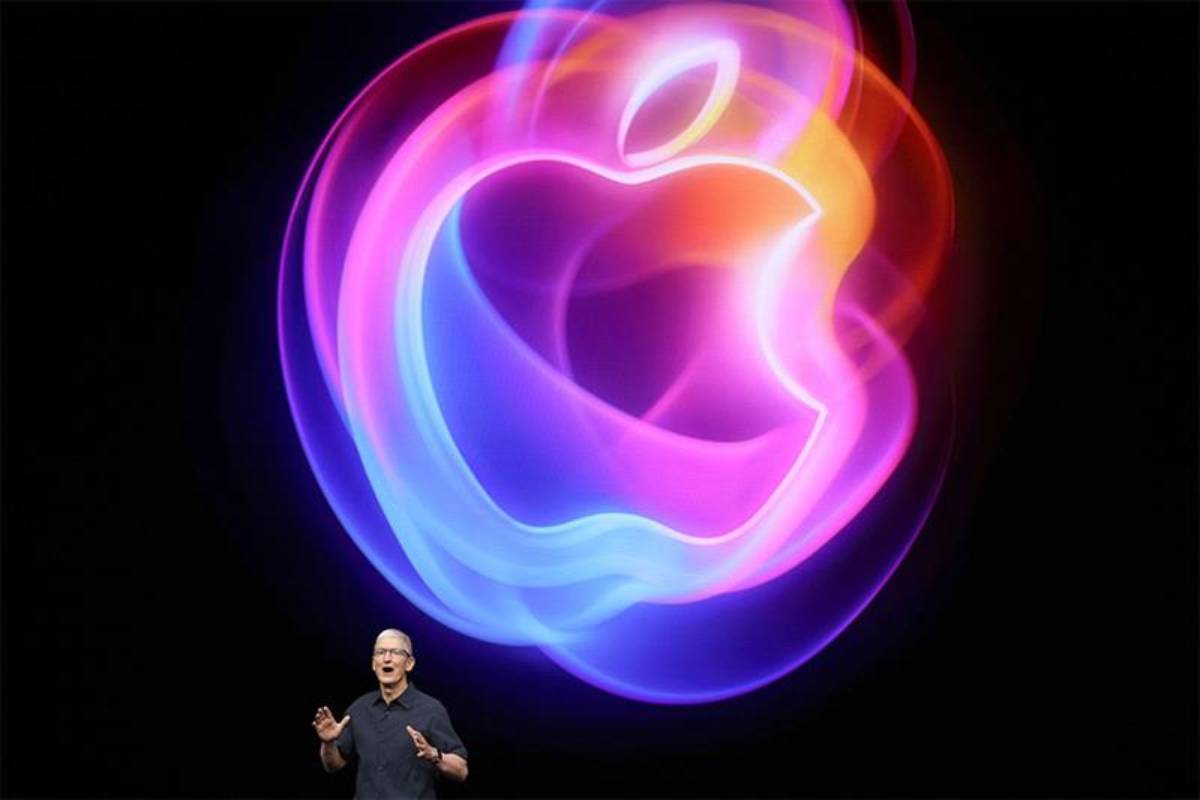
A pivotal chapter in Apple’s artificial intelligence journey is unfolding as the technology giant seeks to reposition itself in the rapidly evolving AI race. Reports indicate that a series of high-level internal discussions helped catalyze a strategic shift toward generative AI, placing renewed focus on transforming Siri into a competitive AI-powered assistant. The move carries significant implications for global technology markets, enterprise software ecosystems, and investors monitoring the future of consumer AI platforms.

Apple’s AI strategy reportedly gained urgency following internal leadership reviews that highlighted the transformative potential of generative artificial intelligence. Executives increasingly recognized that emerging AI models were reshaping consumer expectations and creating new competitive pressures across the technology industry.

The company has since accelerated investments in AI infrastructure, software development, and talent acquisition. A major priority remains the modernization of Siri, whose capabilities have lagged behind competing conversational AI platforms introduced by rivals.

The renewed focus comes ahead of key product announcements and software updates expected to showcase Apple’s evolving AI roadmap. Industry observers are closely watching whether the company can leverage its extensive hardware ecosystem, privacy-centric architecture, and developer network to establish a differentiated position in the next phase of AI adoption.

The development reflects a broader transformation occurring across global technology markets. Since the emergence of large language models and generative AI platforms, major technology firms have redirected billions of dollars toward AI infrastructure, cloud computing capacity, and model development.

While Apple has historically excelled at refining technologies before mainstream adoption, critics have argued that the company underestimated the speed at which generative AI would reshape user expectations. Competitors have rapidly integrated AI assistants into search engines, productivity software, cloud services, and consumer devices.

Apple’s virtual assistant Siri, launched in 2011, was once viewed as a pioneering innovation. However, advances in conversational AI exposed limitations in its architecture, leading to concerns that the company was losing momentum in one of the industry's most consequential technological transitions.

The pressure intensified as AI became central to corporate strategy discussions, investor expectations, and market valuations. Technology leaders increasingly view AI not simply as a product feature but as a foundational platform that could redefine computing over the next decade.

Against this backdrop, Apple’s renewed commitment to AI represents both a defensive necessity and a potential growth opportunity. Industry analysts view Apple’s AI transition as one of the most closely watched strategic shifts in the technology sector. Many believe the company possesses unique advantages, including deep integration across hardware, software, and services, that could enable differentiated AI experiences.

Market observers note that Apple’s emphasis on privacy and on-device processing could appeal to enterprise customers and consumers concerned about data security. At the same time, experts caution that catching up in generative AI requires substantial investments in computing resources, model training, and ecosystem development.

Technology strategists argue that the future success of Siri will depend not only on model quality but also on seamless integration across iPhones, Macs, iPads, wearables, and emerging device categories. Analysts also suggest that partnerships with external AI providers could play an important role in accelerating deployment timelines.

From a broader market perspective, investors are increasingly evaluating technology companies based on their AI execution capabilities. As a result, Apple’s ability to demonstrate meaningful AI innovation may influence future growth projections and competitive positioning.

For business leaders, Apple’s AI push signals intensifying competition across the global technology landscape. Enterprises developing applications for Apple platforms may gain access to new AI capabilities that enhance productivity, customer engagement, and workflow automation.

Investors will likely assess whether AI-enhanced services can drive hardware upgrades, subscription growth, and ecosystem expansion. Success could strengthen Apple’s long-term revenue diversification strategy while reinforcing customer loyalty.

The development also raises broader policy considerations surrounding AI governance, privacy, and transparency. Regulators worldwide continue to evaluate how advanced AI systems should be deployed responsibly, particularly when integrated into widely used consumer devices.

For competitors, Apple’s acceleration increases pressure to maintain innovation momentum while differentiating their own AI offerings in an increasingly crowded marketplace. The coming months could prove decisive for Apple’s AI ambitions. Industry stakeholders will closely monitor product announcements, Siri enhancements, developer tools, and evidence of real-world AI adoption across Apple’s ecosystem.

Key uncertainties remain, including the pace of technological advancement, competitive responses, regulatory developments, and consumer reception. However, one conclusion is increasingly clear: artificial intelligence has become a strategic imperative for Apple, and the company’s next moves may shape the future direction of consumer computing.

Source: Bloomberg
Date:
June 7, 2026

  • Featured tools
Copy Ai
Free

Copy AI is one of the most popular AI writing tools designed to help professionals create high-quality content quickly. Whether you are a product manager drafting feature descriptions or a marketer creating ad copy, Copy AI can save hours of work while maintaining creativity and tone.

#
Copywriting
Learn more
Surfer AI
Free

Surfer AI is an AI-powered content creation assistant built into the Surfer SEO platform, designed to generate SEO-optimized articles from prompts, leveraging data from search results to inform tone, structure, and relevance.

#
SEO
Learn more

Learn more about future of AI

Join 80,000+ Ai enthusiast getting weekly updates on exciting AI tools.
Thank you! Your submission has been received!
Oops! Something went wrong while submitting the form.

Apple AI Pivot Reshapes Siri Strategy

June 8, 2026

Apple’s AI strategy reportedly gained urgency following internal leadership reviews that highlighted the transformative potential of generative artificial intelligence.

A pivotal chapter in Apple’s artificial intelligence journey is unfolding as the technology giant seeks to reposition itself in the rapidly evolving AI race. Reports indicate that a series of high-level internal discussions helped catalyze a strategic shift toward generative AI, placing renewed focus on transforming Siri into a competitive AI-powered assistant. The move carries significant implications for global technology markets, enterprise software ecosystems, and investors monitoring the future of consumer AI platforms.

Apple’s AI strategy reportedly gained urgency following internal leadership reviews that highlighted the transformative potential of generative artificial intelligence. Executives increasingly recognized that emerging AI models were reshaping consumer expectations and creating new competitive pressures across the technology industry.

The company has since accelerated investments in AI infrastructure, software development, and talent acquisition. A major priority remains the modernization of Siri, whose capabilities have lagged behind competing conversational AI platforms introduced by rivals.

The renewed focus comes ahead of key product announcements and software updates expected to showcase Apple’s evolving AI roadmap. Industry observers are closely watching whether the company can leverage its extensive hardware ecosystem, privacy-centric architecture, and developer network to establish a differentiated position in the next phase of AI adoption.

The development reflects a broader transformation occurring across global technology markets. Since the emergence of large language models and generative AI platforms, major technology firms have redirected billions of dollars toward AI infrastructure, cloud computing capacity, and model development.

While Apple has historically excelled at refining technologies before mainstream adoption, critics have argued that the company underestimated the speed at which generative AI would reshape user expectations. Competitors have rapidly integrated AI assistants into search engines, productivity software, cloud services, and consumer devices.

Apple’s virtual assistant Siri, launched in 2011, was once viewed as a pioneering innovation. However, advances in conversational AI exposed limitations in its architecture, leading to concerns that the company was losing momentum in one of the industry's most consequential technological transitions.

The pressure intensified as AI became central to corporate strategy discussions, investor expectations, and market valuations. Technology leaders increasingly view AI not simply as a product feature but as a foundational platform that could redefine computing over the next decade.

Against this backdrop, Apple’s renewed commitment to AI represents both a defensive necessity and a potential growth opportunity. Industry analysts view Apple’s AI transition as one of the most closely watched strategic shifts in the technology sector. Many believe the company possesses unique advantages, including deep integration across hardware, software, and services, that could enable differentiated AI experiences.

Market observers note that Apple’s emphasis on privacy and on-device processing could appeal to enterprise customers and consumers concerned about data security. At the same time, experts caution that catching up in generative AI requires substantial investments in computing resources, model training, and ecosystem development.

Technology strategists argue that the future success of Siri will depend not only on model quality but also on seamless integration across iPhones, Macs, iPads, wearables, and emerging device categories. Analysts also suggest that partnerships with external AI providers could play an important role in accelerating deployment timelines.

From a broader market perspective, investors are increasingly evaluating technology companies based on their AI execution capabilities. As a result, Apple’s ability to demonstrate meaningful AI innovation may influence future growth projections and competitive positioning.

For business leaders, Apple’s AI push signals intensifying competition across the global technology landscape. Enterprises developing applications for Apple platforms may gain access to new AI capabilities that enhance productivity, customer engagement, and workflow automation.

Investors will likely assess whether AI-enhanced services can drive hardware upgrades, subscription growth, and ecosystem expansion. Success could strengthen Apple’s long-term revenue diversification strategy while reinforcing customer loyalty.

The development also raises broader policy considerations surrounding AI governance, privacy, and transparency. Regulators worldwide continue to evaluate how advanced AI systems should be deployed responsibly, particularly when integrated into widely used consumer devices.

For competitors, Apple’s acceleration increases pressure to maintain innovation momentum while differentiating their own AI offerings in an increasingly crowded marketplace. The coming months could prove decisive for Apple’s AI ambitions. Industry stakeholders will closely monitor product announcements, Siri enhancements, developer tools, and evidence of real-world AI adoption across Apple’s ecosystem.

Key uncertainties remain, including the pace of technological advancement, competitive responses, regulatory developments, and consumer reception. However, one conclusion is increasingly clear: artificial intelligence has become a strategic imperative for Apple, and the company’s next moves may shape the future direction of consumer computing.

Source: Bloomberg
Date:
June 7, 2026

Promote Your Tool

Copy Embed Code

Similar Blogs

June 16, 2026
|

Best Revenue & Sales Enablement Consulting Services in USA

Revenue and sales enablement consulting firms play a crucial role in helping organizations build scalable growth engines. Whether the goal is improving sales execution, implementing revenue operations, optimizing technology platforms.
Read more
June 16, 2026
|

Best Sales Consulting Services in USA

The best sales consulting firms do more than improve sales performance they help organizations build scalable revenue engines that support long-term growth.
Read more
June 16, 2026
|

Best CRM Consulting Services in USA

A successful CRM implementation requires more than technology it requires the right strategy, processes, and expertise. The best CRM consulting firms help organizations align customer relationship management with broader business objectives.
Read more
June 16, 2026
|

Best Pricing Strategy Consulting Services in USA

Pricing strategy remains one of the highest-impact growth levers available to modern businesses. Whether you're launching a new product, optimizing an existing pricing structure.
Read more
June 16, 2026
|

Best GTM Consulting Services in USA

Go-to-market execution has become one of the most important drivers of business success. Organizations that effectively align product strategy, marketing, sales, customer success.
Read more
June 16, 2026
|

Best Revenue Management Consulting Services in USA

Revenue management has become a critical discipline for organizations seeking sustainable growth in increasingly competitive markets. Companies that effectively align pricing, sales, marketing, operations.
Read more