
Apple Expands Consumer AI Strategy Rollout

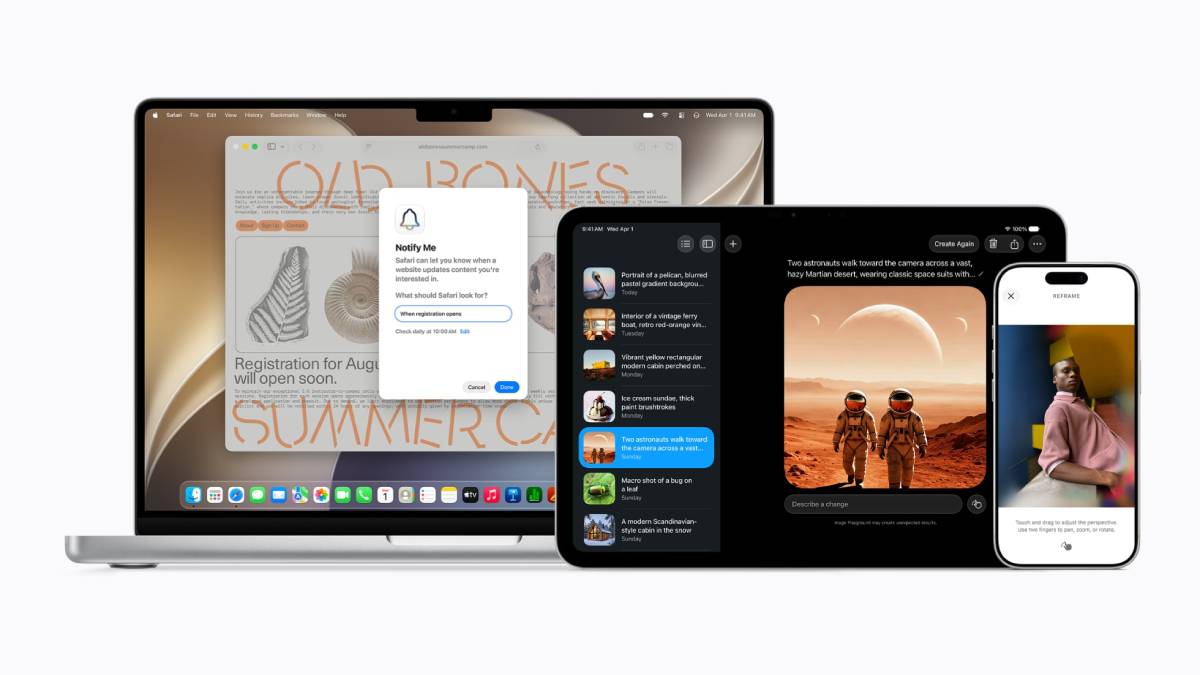
Apple announced a broad range of new Apple Intelligence features designed to enhance productivity, communication, creativity, and device interaction across iPhone, iPad, Mac, and other platforms.

June 9, 2026
|
Image Source: Apple Newsroom

A major development unfolded as Apple unveiled a significant expansion of Apple Intelligence, integrating advanced artificial intelligence capabilities across its ecosystem of devices and services. The initiative signals the company’s determination to make AI a core component of everyday digital experiences while reinforcing its competitive position in the rapidly evolving global technology landscape.

Apple announced a broad range of new Apple Intelligence features designed to enhance productivity, communication, creativity, and device interaction across iPhone, iPad, Mac, and other platforms. The company emphasized deeper AI integration within core applications and operating systems, aiming to make advanced intelligence accessible through everyday user experiences.

Key stakeholders include consumers, enterprise users, developers, investors, and businesses operating within Apple’s ecosystem. The rollout reflects Apple’s strategy of embedding AI directly into products rather than positioning it as a separate service. The announcement also comes amid intensifying competition among global technology firms investing heavily in generative AI, digital assistants, and intelligent software platforms.

The announcement arrives during a period of unprecedented AI investment and innovation across the technology sector. Artificial intelligence has become a defining strategic priority for leading global firms, influencing everything from software development and cloud infrastructure to consumer electronics and enterprise services.

Apple’s approach differs from many competitors by focusing on integrating AI into existing workflows and user experiences rather than emphasizing standalone chatbot-style products. The company is leveraging its vast installed device base, hardware-software integration, and privacy-focused brand positioning to differentiate its AI strategy.

The development aligns with a broader trend across global markets where AI is increasingly becoming an embedded layer within operating systems and digital ecosystems. Industry leaders are moving beyond experimental deployments and toward practical applications capable of improving productivity, personalization, and user engagement. This shift is accelerating competition among technology giants seeking long-term leadership in the AI economy.

Technology analysts view Apple’s latest Apple Intelligence expansion as an effort to strengthen the company’s role in the next phase of AI adoption. Experts note that success in artificial intelligence increasingly depends not only on model performance but also on the ability to integrate capabilities seamlessly into daily workflows.

Industry observers suggest Apple’s ecosystem advantage could prove significant. By controlling hardware, software, and services, the company may be better positioned to deliver consistent AI experiences across multiple devices. Analysts also highlight Apple’s continued emphasis on privacy and on-device processing, areas that remain important differentiators amid growing concerns over data governance.

Market commentators argue that Apple’s strategy reflects a broader evolution in AI deployment, where user experience and practical utility are becoming just as important as technological sophistication. The long-term impact will depend on consumer adoption, developer engagement, and the effectiveness of feature execution.

For businesses, Apple’s AI rollout reinforces the growing expectation that intelligent features will become standard across consumer and enterprise technology platforms. Developers and software providers may need to adapt products and services to align with new AI-enabled user experiences.

Investors are likely to evaluate the initiative as a critical component of Apple’s long-term growth strategy. Successful adoption could strengthen customer loyalty, drive ecosystem engagement, and create additional revenue opportunities across software and services.

From a policy standpoint, the expansion contributes to ongoing discussions regarding AI governance, privacy protections, transparency, and responsible deployment. Regulators worldwide will continue monitoring how major technology companies implement AI at scale while safeguarding consumer interests.

The next phase will focus on real-world adoption and ecosystem integration as Apple Intelligence features reach a broader audience. Industry leaders will monitor user engagement, developer participation, and competitive responses from rival technology firms. The central question is whether Apple can transform AI from a specialized capability into an invisible but essential component of everyday digital life while maintaining its reputation for privacy and usability.

Source: Apple Newsroom
Date:
9 June 2026

  • Featured tools
Kreateable AI
Free

Kreateable AI is a white-label, AI-driven design platform that enables logo generation, social media posts, ads, and more for businesses, agencies, and service providers.

#
Logo Generator
Learn more
Murf Ai
Free

Murf AI Review – Advanced AI Voice Generator for Realistic Voiceovers

#
Text to Speech
Learn more

Learn more about future of AI

Join 80,000+ Ai enthusiast getting weekly updates on exciting AI tools.
Thank you! Your submission has been received!
Oops! Something went wrong while submitting the form.

Apple Expands Consumer AI Strategy Rollout

June 9, 2026

Apple announced a broad range of new Apple Intelligence features designed to enhance productivity, communication, creativity, and device interaction across iPhone, iPad, Mac, and other platforms.

Image Source: Apple Newsroom

A major development unfolded as Apple unveiled a significant expansion of Apple Intelligence, integrating advanced artificial intelligence capabilities across its ecosystem of devices and services. The initiative signals the company’s determination to make AI a core component of everyday digital experiences while reinforcing its competitive position in the rapidly evolving global technology landscape.

Apple announced a broad range of new Apple Intelligence features designed to enhance productivity, communication, creativity, and device interaction across iPhone, iPad, Mac, and other platforms. The company emphasized deeper AI integration within core applications and operating systems, aiming to make advanced intelligence accessible through everyday user experiences.

Key stakeholders include consumers, enterprise users, developers, investors, and businesses operating within Apple’s ecosystem. The rollout reflects Apple’s strategy of embedding AI directly into products rather than positioning it as a separate service. The announcement also comes amid intensifying competition among global technology firms investing heavily in generative AI, digital assistants, and intelligent software platforms.

The announcement arrives during a period of unprecedented AI investment and innovation across the technology sector. Artificial intelligence has become a defining strategic priority for leading global firms, influencing everything from software development and cloud infrastructure to consumer electronics and enterprise services.

Apple’s approach differs from many competitors by focusing on integrating AI into existing workflows and user experiences rather than emphasizing standalone chatbot-style products. The company is leveraging its vast installed device base, hardware-software integration, and privacy-focused brand positioning to differentiate its AI strategy.

The development aligns with a broader trend across global markets where AI is increasingly becoming an embedded layer within operating systems and digital ecosystems. Industry leaders are moving beyond experimental deployments and toward practical applications capable of improving productivity, personalization, and user engagement. This shift is accelerating competition among technology giants seeking long-term leadership in the AI economy.

Technology analysts view Apple’s latest Apple Intelligence expansion as an effort to strengthen the company’s role in the next phase of AI adoption. Experts note that success in artificial intelligence increasingly depends not only on model performance but also on the ability to integrate capabilities seamlessly into daily workflows.

Industry observers suggest Apple’s ecosystem advantage could prove significant. By controlling hardware, software, and services, the company may be better positioned to deliver consistent AI experiences across multiple devices. Analysts also highlight Apple’s continued emphasis on privacy and on-device processing, areas that remain important differentiators amid growing concerns over data governance.

Market commentators argue that Apple’s strategy reflects a broader evolution in AI deployment, where user experience and practical utility are becoming just as important as technological sophistication. The long-term impact will depend on consumer adoption, developer engagement, and the effectiveness of feature execution.

For businesses, Apple’s AI rollout reinforces the growing expectation that intelligent features will become standard across consumer and enterprise technology platforms. Developers and software providers may need to adapt products and services to align with new AI-enabled user experiences.

Investors are likely to evaluate the initiative as a critical component of Apple’s long-term growth strategy. Successful adoption could strengthen customer loyalty, drive ecosystem engagement, and create additional revenue opportunities across software and services.

From a policy standpoint, the expansion contributes to ongoing discussions regarding AI governance, privacy protections, transparency, and responsible deployment. Regulators worldwide will continue monitoring how major technology companies implement AI at scale while safeguarding consumer interests.

The next phase will focus on real-world adoption and ecosystem integration as Apple Intelligence features reach a broader audience. Industry leaders will monitor user engagement, developer participation, and competitive responses from rival technology firms. The central question is whether Apple can transform AI from a specialized capability into an invisible but essential component of everyday digital life while maintaining its reputation for privacy and usability.

Source: Apple Newsroom
Date:
9 June 2026

Promote Your Tool

Copy Embed Code

Similar Blogs

June 16, 2026
|

Best Revenue & Sales Enablement Consulting Services in USA

Revenue and sales enablement consulting firms play a crucial role in helping organizations build scalable growth engines. Whether the goal is improving sales execution, implementing revenue operations, optimizing technology platforms.
Read more
June 16, 2026
|

Best Sales Consulting Services in USA

The best sales consulting firms do more than improve sales performance they help organizations build scalable revenue engines that support long-term growth.
Read more
June 16, 2026
|

Best CRM Consulting Services in USA

A successful CRM implementation requires more than technology it requires the right strategy, processes, and expertise. The best CRM consulting firms help organizations align customer relationship management with broader business objectives.
Read more
June 16, 2026
|

Best Pricing Strategy Consulting Services in USA

Pricing strategy remains one of the highest-impact growth levers available to modern businesses. Whether you're launching a new product, optimizing an existing pricing structure.
Read more
June 16, 2026
|

Best GTM Consulting Services in USA

Go-to-market execution has become one of the most important drivers of business success. Organizations that effectively align product strategy, marketing, sales, customer success.
Read more
June 16, 2026
|

Best Revenue Management Consulting Services in USA

Revenue management has become a critical discipline for organizations seeking sustainable growth in increasingly competitive markets. Companies that effectively align pricing, sales, marketing, operations.
Read more