
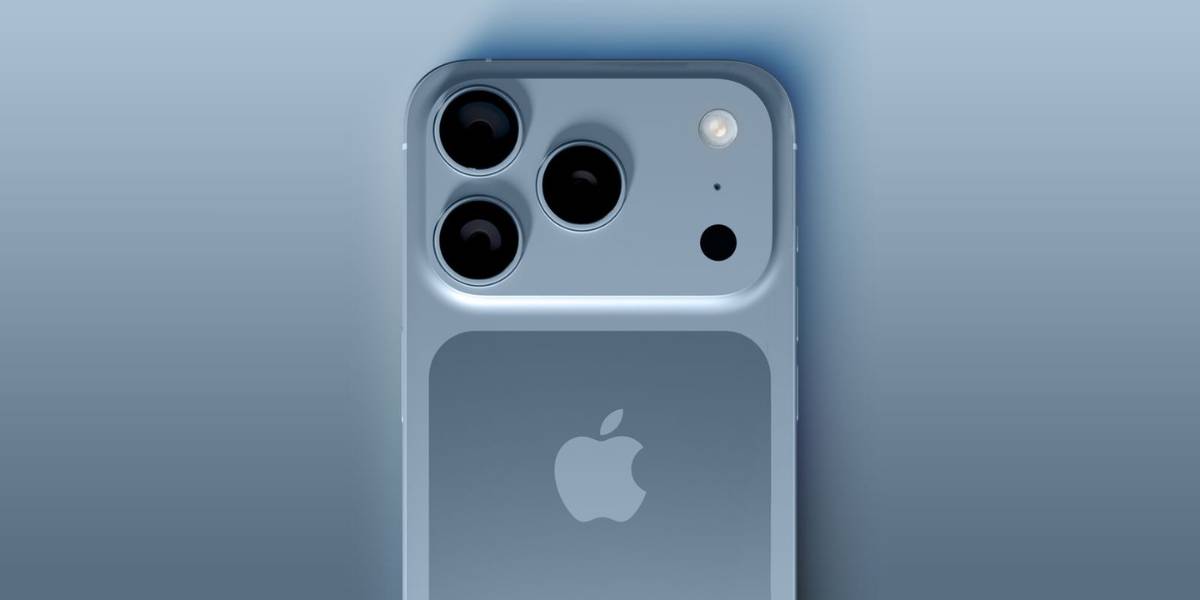
Apple Explores AI Pin with Cameras, Microphones, Next-Gen Wearable

Apple aims to leverage its ecosystem iOS, WatchOS, and AirPods for seamless connectivity, creating a cohesive experience across devices. Competitors in AI wearables, including Google, Meta, and emerging startups.

January 23, 2026
|

A major development unfolded today as Apple reportedly develops a next-generation AI pin featuring cameras, microphones, and a speaker. The move positions Apple at the forefront of wearable AI innovation, reflecting intensifying competition in personal AI hardware and potentially reshaping consumer expectations for seamless, on-the-go AI experiences worldwide.

The AI pin is expected to integrate AI-powered voice assistance, contextual notifications, and multimedia capabilities through embedded cameras and speakers. Reports indicate that prototypes are currently in testing, with a potential launch timeline spanning 18–24 months.

Apple aims to leverage its ecosystem iOS, WatchOS, and AirPods for seamless connectivity, creating a cohesive experience across devices. Competitors in AI wearables, including Google, Meta, and emerging startups, are also accelerating development in response to Apple’s anticipated entry.

The device signals a strategic emphasis on compact, wearable AI hardware, reflecting Apple’s broader ambition to embed intelligent technologies into daily life while maintaining design sophistication and user privacy.

This development aligns with a global trend toward miniaturized AI wearables that provide real-time insights and interaction. Consumer demand for hands-free, intelligent devices has grown alongside advancements in edge AI, voice recognition, and sensor technology.

Historically, Apple has leveraged its ecosystem to dominate consumer hardware markets, from the iPhone to the Apple Watch. Integrating AI into a compact pin represents a natural evolution, enabling always-on intelligence in a discreet form factor.

Geopolitically and economically, wearable AI technology has become a competitive frontier, with governments and investors closely monitoring innovation, supply chains, and intellectual property in AI-enabled devices. The AI pin could also set new benchmarks for privacy, accessibility, and consumer adoption in wearable tech, influencing global market dynamics and shaping the roadmap for competitors and regulators alike.

Industry analysts view Apple’s AI pin as a strategic leap in consumer AI hardware. Experts suggest that success will lhinge on integrating sophisticated AI capabilities while ensuring battery efficiency, data security, and seamless device interoperability.

Market observers note that Apple’s ecosystem integration could create significant differentiation, allowing the pin to serve as a control hub for iPhones, Apple Watches, and AirPods, potentially boosting engagement across services. Analysts also highlight that competition is intensifying, with startups and established players rushing to introduce AI wearables capable of delivering contextual intelligence in real time.

Regulatory scrutiny around privacy, data collection, and AI ethics is expected to increase, influencing product features and launch strategies. Corporate strategists suggest that Apple’s entry could trigger accelerated innovation cycles and reshape global expectations for wearable AI devices.

For global executives, Apple’s AI pin underscores the growing importance of wearable AI in consumer and enterprise markets. Companies may need to reassess product portfolios, R&D priorities, and ecosystem strategies to maintain competitiveness.

Investors could view this as a signal of increased monetization opportunities through hardware-software integration and subscription services. Consumers may increasingly expect discreet, AI-enabled experiences that respect privacy while providing real-time utility.

Regulators may impose stricter standards for AI wearables, especially regarding camera and microphone use, data governance, and cross-border compliance. Analysts warn that early movers who balance innovation with privacy protections could capture substantial market share, while laggards risk losing relevance in the fast-evolving AI wearable sector.

Decision-makers should monitor Apple’s testing progress, ecosystem integration, and privacy measures as the AI pin develops toward commercialization. Competitor responses, regulatory updates, and consumer adoption patterns will shape the market landscape. Over the next 18–36 months, wearable AI may emerge as a critical differentiator in personal technology, influencing global hardware strategies and investment flows.

Source & Date

Source: Times of India
Date: January 2026

  • Featured tools
WellSaid Ai
Free

WellSaid AI is an advanced text-to-speech platform that transforms written text into lifelike, human-quality voiceovers.

#
Text to Speech
Learn more
Wonder AI
Free

Wonder AI is a versatile AI-powered creative platform that generates text, images, and audio with minimal input, designed for fast storytelling, visual creation, and audio content generation

#
Art Generator
Learn more

Learn more about future of AI

Join 80,000+ Ai enthusiast getting weekly updates on exciting AI tools.
Thank you! Your submission has been received!
Oops! Something went wrong while submitting the form.

Apple Explores AI Pin with Cameras, Microphones, Next-Gen Wearable

January 23, 2026

Apple aims to leverage its ecosystem iOS, WatchOS, and AirPods for seamless connectivity, creating a cohesive experience across devices. Competitors in AI wearables, including Google, Meta, and emerging startups.

A major development unfolded today as Apple reportedly develops a next-generation AI pin featuring cameras, microphones, and a speaker. The move positions Apple at the forefront of wearable AI innovation, reflecting intensifying competition in personal AI hardware and potentially reshaping consumer expectations for seamless, on-the-go AI experiences worldwide.

The AI pin is expected to integrate AI-powered voice assistance, contextual notifications, and multimedia capabilities through embedded cameras and speakers. Reports indicate that prototypes are currently in testing, with a potential launch timeline spanning 18–24 months.

Apple aims to leverage its ecosystem iOS, WatchOS, and AirPods for seamless connectivity, creating a cohesive experience across devices. Competitors in AI wearables, including Google, Meta, and emerging startups, are also accelerating development in response to Apple’s anticipated entry.

The device signals a strategic emphasis on compact, wearable AI hardware, reflecting Apple’s broader ambition to embed intelligent technologies into daily life while maintaining design sophistication and user privacy.

This development aligns with a global trend toward miniaturized AI wearables that provide real-time insights and interaction. Consumer demand for hands-free, intelligent devices has grown alongside advancements in edge AI, voice recognition, and sensor technology.

Historically, Apple has leveraged its ecosystem to dominate consumer hardware markets, from the iPhone to the Apple Watch. Integrating AI into a compact pin represents a natural evolution, enabling always-on intelligence in a discreet form factor.

Geopolitically and economically, wearable AI technology has become a competitive frontier, with governments and investors closely monitoring innovation, supply chains, and intellectual property in AI-enabled devices. The AI pin could also set new benchmarks for privacy, accessibility, and consumer adoption in wearable tech, influencing global market dynamics and shaping the roadmap for competitors and regulators alike.

Industry analysts view Apple’s AI pin as a strategic leap in consumer AI hardware. Experts suggest that success will lhinge on integrating sophisticated AI capabilities while ensuring battery efficiency, data security, and seamless device interoperability.

Market observers note that Apple’s ecosystem integration could create significant differentiation, allowing the pin to serve as a control hub for iPhones, Apple Watches, and AirPods, potentially boosting engagement across services. Analysts also highlight that competition is intensifying, with startups and established players rushing to introduce AI wearables capable of delivering contextual intelligence in real time.

Regulatory scrutiny around privacy, data collection, and AI ethics is expected to increase, influencing product features and launch strategies. Corporate strategists suggest that Apple’s entry could trigger accelerated innovation cycles and reshape global expectations for wearable AI devices.

For global executives, Apple’s AI pin underscores the growing importance of wearable AI in consumer and enterprise markets. Companies may need to reassess product portfolios, R&D priorities, and ecosystem strategies to maintain competitiveness.

Investors could view this as a signal of increased monetization opportunities through hardware-software integration and subscription services. Consumers may increasingly expect discreet, AI-enabled experiences that respect privacy while providing real-time utility.

Regulators may impose stricter standards for AI wearables, especially regarding camera and microphone use, data governance, and cross-border compliance. Analysts warn that early movers who balance innovation with privacy protections could capture substantial market share, while laggards risk losing relevance in the fast-evolving AI wearable sector.

Decision-makers should monitor Apple’s testing progress, ecosystem integration, and privacy measures as the AI pin develops toward commercialization. Competitor responses, regulatory updates, and consumer adoption patterns will shape the market landscape. Over the next 18–36 months, wearable AI may emerge as a critical differentiator in personal technology, influencing global hardware strategies and investment flows.

Source & Date

Source: Times of India
Date: January 2026

Promote Your Tool

Copy Embed Code

Similar Blogs

January 23, 2026
|

Intel Faces AI Data Center Supply Crunch, Shares Slide 13%

Intel reported that its current production capacity is insufficient to meet skyrocketing demand from hyperscale data centers deploying AI workloads. Short-term supply constraints have affected new orders.
Read more
January 23, 2026
|

Johansson & Blanchett Support Campaign Accusing AI Firms Theft

A major development unfolded today as Scarlett Johansson and Cate Blanchett publicly endorsed a campaign alleging that AI companies are misappropriating creative content. The move highlights rising tensions.
Read more
January 23, 2026
|

OpenAI Faces Strategic Uncertainty Amid Investor Leadership Concerns

Noble, a renowned tech investor, publicly questioned CEO Sam Altman’s strategic decisions, citing risks tied to rapid scaling, competitive pressures, and operational governance.
Read more
January 23, 2026
|

Infosys Identifies Financial Services as Primary Catalyst for AI Growth

The CEO emphasized partnerships with global banks, insurers, and fintech firms to co-develop AI solutions tailored to sector-specific challenges. Investments in AI platforms, cloud integration.
Read more
January 23, 2026
|

Fossil fuels are a crutch: How AI’s unlikely winner could be renewable energy

AI applications are streamlining energy production, storage, and distribution in solar, wind, and battery systems, improving predictive maintenance and grid management. Several AI startups.
Read more
January 23, 2026
|

Apple Explores AI Pin with Cameras, Microphones, Next-Gen Wearable

Apple aims to leverage its ecosystem iOS, WatchOS, and AirPods for seamless connectivity, creating a cohesive experience across devices. Competitors in AI wearables, including Google, Meta, and emerging startups.
Read more