



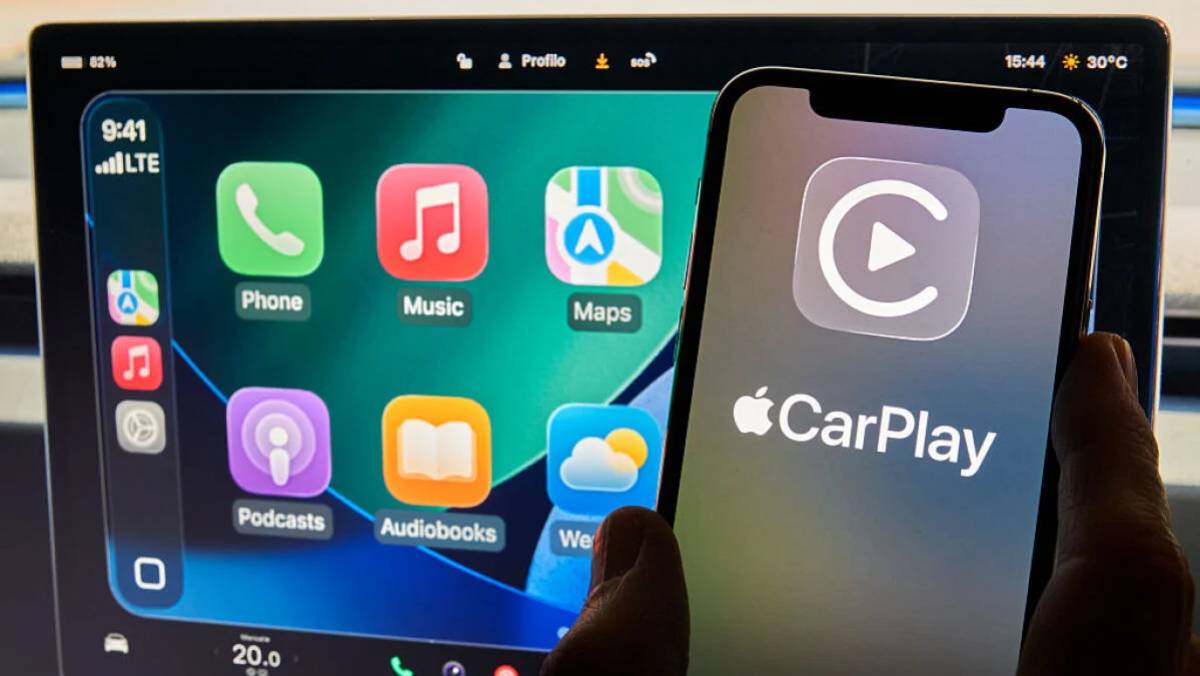
A significant shift in automotive technology is underway as Apple Inc. moves to integrate generative AI chatbots, including ChatGPT, into Apple CarPlay. The update signals a deeper convergence between consumer AI platforms and connected vehicles, reshaping digital experiences for automakers, developers, and millions of drivers worldwide.
Apple is expanding CarPlay’s capabilities to support third party AI chatbots, enabling drivers to interact with generative AI tools directly through vehicle infotainment systems. The feature builds on Apple’s broader artificial intelligence push and aims to enhance voice driven tasks such as messaging, navigation queries, content summaries, and contextual assistance.
The integration aligns with Apple’s evolving software strategy across devices and is expected to roll out through system updates tied to compatible vehicles and iOS ecosystems. Major automakers that support CarPlay stand to benefit from enhanced digital services without building proprietary AI systems from scratch.
The move intensifies competition in the in car operating system market, where tech firms are vying for dashboard dominance.
The development aligns with a broader global trend in which generative AI is becoming embedded in everyday consumer interfaces. From smartphones to enterprise software, conversational AI is redefining how users access information and complete tasks.
In the automotive sector, vehicles are increasingly viewed as connected computing platforms rather than purely mechanical products. Technology companies and car manufacturers are competing to control the digital layer of the driving experience, including navigation, entertainment, and productivity tools.
CarPlay already operates in millions of vehicles worldwide, giving Apple a significant installed base advantage. By enabling AI chatbot integration, the company strengthens its ecosystem lock in and deepens user reliance on its software services.
For executives and investors, the update reflects the rapid convergence of mobility, cloud computing, and artificial intelligence into a unified digital marketplace.
Industry analysts suggest that embedding generative AI into vehicle systems could redefine in car user experience standards. By allowing AI driven assistance during commutes, Apple enhances productivity and personalization while reinforcing its ecosystem strategy.
Automotive technology experts note that partnerships between technology firms and automakers reduce development timelines and spread research costs. Instead of each manufacturer building standalone AI systems, integration with established platforms accelerates deployment.
Market observers also point to data governance and privacy considerations. As conversational AI tools process queries and contextual information, regulators may scrutinize how data is collected, stored, and shared across platforms.
Corporate strategists view this integration as part of Apple’s broader effort to strengthen services revenue and expand its footprint beyond hardware into subscription driven and AI powered offerings.
For global executives, the integration signals expanding monetization opportunities in mobility technology. Automakers may leverage AI enhanced CarPlay features to attract tech savvy consumers while avoiding heavy internal AI investment.
Investors should monitor competitive responses from other in car operating systems and AI providers. The move may intensify rivalry in dashboard software markets and accelerate consolidation among smaller automotive tech suppliers.
From a policy standpoint, regulators will likely examine driver distraction risks, data privacy compliance, and cybersecurity resilience. Governments may develop clearer guidelines for AI enabled infotainment systems operating in safety sensitive environments.
Attention now turns to rollout timelines, automaker adoption rates, and user reception. Decision makers should watch for expanded AI partnerships, subscription models, and cross platform integrations.
As generative AI moves into vehicles, the digital cockpit is becoming a strategic battleground, redefining how technology companies compete in the global mobility ecosystem.
Source: Mashable
Date: February 2026


