
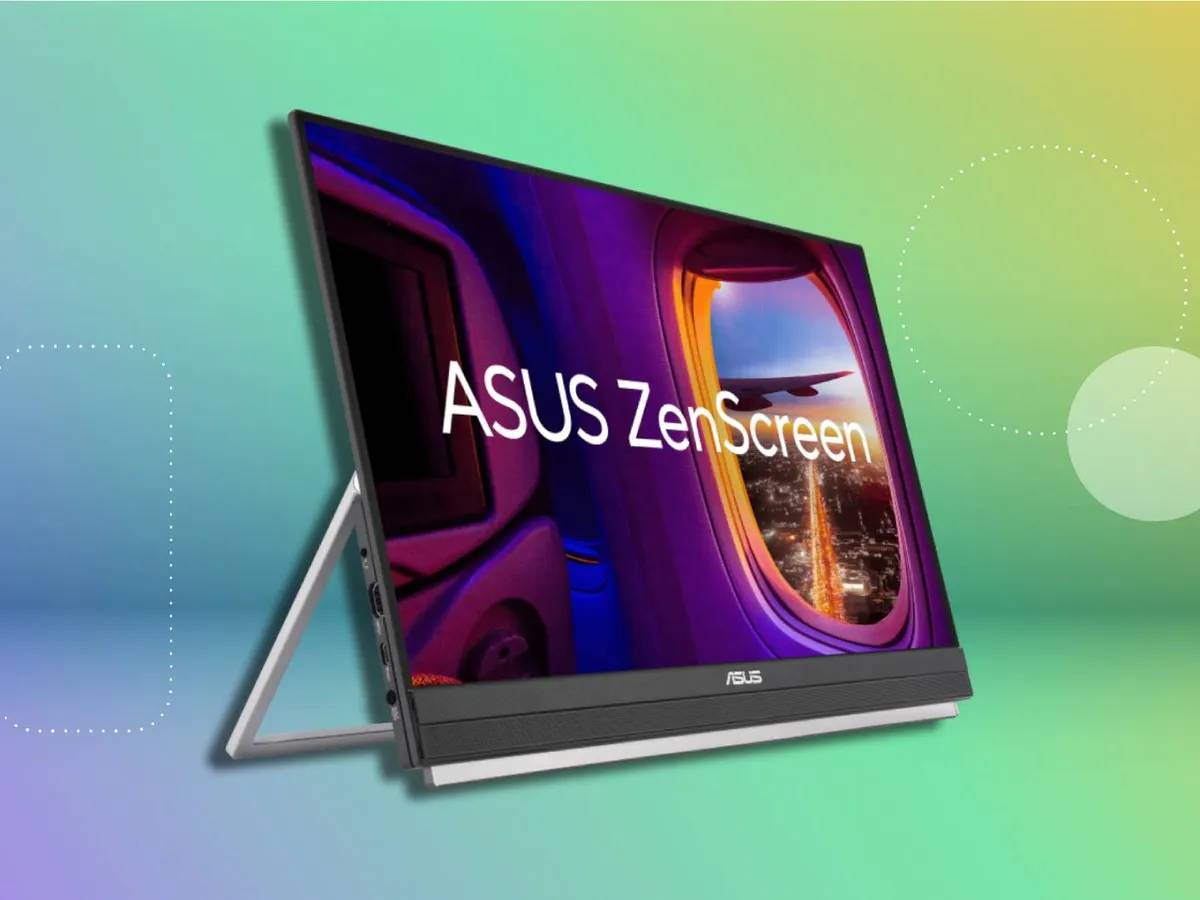
ASUS ZenScreen Price Drop Signals Hybrid Work Demand Surge

The price reduction on the ASUS ZenScreen Portable Monitor highlights increased competition in the portable display segment. The device is designed to extend laptop functionality through lightweight.

April 20, 2026
|
Image Source: Amazon/CNET

The consumer tech market is witnessing renewed interest in portable productivity hardware as the ASUS ZenScreen Portable Monitor reaches a record-low price point. The development reflects rising global demand for flexible, multi-screen work setups driven by hybrid work models, digital nomadism, and enterprise mobility strategies.

The price reduction on the ASUS ZenScreen Portable Monitor highlights increased competition in the portable display segment. The device is designed to extend laptop functionality through lightweight, plug-and-play secondary screen capabilities.

Key stakeholders include consumer electronics manufacturers, remote workforce professionals, and enterprise IT procurement teams. The discount trend suggests intensifying market competition among portable display vendors seeking broader adoption in hybrid work environments. Retail pricing adjustments are being influenced by supply chain stabilization and increased inventory availability across global electronics channels. The move also reflects broader consumer demand for flexible productivity tools outside traditional office setups.

The portable monitor segment has expanded significantly in response to structural shifts in global work culture. The rise of hybrid and remote work models has increased demand for secondary display solutions that enhance productivity without requiring fixed office infrastructure.

The development aligns with a broader trend across global markets where work environments are becoming increasingly decentralized. Professionals now require adaptable digital tools that support mobility, multi-tasking, and cross-device workflows.

Historically, secondary monitors were confined to office environments. However, advancements in lightweight display technology, USB-C connectivity, and energy-efficient panels have enabled portable alternatives like the ASUS ZenScreen Portable Monitor to gain traction.

The market is also influenced by enterprise IT modernization strategies, where companies are investing in flexible hardware ecosystems to support distributed workforces across geographies. Industry analysts suggest that the price decline of devices such as the ASUS ZenScreen Portable Monitor reflects both maturing supply chains and increasing competition among display manufacturers. Experts note that portable monitors are transitioning from niche accessories to mainstream productivity tools.

Analysts highlight that hybrid work models have permanently altered hardware purchasing behavior, with employees prioritizing mobility and flexibility over static workstation setups. This has led to sustained demand for lightweight, dual-screen configurations.

Market observers also point out that pricing pressure is likely to continue as more manufacturers enter the portable display category. However, differentiation will increasingly depend on resolution quality, connectivity options, and integration with enterprise software ecosystems rather than price alone.

For businesses, the affordability of the ASUS ZenScreen Portable Monitor strengthens the case for investing in portable productivity infrastructure for distributed teams. Enterprises may increasingly adopt dual-screen setups as standard equipment for remote and hybrid employees.

Investors may view the portable display segment as a growing subcategory within the broader PC accessories market, driven by long-term structural changes in work behavior rather than cyclical demand.

From a policy perspective, the expansion of remote work infrastructure raises considerations around digital workforce equity, taxation frameworks for remote employees, and cross-border employment regulations. Governments may also support digital infrastructure upgrades to enable competitive remote work ecosystems.

Looking ahead, demand for portable monitors like the ASUS ZenScreen Portable Monitor is expected to grow steadily alongside hybrid work adoption. Future competition will likely focus on improved resolution, wireless connectivity, and integration with AI-enhanced productivity tools. Decision-makers should monitor enterprise adoption trends and whether portable display setups become standard issue in corporate IT strategies. The key uncertainty remains long-term pricing stability as market saturation increases.

Source: CNET
Date: April 2026

  • Featured tools
Surfer AI
Free

Surfer AI is an AI-powered content creation assistant built into the Surfer SEO platform, designed to generate SEO-optimized articles from prompts, leveraging data from search results to inform tone, structure, and relevance.

#
SEO
Learn more
Hostinger Website Builder
Paid

Hostinger Website Builder is a drag-and-drop website creator bundled with hosting and AI-powered tools, designed for businesses, blogs and small shops with minimal technical effort.It makes launching a site fast and affordable, with templates, responsive design and built-in hosting all in one.

#
Productivity
#
Startup Tools
#
Ecommerce
Learn more

Learn more about future of AI

Join 80,000+ Ai enthusiast getting weekly updates on exciting AI tools.
Thank you! Your submission has been received!
Oops! Something went wrong while submitting the form.

ASUS ZenScreen Price Drop Signals Hybrid Work Demand Surge

April 20, 2026

The price reduction on the ASUS ZenScreen Portable Monitor highlights increased competition in the portable display segment. The device is designed to extend laptop functionality through lightweight.

Image Source: Amazon/CNET

The consumer tech market is witnessing renewed interest in portable productivity hardware as the ASUS ZenScreen Portable Monitor reaches a record-low price point. The development reflects rising global demand for flexible, multi-screen work setups driven by hybrid work models, digital nomadism, and enterprise mobility strategies.

The price reduction on the ASUS ZenScreen Portable Monitor highlights increased competition in the portable display segment. The device is designed to extend laptop functionality through lightweight, plug-and-play secondary screen capabilities.

Key stakeholders include consumer electronics manufacturers, remote workforce professionals, and enterprise IT procurement teams. The discount trend suggests intensifying market competition among portable display vendors seeking broader adoption in hybrid work environments. Retail pricing adjustments are being influenced by supply chain stabilization and increased inventory availability across global electronics channels. The move also reflects broader consumer demand for flexible productivity tools outside traditional office setups.

The portable monitor segment has expanded significantly in response to structural shifts in global work culture. The rise of hybrid and remote work models has increased demand for secondary display solutions that enhance productivity without requiring fixed office infrastructure.

The development aligns with a broader trend across global markets where work environments are becoming increasingly decentralized. Professionals now require adaptable digital tools that support mobility, multi-tasking, and cross-device workflows.

Historically, secondary monitors were confined to office environments. However, advancements in lightweight display technology, USB-C connectivity, and energy-efficient panels have enabled portable alternatives like the ASUS ZenScreen Portable Monitor to gain traction.

The market is also influenced by enterprise IT modernization strategies, where companies are investing in flexible hardware ecosystems to support distributed workforces across geographies. Industry analysts suggest that the price decline of devices such as the ASUS ZenScreen Portable Monitor reflects both maturing supply chains and increasing competition among display manufacturers. Experts note that portable monitors are transitioning from niche accessories to mainstream productivity tools.

Analysts highlight that hybrid work models have permanently altered hardware purchasing behavior, with employees prioritizing mobility and flexibility over static workstation setups. This has led to sustained demand for lightweight, dual-screen configurations.

Market observers also point out that pricing pressure is likely to continue as more manufacturers enter the portable display category. However, differentiation will increasingly depend on resolution quality, connectivity options, and integration with enterprise software ecosystems rather than price alone.

For businesses, the affordability of the ASUS ZenScreen Portable Monitor strengthens the case for investing in portable productivity infrastructure for distributed teams. Enterprises may increasingly adopt dual-screen setups as standard equipment for remote and hybrid employees.

Investors may view the portable display segment as a growing subcategory within the broader PC accessories market, driven by long-term structural changes in work behavior rather than cyclical demand.

From a policy perspective, the expansion of remote work infrastructure raises considerations around digital workforce equity, taxation frameworks for remote employees, and cross-border employment regulations. Governments may also support digital infrastructure upgrades to enable competitive remote work ecosystems.

Looking ahead, demand for portable monitors like the ASUS ZenScreen Portable Monitor is expected to grow steadily alongside hybrid work adoption. Future competition will likely focus on improved resolution, wireless connectivity, and integration with AI-enhanced productivity tools. Decision-makers should monitor enterprise adoption trends and whether portable display setups become standard issue in corporate IT strategies. The key uncertainty remains long-term pricing stability as market saturation increases.

Source: CNET
Date: April 2026

Promote Your Tool

Copy Embed Code

Similar Blogs

April 20, 2026
|

Digital Passport Push Accelerates Gov Service Digitization

Digital passport renewal systems are expanding across multiple jurisdictions, allowing users to update travel documents without physical visits to government offices.
Read more
April 20, 2026
|

Canva Expands Into Workplace AI Productivity Tools

Canva has introduced expanded AI-driven workplace features aimed at transforming its platform from a design tool into an integrated productivity ecosystem.
Read more
April 20, 2026
|

Worldcoin Expands Orb Biometrics Into Dating Ecosystem

Worldcoin, co-founded by OpenAI CEO Sam Altman, is advancing its biometric “Orb” identity verification system as a potential authentication layer for dating platforms such as Tinder-like ecosystems.
Read more
April 20, 2026
|

Nvidia Enters Laptop AI Chips in Computing Shift

Nvidia is reportedly advancing plans to release a new laptop-grade AI chip designed to bring advanced inference and AI processing directly into portable computing systems.
Read more
April 20, 2026
|

ASUS ZenScreen Price Drop Signals Hybrid Work Demand Surge

The price reduction on the ASUS ZenScreen Portable Monitor highlights increased competition in the portable display segment. The device is designed to extend laptop functionality through lightweight.
Read more
April 20, 2026
|

AI Shift Moves Computing to PC-Native Intelligence

AI applications are increasingly being designed to run directly on PCs, leveraging local processing power rather than relying solely on cloud infrastructure.
Read more