
Automotive Industry Faces Rising IP

The report highlights how intellectual property has evolved from a legal safeguard into a core business strategy for automotive companies.

June 30, 2026
|
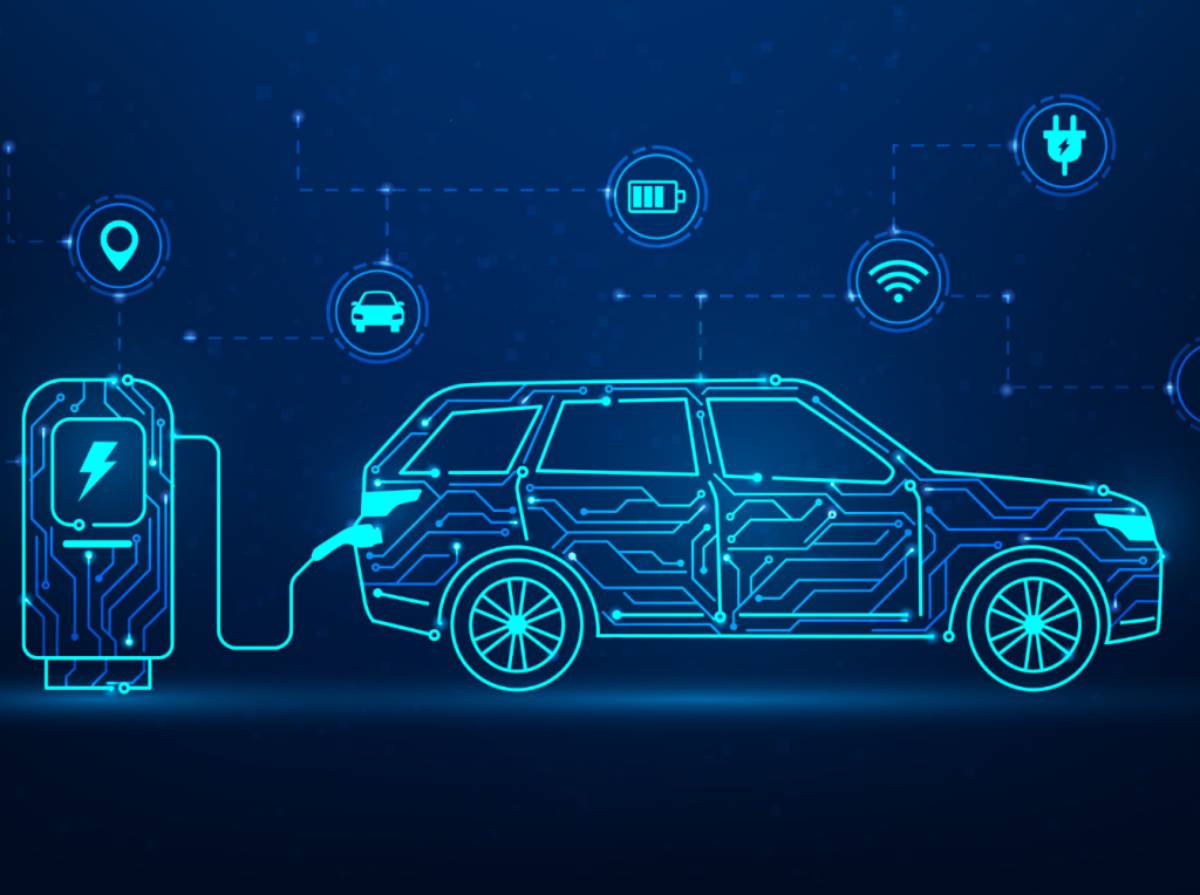
Image Source: Silicon Luxembourg

Intellectual property (IP) is emerging as a decisive competitive asset for the global automotive industry as vehicles become increasingly software-defined and technology-driven. The shift is forcing manufacturers, suppliers, and mobility innovators to strengthen patent strategies, safeguard innovation, and navigate a more complex regulatory and competitive landscape.

The report highlights how intellectual property has evolved from a legal safeguard into a core business strategy for automotive companies. As electric vehicles (EVs), autonomous driving systems, connected mobility platforms, and software become central to vehicle development, patents, trademarks, and proprietary technologies are growing in strategic importance.

Automakers are expanding investments in research and development while seeking stronger protection for innovations related to battery technologies, artificial intelligence, cybersecurity, digital services, and vehicle connectivity. The increasing number of cross-border collaborations, supplier partnerships, and technology licensing agreements has also made IP management more complex and commercially significant across the global automotive ecosystem.

The automotive sector is undergoing one of its largest technological transformations in decades. Traditional mechanical engineering is rapidly giving way to software-defined vehicles, advanced semiconductors, battery innovation, artificial intelligence, and connected mobility services.

This transformation has intensified global competition, particularly between established automotive manufacturers and emerging technology companies entering the mobility market. Intellectual property now serves not only as legal protection but also as a strategic asset that influences market valuation, licensing revenue, investment attractiveness, and international competitiveness.

Governments worldwide are simultaneously strengthening innovation policies to encourage domestic technology leadership while protecting critical industrial know-how. As global supply chains become increasingly interconnected, disputes over patents and technology ownership are expected to become more frequent, making robust IP strategies essential for both manufacturers and technology suppliers operating across multiple jurisdictions.

Industry experts argue that intellectual property has become one of the most valuable assets for automotive companies transitioning toward digital mobility. Analysts note that competitive advantage increasingly depends on ownership of software algorithms, battery chemistry, AI models, cybersecurity systems, and connectivity platforms rather than traditional manufacturing capabilities alone.

Legal specialists also emphasize that proactive IP management reduces litigation risks while creating new monetization opportunities through licensing agreements, strategic partnerships, and joint ventures. As collaborations between automakers and technology companies become more common, clearly defined ownership of innovations will play a critical role in maintaining commercial certainty.

Industry observers further suggest that companies integrating IP strategy into product development from the earliest design stages are likely to strengthen both innovation pipelines and long-term enterprise value.

For automotive manufacturers, intellectual property will become increasingly central to corporate strategy, influencing investment decisions, product development, mergers, and international expansion. Suppliers and technology startups may also find stronger patent portfolios critical for attracting investment and negotiating partnerships with global OEMs.

For investors, companies with differentiated and defensible technology assets are expected to command higher valuations as mobility becomes increasingly software-driven. From a policy perspective, governments may continue modernizing intellectual property frameworks to encourage innovation while ensuring fair competition. Policymakers will also need to balance technology protection with international collaboration as automotive supply chains become more digitally integrated.

As electric mobility, autonomous driving, and AI continue reshaping transportation, intellectual property will become even more influential in determining industry leadership. Executives should closely monitor evolving patent landscapes, regulatory developments, and cross-border technology partnerships. Organizations that successfully integrate innovation with comprehensive IP strategies will likely gain stronger competitive positions in the next generation of global automotive markets.

Source: Silicon Luxembourg
Date: June 30, 2026

  • Featured tools
Twistly AI
Paid

Twistly AI is a PowerPoint add-in that allows users to generate full slide decks, improve existing presentations, and convert various content types into polished slides directly within Microsoft PowerPoint.It streamlines presentation creation using AI-powered text analysis, image generation and content conversion.

#
Presentation
Learn more
Ai Fiesta
Paid

AI Fiesta is an all-in-one productivity platform that gives users access to multiple leading AI models through a single interface. It includes features like prompt enhancement, image generation, audio transcription and side-by-side model comparison.

#
Copywriting
#
Art Generator
Learn more

Learn more about future of AI

Join 80,000+ Ai enthusiast getting weekly updates on exciting AI tools.
Thank you! Your submission has been received!
Oops! Something went wrong while submitting the form.

Automotive Industry Faces Rising IP

June 30, 2026

The report highlights how intellectual property has evolved from a legal safeguard into a core business strategy for automotive companies.

Image Source: Silicon Luxembourg

Intellectual property (IP) is emerging as a decisive competitive asset for the global automotive industry as vehicles become increasingly software-defined and technology-driven. The shift is forcing manufacturers, suppliers, and mobility innovators to strengthen patent strategies, safeguard innovation, and navigate a more complex regulatory and competitive landscape.

The report highlights how intellectual property has evolved from a legal safeguard into a core business strategy for automotive companies. As electric vehicles (EVs), autonomous driving systems, connected mobility platforms, and software become central to vehicle development, patents, trademarks, and proprietary technologies are growing in strategic importance.

Automakers are expanding investments in research and development while seeking stronger protection for innovations related to battery technologies, artificial intelligence, cybersecurity, digital services, and vehicle connectivity. The increasing number of cross-border collaborations, supplier partnerships, and technology licensing agreements has also made IP management more complex and commercially significant across the global automotive ecosystem.

The automotive sector is undergoing one of its largest technological transformations in decades. Traditional mechanical engineering is rapidly giving way to software-defined vehicles, advanced semiconductors, battery innovation, artificial intelligence, and connected mobility services.

This transformation has intensified global competition, particularly between established automotive manufacturers and emerging technology companies entering the mobility market. Intellectual property now serves not only as legal protection but also as a strategic asset that influences market valuation, licensing revenue, investment attractiveness, and international competitiveness.

Governments worldwide are simultaneously strengthening innovation policies to encourage domestic technology leadership while protecting critical industrial know-how. As global supply chains become increasingly interconnected, disputes over patents and technology ownership are expected to become more frequent, making robust IP strategies essential for both manufacturers and technology suppliers operating across multiple jurisdictions.

Industry experts argue that intellectual property has become one of the most valuable assets for automotive companies transitioning toward digital mobility. Analysts note that competitive advantage increasingly depends on ownership of software algorithms, battery chemistry, AI models, cybersecurity systems, and connectivity platforms rather than traditional manufacturing capabilities alone.

Legal specialists also emphasize that proactive IP management reduces litigation risks while creating new monetization opportunities through licensing agreements, strategic partnerships, and joint ventures. As collaborations between automakers and technology companies become more common, clearly defined ownership of innovations will play a critical role in maintaining commercial certainty.

Industry observers further suggest that companies integrating IP strategy into product development from the earliest design stages are likely to strengthen both innovation pipelines and long-term enterprise value.

For automotive manufacturers, intellectual property will become increasingly central to corporate strategy, influencing investment decisions, product development, mergers, and international expansion. Suppliers and technology startups may also find stronger patent portfolios critical for attracting investment and negotiating partnerships with global OEMs.

For investors, companies with differentiated and defensible technology assets are expected to command higher valuations as mobility becomes increasingly software-driven. From a policy perspective, governments may continue modernizing intellectual property frameworks to encourage innovation while ensuring fair competition. Policymakers will also need to balance technology protection with international collaboration as automotive supply chains become more digitally integrated.

As electric mobility, autonomous driving, and AI continue reshaping transportation, intellectual property will become even more influential in determining industry leadership. Executives should closely monitor evolving patent landscapes, regulatory developments, and cross-border technology partnerships. Organizations that successfully integrate innovation with comprehensive IP strategies will likely gain stronger competitive positions in the next generation of global automotive markets.

Source: Silicon Luxembourg
Date: June 30, 2026

Promote Your Tool

Copy Embed Code

Similar Blogs

June 30, 2026
|

AI Cloud Giant Hits Valuation Surge

Modal Labs, founded by former Spotify engineer Erik Bernhardsson, has raised $355 million in Series C financing, valuing the AI cloud company at $4.65 billion.
Read more
June 30, 2026
|

Energy Pricing Disruption: Reel’s €15M Raise

Reel’s €15 million Series A round will support expansion across European markets, with a particular focus on strengthening its operational footprint in Germany.
Read more
June 30, 2026
|

Biotech Revival: Flerie Revives Drug Bet

Investment firm Flerie has moved to reposition Biosergen’s drug candidate BSG005, a long-stalled antifungal treatment previously sidelined due to development and funding challenges.
Read more
June 30, 2026
|

Nordic Power Shake Up Triggers Consolidation Battle

Finnish energy major Fortum has tabled a NOK 5.1 billion offer to acquire Elmera Group, a Norwegian electricity retailer with a strong residential and SME customer base.
Read more
June 30, 2026
|

Social Media Reshapes Brand Communication

The article emphasizes the core principles of effective social media management, including content consistency, audience segmentation, and platform-native storytelling.
Read more
June 30, 2026
|

Foozo Plus Expands Digital Meal Benefits

Foozo Plus offers businesses a more adaptable way to manage corporate food benefits by allowing employers to distribute digital meal allowances that employees can use across participating restaurants and food providers.
Read more