
Burgenstock Summit Triggers Mass Cancellations

The Burgenstock Resort in central Switzerland was required to cancel around 1,200 reservations to accommodate a major diplomatic event involving US-Iran talks.

June 25, 2026
|
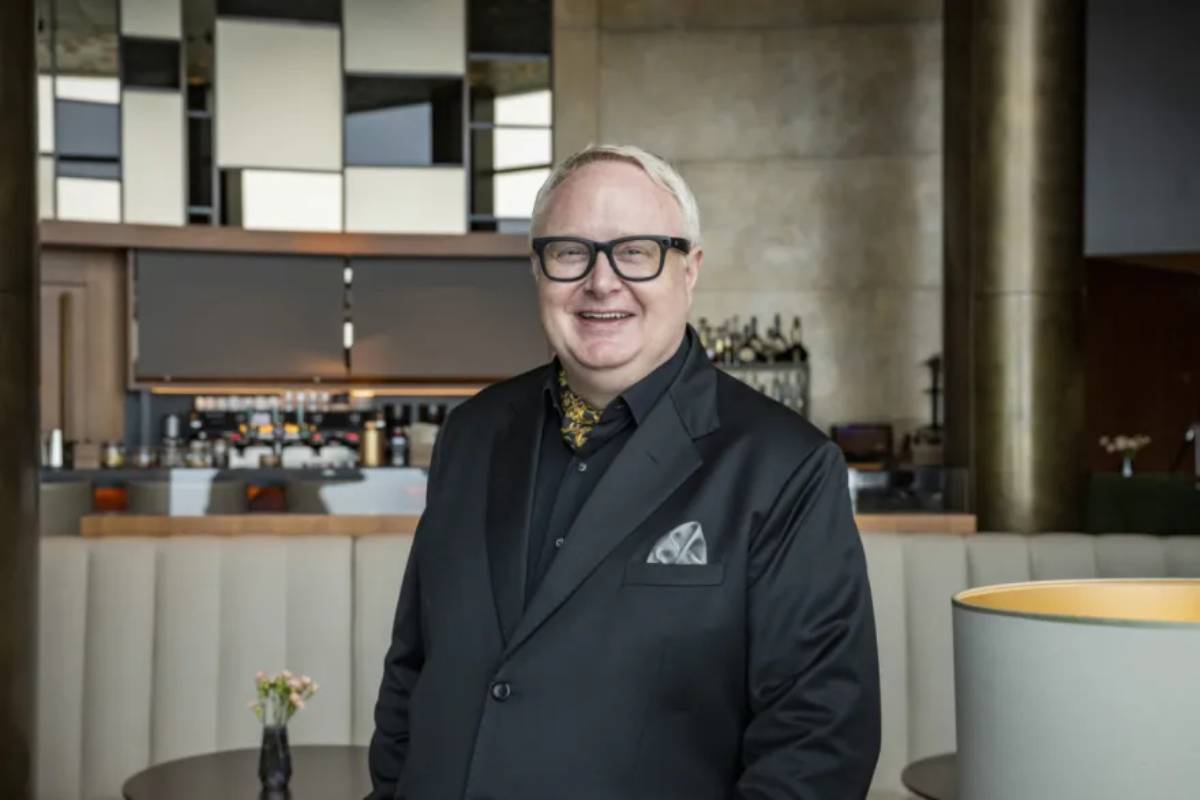
Image Source:  Swissinfo

A high-level diplomatic engagement involving US-Iran discussions has triggered widespread disruptions at Switzerland’s Bürgenstock Resort, resulting in the cancellation of approximately 1,200 guest bookings. The development underscores the operational ripple effects of geopolitical negotiations on global hospitality infrastructure, highlighting how luxury venues increasingly serve as strategic venues for international diplomacy with significant commercial consequences.

The Bürgenstock Resort in central Switzerland was required to cancel around 1,200 reservations to accommodate a major diplomatic event involving US-Iran talks. The decision reflects the scale and security requirements associated with hosting high-level international negotiations.

The cancellations affected a wide range of bookings, including leisure travelers and corporate guests, as the resort prioritized state security protocols and logistical preparations for diplomatic delegations. While the exact financial impact has not been publicly detailed, the scale of displaced reservations indicates a substantial short-term revenue disruption for the hospitality venue.

The incident highlights the increasing frequency with which premium private resorts are repurposed for international political negotiations, particularly in neutral jurisdictions such as Switzerland.

The development aligns with a broader trend across global markets where geopolitical diplomacy is increasingly conducted in private, secure, and neutral luxury environments rather than traditional government buildings. Switzerland, with its long-standing policy of neutrality, has historically served as a key hub for international negotiations and conflict mediation.

In recent years, high-profile summits involving state leaders, multinational institutions, and diplomatic intermediaries have frequently been hosted at exclusive resorts and secluded venues. These locations offer controlled environments, heightened security, and confidentiality, making them suitable for sensitive negotiations.

However, the increasing use of commercial hospitality infrastructure for geopolitical events introduces complex economic trade-offs. While such events enhance visibility and prestige for host venues, they often require large-scale operational disruptions, including reservation cancellations, staffing adjustments, and logistical reconfiguration.

The hospitality sector in Switzerland is particularly exposed to these dynamics due to its strong positioning in luxury tourism and its role as a preferred destination for international conferences and diplomatic gatherings.

Hospitality industry analysts note that while hosting diplomatic summits can elevate a venue’s global profile, the immediate financial impact is often negative due to large-scale booking displacement. Resorts must balance long-term reputational gains with short-term revenue losses.

Geopolitical experts emphasize that Switzerland remains a preferred venue for sensitive negotiations due to its neutrality, stability, and advanced infrastructure. However, they also point out that the growing complexity of global diplomacy is increasing pressure on civilian infrastructure systems that were not originally designed for such large-scale security operations.

Tourism and hospitality specialists argue that such disruptions may become more frequent as geopolitical tensions drive an increased need for neutral negotiation spaces. They suggest that premium resorts may need to incorporate contingency planning frameworks for sudden state-level event hosting.

Policy observers also highlight that these events reinforce Switzerland’s continued strategic relevance in global diplomacy, even as geopolitical negotiations increasingly shift toward decentralized and private settings.

For the hospitality industry, the incident highlights both opportunity and vulnerability. While hosting diplomatic events enhances global prestige and positioning, it can also result in significant operational disruptions and lost commercial revenue.

Investors in luxury tourism assets may need to factor geopolitical utilization risk into long-term valuation models, particularly in regions frequently used for international negotiations.

From a policy standpoint, governments and venue operators may need to develop clearer frameworks for compensating commercial entities affected by state-level events, especially when large-scale cancellations are required.

For corporate clients and travelers, the event underscores the growing unpredictability of premium travel infrastructure in geopolitically active regions. As global diplomacy continues to rely on neutral, high-security private venues, similar disruptions may become more common across the hospitality sector. Stakeholders will likely reassess contractual frameworks, insurance coverage, and operational readiness for sudden state-driven demand.

Decision-makers should monitor how hospitality providers adapt to dual-use roles as both commercial destinations and diplomatic venues. The balance between economic efficiency and geopolitical necessity will remain a defining tension for the sector moving forward.

Source: Swissinfo
Date: June 25, 2026

  • Featured tools
Writesonic AI
Free

Writesonic AI is a versatile AI writing platform designed for marketers, entrepreneurs, and content creators. It helps users create blog posts, ad copies, product descriptions, social media posts, and more with ease. With advanced AI models and user-friendly tools, Writesonic streamlines content production and saves time for busy professionals.

#
Copywriting
Learn more
Murf Ai
Free

Murf AI Review – Advanced AI Voice Generator for Realistic Voiceovers

#
Text to Speech
Learn more

Learn more about future of AI

Join 80,000+ Ai enthusiast getting weekly updates on exciting AI tools.
Thank you! Your submission has been received!
Oops! Something went wrong while submitting the form.

Burgenstock Summit Triggers Mass Cancellations

June 25, 2026

The Burgenstock Resort in central Switzerland was required to cancel around 1,200 reservations to accommodate a major diplomatic event involving US-Iran talks.

Image Source:  Swissinfo

A high-level diplomatic engagement involving US-Iran discussions has triggered widespread disruptions at Switzerland’s Bürgenstock Resort, resulting in the cancellation of approximately 1,200 guest bookings. The development underscores the operational ripple effects of geopolitical negotiations on global hospitality infrastructure, highlighting how luxury venues increasingly serve as strategic venues for international diplomacy with significant commercial consequences.

The Bürgenstock Resort in central Switzerland was required to cancel around 1,200 reservations to accommodate a major diplomatic event involving US-Iran talks. The decision reflects the scale and security requirements associated with hosting high-level international negotiations.

The cancellations affected a wide range of bookings, including leisure travelers and corporate guests, as the resort prioritized state security protocols and logistical preparations for diplomatic delegations. While the exact financial impact has not been publicly detailed, the scale of displaced reservations indicates a substantial short-term revenue disruption for the hospitality venue.

The incident highlights the increasing frequency with which premium private resorts are repurposed for international political negotiations, particularly in neutral jurisdictions such as Switzerland.

The development aligns with a broader trend across global markets where geopolitical diplomacy is increasingly conducted in private, secure, and neutral luxury environments rather than traditional government buildings. Switzerland, with its long-standing policy of neutrality, has historically served as a key hub for international negotiations and conflict mediation.

In recent years, high-profile summits involving state leaders, multinational institutions, and diplomatic intermediaries have frequently been hosted at exclusive resorts and secluded venues. These locations offer controlled environments, heightened security, and confidentiality, making them suitable for sensitive negotiations.

However, the increasing use of commercial hospitality infrastructure for geopolitical events introduces complex economic trade-offs. While such events enhance visibility and prestige for host venues, they often require large-scale operational disruptions, including reservation cancellations, staffing adjustments, and logistical reconfiguration.

The hospitality sector in Switzerland is particularly exposed to these dynamics due to its strong positioning in luxury tourism and its role as a preferred destination for international conferences and diplomatic gatherings.

Hospitality industry analysts note that while hosting diplomatic summits can elevate a venue’s global profile, the immediate financial impact is often negative due to large-scale booking displacement. Resorts must balance long-term reputational gains with short-term revenue losses.

Geopolitical experts emphasize that Switzerland remains a preferred venue for sensitive negotiations due to its neutrality, stability, and advanced infrastructure. However, they also point out that the growing complexity of global diplomacy is increasing pressure on civilian infrastructure systems that were not originally designed for such large-scale security operations.

Tourism and hospitality specialists argue that such disruptions may become more frequent as geopolitical tensions drive an increased need for neutral negotiation spaces. They suggest that premium resorts may need to incorporate contingency planning frameworks for sudden state-level event hosting.

Policy observers also highlight that these events reinforce Switzerland’s continued strategic relevance in global diplomacy, even as geopolitical negotiations increasingly shift toward decentralized and private settings.

For the hospitality industry, the incident highlights both opportunity and vulnerability. While hosting diplomatic events enhances global prestige and positioning, it can also result in significant operational disruptions and lost commercial revenue.

Investors in luxury tourism assets may need to factor geopolitical utilization risk into long-term valuation models, particularly in regions frequently used for international negotiations.

From a policy standpoint, governments and venue operators may need to develop clearer frameworks for compensating commercial entities affected by state-level events, especially when large-scale cancellations are required.

For corporate clients and travelers, the event underscores the growing unpredictability of premium travel infrastructure in geopolitically active regions. As global diplomacy continues to rely on neutral, high-security private venues, similar disruptions may become more common across the hospitality sector. Stakeholders will likely reassess contractual frameworks, insurance coverage, and operational readiness for sudden state-driven demand.

Decision-makers should monitor how hospitality providers adapt to dual-use roles as both commercial destinations and diplomatic venues. The balance between economic efficiency and geopolitical necessity will remain a defining tension for the sector moving forward.

Source: Swissinfo
Date: June 25, 2026

Promote Your Tool

Copy Embed Code

Similar Blogs

June 25, 2026
|

OQ Tech Boosts Satellite Position

The European financing package will support OQ Technology’s expansion of its low Earth orbit (LEO) satellite constellation aimed at providing direct-to-device connectivity.
Read more
June 25, 2026
|

Women Led Startups Show Funding Gap

The startup ecosystem has seen a steady increase in women-founded and women-led companies, particularly in sectors such as digital services, healthtech, fintech, and sustainability-driven innovation.
Read more
June 25, 2026
|

AI Healthcare Unlocks Transformation Potential

AI applications in healthcare are expanding across multiple domains, including clinical decision support, medical imaging, drug discovery, and patient management systems.
Read more
June 25, 2026
|

Helical Raises $10M for AI Drug Lab

The funding round will enable Helical to scale its virtual AI lab infrastructure, which simulates complex biological processes for drug discovery.
Read more
June 25, 2026
|

Digital Healthtech Faces Investor Pressure

The guidance highlights that digital health startups must now demonstrate stronger clinical validation, data security standards, and measurable patient outcomes to secure investor confidence.
Read more
June 25, 2026
|

Luxembourg Space Strategy Turns Decade

Over the past ten years, Luxembourg has systematically developed its space sector through targeted investments, policy frameworks, and partnerships with private space companies.
Read more