
ByteDance Reins In AI App After Disney Legal Threat

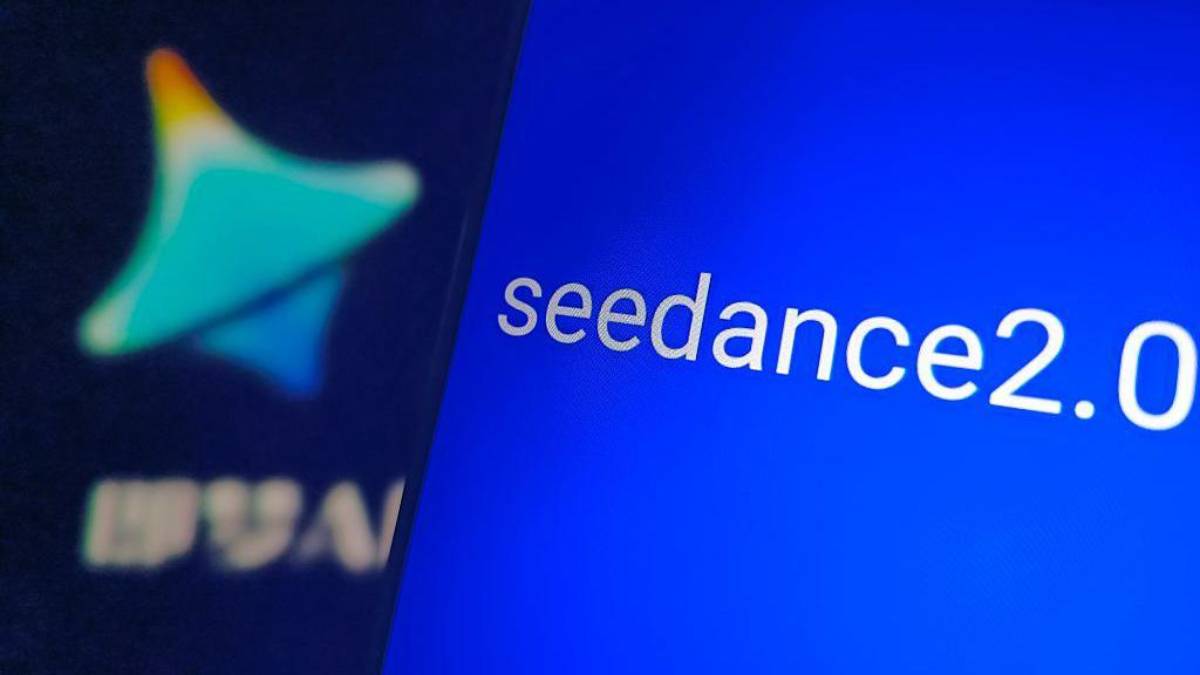
ByteDance confirmed it would restrict aspects of its AI-powered app Seedance after Disney raised concerns over alleged copyright infringement involving recognizable characters and creative assets.

February 16, 2026
|

A high-stakes intellectual property dispute has prompted ByteDance to curb features of its AI app Seedance following a legal threat from Disney. The confrontation underscores escalating tensions between generative AI developers and global media giants, with implications for copyright enforcement, platform governance, and cross-border tech regulation.

ByteDance confirmed it would restrict aspects of its AI-powered app Seedance after Disney raised concerns over alleged copyright infringement involving recognizable characters and creative assets.

Disney reportedly warned of legal action, arguing that AI-generated outputs may have replicated or closely resembled protected intellectual property. In response, ByteDance signaled adjustments to content generation safeguards and moderation systems.

The episode highlights growing scrutiny of AI tools capable of producing images, video, or text inspired by copyrighted works. It also adds pressure on Chinese technology firms operating globally, particularly amid heightened geopolitical sensitivities surrounding digital platforms and content governance.

The dispute may set a precedent for how entertainment conglomerates confront generative AI platforms.

The development aligns with a broader global trend where media companies are challenging AI developers over training data and output similarities. As generative AI tools become increasingly sophisticated, questions around intellectual property ownership and derivative works have intensified.

Major studios and publishers have expressed concerns that AI models trained on copyrighted material may generate content echoing proprietary characters or narratives. Legal battles in the United States and Europe have begun shaping early jurisprudence on AI-related copyright claims.

ByteDance, best known for owning TikTok, has been expanding aggressively into AI innovation. Meanwhile, Disney  a global entertainment powerhouse has historically defended its intellectual property portfolio with vigor.

The clash reflects the friction between rapid AI innovation and legacy content protection regimes, raising broader questions about how copyright law adapts to machine-generated creativity.

Legal analysts note that cases involving AI-generated likenesses of copyrighted characters remain legally complex. Courts must determine whether outputs constitute infringement, fair use, or entirely new works.

Intellectual property experts argue that proactive guardrails  such as prompt filtering and output detection systems will become industry standard to avoid costly litigation. Technology strategists suggest AI firms that fail to secure licensing partnerships with content owners risk reputational and financial exposure.

Industry observers also highlight the geopolitical dimension: Chinese tech firms operating in Western markets face layered scrutiny, blending commercial disputes with broader regulatory tensions.

Disney’s firm stance reinforces a message echoed by many content owners that AI innovation must respect established copyright frameworks or face decisive legal pushback.

For global executives, the dispute signals a critical compliance checkpoint in AI product development. Companies building generative tools may need to reassess training datasets, licensing agreements, and content moderation protocols.

Investors could factor litigation risk more heavily into AI valuations, particularly in consumer-facing creative applications. Media conglomerates may pursue licensing models that transform potential conflict into monetized collaboration.

From a policy standpoint, regulators may accelerate efforts to clarify AI copyright standards, especially where cross-border platforms operate across divergent legal regimes.

The broader takeaway: intellectual property enforcement is emerging as a defining battleground in the AI economy.

The next phase may involve formal negotiations, licensing talks, or potential legal filings if disputes persist. Markets will watch whether other studios adopt similar enforcement strategies.

As generative AI expands into entertainment and creative sectors, corporate leaders must balance innovation with rights protection. The resolution of this case could shape the operational boundaries of AI-generated media worldwide.

Source: BBC News
Date: February 2026

  • Featured tools
Twistly AI
Paid

Twistly AI is a PowerPoint add-in that allows users to generate full slide decks, improve existing presentations, and convert various content types into polished slides directly within Microsoft PowerPoint.It streamlines presentation creation using AI-powered text analysis, image generation and content conversion.

#
Presentation
Learn more
Outplay AI
Free

Outplay AI is a dynamic sales engagement platform combining AI-powered outreach, multi-channel automation, and performance tracking to help teams optimize conversion and pipeline generation.

#
Sales
Learn more

Learn more about future of AI

Join 80,000+ Ai enthusiast getting weekly updates on exciting AI tools.
Thank you! Your submission has been received!
Oops! Something went wrong while submitting the form.

ByteDance Reins In AI App After Disney Legal Threat

February 16, 2026

ByteDance confirmed it would restrict aspects of its AI-powered app Seedance after Disney raised concerns over alleged copyright infringement involving recognizable characters and creative assets.

A high-stakes intellectual property dispute has prompted ByteDance to curb features of its AI app Seedance following a legal threat from Disney. The confrontation underscores escalating tensions between generative AI developers and global media giants, with implications for copyright enforcement, platform governance, and cross-border tech regulation.

ByteDance confirmed it would restrict aspects of its AI-powered app Seedance after Disney raised concerns over alleged copyright infringement involving recognizable characters and creative assets.

Disney reportedly warned of legal action, arguing that AI-generated outputs may have replicated or closely resembled protected intellectual property. In response, ByteDance signaled adjustments to content generation safeguards and moderation systems.

The episode highlights growing scrutiny of AI tools capable of producing images, video, or text inspired by copyrighted works. It also adds pressure on Chinese technology firms operating globally, particularly amid heightened geopolitical sensitivities surrounding digital platforms and content governance.

The dispute may set a precedent for how entertainment conglomerates confront generative AI platforms.

The development aligns with a broader global trend where media companies are challenging AI developers over training data and output similarities. As generative AI tools become increasingly sophisticated, questions around intellectual property ownership and derivative works have intensified.

Major studios and publishers have expressed concerns that AI models trained on copyrighted material may generate content echoing proprietary characters or narratives. Legal battles in the United States and Europe have begun shaping early jurisprudence on AI-related copyright claims.

ByteDance, best known for owning TikTok, has been expanding aggressively into AI innovation. Meanwhile, Disney  a global entertainment powerhouse has historically defended its intellectual property portfolio with vigor.

The clash reflects the friction between rapid AI innovation and legacy content protection regimes, raising broader questions about how copyright law adapts to machine-generated creativity.

Legal analysts note that cases involving AI-generated likenesses of copyrighted characters remain legally complex. Courts must determine whether outputs constitute infringement, fair use, or entirely new works.

Intellectual property experts argue that proactive guardrails  such as prompt filtering and output detection systems will become industry standard to avoid costly litigation. Technology strategists suggest AI firms that fail to secure licensing partnerships with content owners risk reputational and financial exposure.

Industry observers also highlight the geopolitical dimension: Chinese tech firms operating in Western markets face layered scrutiny, blending commercial disputes with broader regulatory tensions.

Disney’s firm stance reinforces a message echoed by many content owners that AI innovation must respect established copyright frameworks or face decisive legal pushback.

For global executives, the dispute signals a critical compliance checkpoint in AI product development. Companies building generative tools may need to reassess training datasets, licensing agreements, and content moderation protocols.

Investors could factor litigation risk more heavily into AI valuations, particularly in consumer-facing creative applications. Media conglomerates may pursue licensing models that transform potential conflict into monetized collaboration.

From a policy standpoint, regulators may accelerate efforts to clarify AI copyright standards, especially where cross-border platforms operate across divergent legal regimes.

The broader takeaway: intellectual property enforcement is emerging as a defining battleground in the AI economy.

The next phase may involve formal negotiations, licensing talks, or potential legal filings if disputes persist. Markets will watch whether other studios adopt similar enforcement strategies.

As generative AI expands into entertainment and creative sectors, corporate leaders must balance innovation with rights protection. The resolution of this case could shape the operational boundaries of AI-generated media worldwide.

Source: BBC News
Date: February 2026

Promote Your Tool

Copy Embed Code

Similar Blogs

February 16, 2026
|

MiniMax Jumps 25% as Confidence Grows in China AI Revival

According to a report by MiniMax recorded a 25% jump in share value as sentiment improved toward Chinese AI developers. The surge reflects expectations of stronger product rollouts, enterprise adoption, and potential regulatory stabilisation in China’s tech sector.
Read more
February 16, 2026
|

Disney Confronts ByteDance in Escalating AI Copyright Clash

A new flashpoint in the global AI copyright battle has emerged as The Walt Disney Company issued a cease-and-desist notice to ByteDance over AI-generated videos allegedly using its intellectual property.
Read more
February 16, 2026
|

High Growth AI Play Emerges as 2026 Wealth-Creation Contender

A bullish investment thesis is gaining traction around a high-growth artificial intelligence stock highlighted by Nasdaq, with analysts suggesting early investors could see outsized returns by the end of 2026.
Read more
February 16, 2026
|

Booking.com Slumps 27% as Investors Eye AI Turnaround

The company is doubling down on its “connected trip” vision—an ecosystem approach that integrates flights, hotels, car rentals, attractions, and payments into a seamless digital journey.
Read more
February 16, 2026
|

Blackstone Anchors $600 Million Bet on AI Infrastructure Player Neysa

According to a report by Yahoo Finance, Blackstone will anchor a $600 million funding round in Neysa, an AI-focused cloud and infrastructure company.
Read more
February 16, 2026
|

AI Memory Surge Triggers Global Chip Supply Crunch

Major chipmakers and memory suppliers are struggling to expand output quickly enough, leading to tightening inventories and upward pricing pressure.
Read more