
Disney Accelerates AI Advertising Push Launch

Disney is preparing to roll out AI-generated TV advertisements as early as July 2026, marking one of the company’s most significant steps toward integrating generative AI into its advertising business model.

June 18, 2026
|
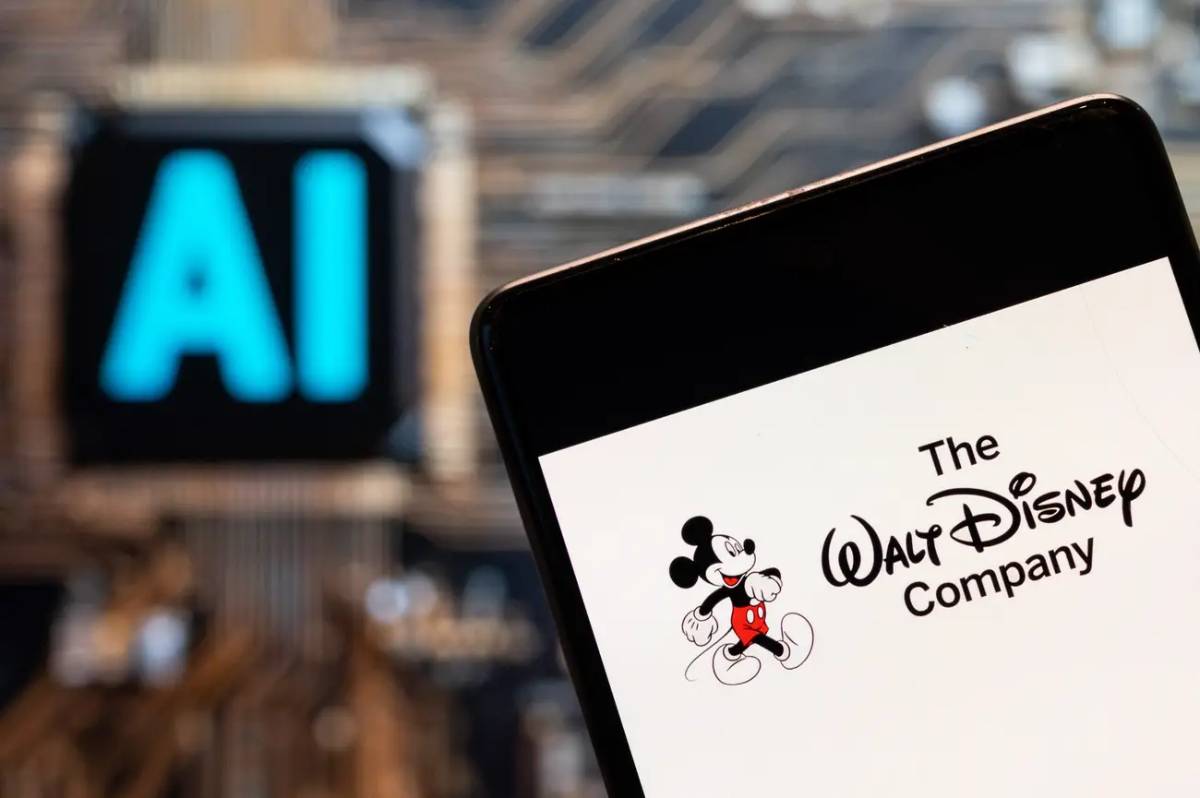
Image Source: Business Insider

A major development in the global media and advertising industry is unfolding as Disney prepares to launch AI-generated television advertising campaigns, signaling a strategic shift toward automated, data-driven content creation. The move underscores how legacy entertainment giants are integrating artificial intelligence into core revenue streams, with significant implications for advertisers, broadcasters, consumers, and the broader digital media ecosystem.

Disney is preparing to roll out AI-generated TV advertisements as early as July 2026, marking one of the company’s most significant steps toward integrating generative AI into its advertising business model.

The initiative is expected to leverage artificial intelligence tools to automate aspects of ad creation, personalization, and targeting, allowing brands to produce dynamic content at scale. The rollout is part of Disney’s broader strategy to enhance advertising efficiency across its streaming platforms, television networks, and digital media assets.

Key stakeholders include Disney, global advertising agencies, consumer brands, media buyers, streaming platforms, and technology partners enabling AI content generation. The development comes as competition intensifies among media companies seeking to optimize advertising revenue in a fragmented attention economy.

The development aligns with a broader trend across global markets where artificial intelligence is reshaping the advertising and media production landscape. Traditional ad creation processes, which often require significant time, cost, and human resources, are increasingly being replaced by AI-assisted workflows that enable rapid content generation and personalization.

Historically, advertising has evolved from static print campaigns to digital, programmatic, and data-driven formats. The introduction of generative AI represents the next major phase, enabling real-time customization of advertisements based on audience behavior, preferences, and contextual signals.

Geopolitically and economically, the global advertising industry is under pressure from shifting consumer attention patterns, streaming fragmentation, and rising content production costs. Media companies are seeking new efficiencies to maintain profitability while competing with digital-first platforms such as Google, Meta, and TikTok, which already dominate AI-driven ad ecosystems.

Disney’s move reflects a broader industry-wide push to integrate AI into creative production pipelines, reducing dependency on manual content creation while increasing scalability and responsiveness.

Industry analysts suggest that AI-generated advertising could significantly reduce production costs while enabling highly personalized and adaptive campaigns. Experts note that this shift may allow brands to tailor messaging in real time based on audience demographics, viewing behavior, and contextual engagement signals.

Media strategists highlight that Disney’s adoption of AI in advertising represents a pivotal moment for traditional entertainment companies seeking to compete in a programmatic, data-driven advertising market. They argue that the ability to scale ad production quickly could become a key competitive advantage.

Advertising industry observers caution, however, that increased reliance on AI-generated content raises questions around brand safety, creative authenticity, and consumer trust. There are also concerns regarding transparency in AI-driven targeting and potential regulatory scrutiny over data usage practices.

Corporate commentary across the media sector suggests that AI is increasingly being viewed not as a replacement for creativity but as an augmentation tool that enhances production efficiency and campaign precision.

For global executives, the shift could redefine advertising production strategies, particularly in sectors reliant on high-volume campaign creation and personalized marketing. Companies may increasingly adopt AI tools to reduce costs and improve campaign agility.

Investors are likely to monitor how effectively Disney monetizes its AI advertising capabilities, particularly in terms of ad revenue growth, engagement metrics, and platform competitiveness against digital-first advertising giants.

From a policy perspective, regulators may scrutinize the use of AI in advertising for issues related to transparency, consumer protection, and data privacy. Standards for AI-generated content disclosure may become more prominent as synthetic media becomes widespread.

The rollout of AI-generated advertising is expected to accelerate across the media industry as competition intensifies and production efficiency becomes a key differentiator. Decision-makers should watch for advertiser adoption rates, regulatory responses, and advancements in generative media tools. While AI offers significant scalability benefits, questions around trust, creativity, and compliance will shape its long-term integration into mainstream advertising ecosystems.

Source: Business Insider
Date: June 18, 2026

  • Featured tools
Hostinger Website Builder
Paid

Hostinger Website Builder is a drag-and-drop website creator bundled with hosting and AI-powered tools, designed for businesses, blogs and small shops with minimal technical effort.It makes launching a site fast and affordable, with templates, responsive design and built-in hosting all in one.

#
Productivity
#
Startup Tools
#
Ecommerce
Learn more
Surfer AI
Free

Surfer AI is an AI-powered content creation assistant built into the Surfer SEO platform, designed to generate SEO-optimized articles from prompts, leveraging data from search results to inform tone, structure, and relevance.

#
SEO
Learn more

Learn more about future of AI

Join 80,000+ Ai enthusiast getting weekly updates on exciting AI tools.
Thank you! Your submission has been received!
Oops! Something went wrong while submitting the form.

Disney Accelerates AI Advertising Push Launch

June 18, 2026

Disney is preparing to roll out AI-generated TV advertisements as early as July 2026, marking one of the company’s most significant steps toward integrating generative AI into its advertising business model.

Image Source: Business Insider

A major development in the global media and advertising industry is unfolding as Disney prepares to launch AI-generated television advertising campaigns, signaling a strategic shift toward automated, data-driven content creation. The move underscores how legacy entertainment giants are integrating artificial intelligence into core revenue streams, with significant implications for advertisers, broadcasters, consumers, and the broader digital media ecosystem.

Disney is preparing to roll out AI-generated TV advertisements as early as July 2026, marking one of the company’s most significant steps toward integrating generative AI into its advertising business model.

The initiative is expected to leverage artificial intelligence tools to automate aspects of ad creation, personalization, and targeting, allowing brands to produce dynamic content at scale. The rollout is part of Disney’s broader strategy to enhance advertising efficiency across its streaming platforms, television networks, and digital media assets.

Key stakeholders include Disney, global advertising agencies, consumer brands, media buyers, streaming platforms, and technology partners enabling AI content generation. The development comes as competition intensifies among media companies seeking to optimize advertising revenue in a fragmented attention economy.

The development aligns with a broader trend across global markets where artificial intelligence is reshaping the advertising and media production landscape. Traditional ad creation processes, which often require significant time, cost, and human resources, are increasingly being replaced by AI-assisted workflows that enable rapid content generation and personalization.

Historically, advertising has evolved from static print campaigns to digital, programmatic, and data-driven formats. The introduction of generative AI represents the next major phase, enabling real-time customization of advertisements based on audience behavior, preferences, and contextual signals.

Geopolitically and economically, the global advertising industry is under pressure from shifting consumer attention patterns, streaming fragmentation, and rising content production costs. Media companies are seeking new efficiencies to maintain profitability while competing with digital-first platforms such as Google, Meta, and TikTok, which already dominate AI-driven ad ecosystems.

Disney’s move reflects a broader industry-wide push to integrate AI into creative production pipelines, reducing dependency on manual content creation while increasing scalability and responsiveness.

Industry analysts suggest that AI-generated advertising could significantly reduce production costs while enabling highly personalized and adaptive campaigns. Experts note that this shift may allow brands to tailor messaging in real time based on audience demographics, viewing behavior, and contextual engagement signals.

Media strategists highlight that Disney’s adoption of AI in advertising represents a pivotal moment for traditional entertainment companies seeking to compete in a programmatic, data-driven advertising market. They argue that the ability to scale ad production quickly could become a key competitive advantage.

Advertising industry observers caution, however, that increased reliance on AI-generated content raises questions around brand safety, creative authenticity, and consumer trust. There are also concerns regarding transparency in AI-driven targeting and potential regulatory scrutiny over data usage practices.

Corporate commentary across the media sector suggests that AI is increasingly being viewed not as a replacement for creativity but as an augmentation tool that enhances production efficiency and campaign precision.

For global executives, the shift could redefine advertising production strategies, particularly in sectors reliant on high-volume campaign creation and personalized marketing. Companies may increasingly adopt AI tools to reduce costs and improve campaign agility.

Investors are likely to monitor how effectively Disney monetizes its AI advertising capabilities, particularly in terms of ad revenue growth, engagement metrics, and platform competitiveness against digital-first advertising giants.

From a policy perspective, regulators may scrutinize the use of AI in advertising for issues related to transparency, consumer protection, and data privacy. Standards for AI-generated content disclosure may become more prominent as synthetic media becomes widespread.

The rollout of AI-generated advertising is expected to accelerate across the media industry as competition intensifies and production efficiency becomes a key differentiator. Decision-makers should watch for advertiser adoption rates, regulatory responses, and advancements in generative media tools. While AI offers significant scalability benefits, questions around trust, creativity, and compliance will shape its long-term integration into mainstream advertising ecosystems.

Source: Business Insider
Date: June 18, 2026

Promote Your Tool

Copy Embed Code

Similar Blogs

June 18, 2026
|

AI Paradox Deepens as Skepticism Grows

Recent survey findings indicate that while Americans are increasingly cautious about the long-term impact of artificial intelligence, actual usage of AI tools continues to expand across professional and personal contexts.
Read more
June 18, 2026
|

Illinois Restricts Smart Glasses While Driving

Illinois lawmakers are evaluating legislation that would prohibit the use of smart glasses while operating a vehicle, citing concerns over distraction and impaired driver attention.
Read more
June 18, 2026
|

Anthropic Unifies AI Coding Design Workflow

Anthropic has expanded its Claude platform to bring together AI-assisted design and coding functionalities into a more integrated developer experience.
Read more
June 18, 2026
|

Creator Camera Wars Intensify Premium Segment

The Insta360 Luna Ultra and DJI Osmo Pocket 4 represent the latest generation of compact, high-performance cameras designed for vloggers, filmmakers, and social media content creators.
Read more
June 18, 2026
|

VSCO Targets Premium Creator Economy Push

VSCO has introduced “Studio Pro,” a mobile-first photo editing application designed to provide advanced creative tools for professional photographers, content creators, and digital media teams.
Read more
June 18, 2026
|

Apple Pricing Shift on Rising RAM Costs

Apple leadership has pointed to escalating memory (RAM) costs as a key driver of financial pressure within its hardware supply chain, suggesting that future product pricing adjustments may be necessary to maintain margins.
Read more