



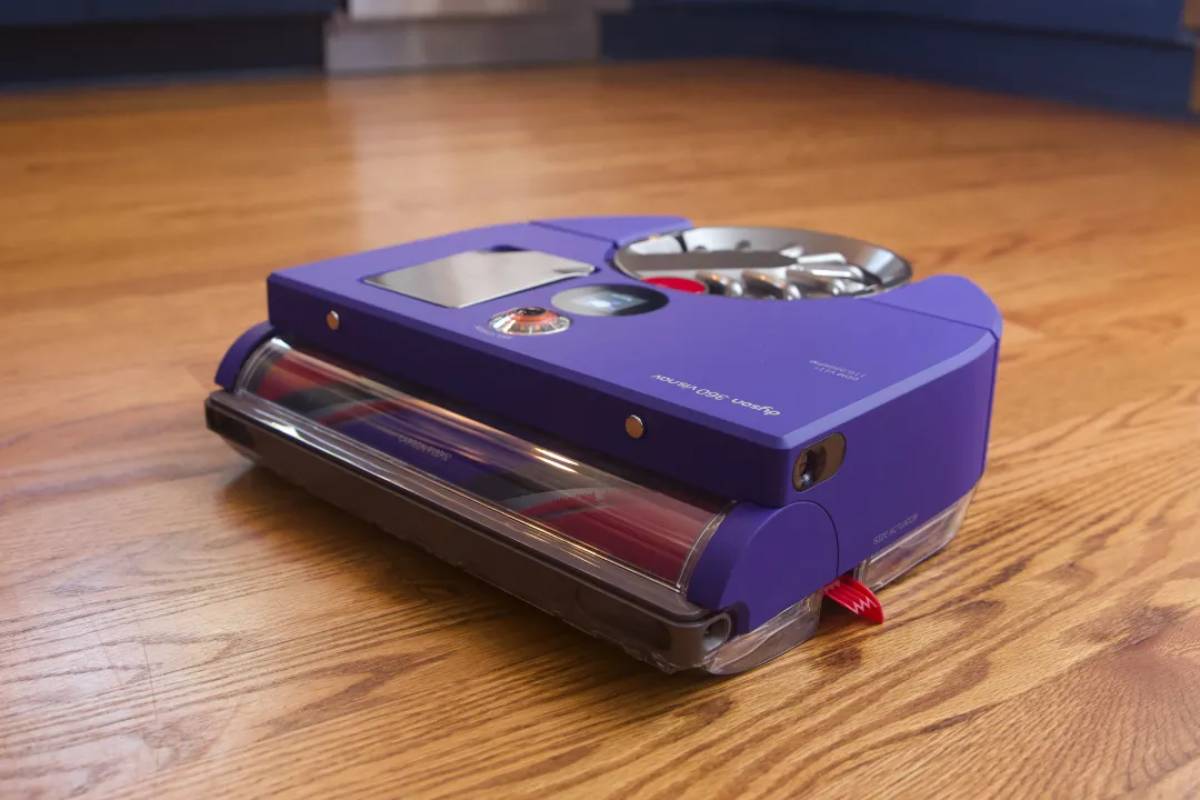
Dyson’s 360 Vis Nav robot vacuum has received a significant limited-time price reduction, positioning the premium device at a more accessible entry point for consumers. The move highlights intensifying competition in the robotic cleaning segment, where pricing strategies are increasingly being used to drive adoption and expand market share across high-end smart home ecosystems.
Dyson’s 360 Vis Nav, known for its high suction power and advanced navigation system, is being offered at $279.99 for a limited period through a promotional retail channel. The discount represents a notable deviation from its premium pricing strategy, which has historically placed Dyson products in the upper tier of the robotics vacuum market.
The offer comes amid heightened competition from brands such as iRobot and Roborock, which are aggressively expanding in both premium and mid-range segments. Retail-driven discounting signals an attempt to accelerate adoption, clear inventory cycles, and strengthen ecosystem penetration in the smart home robotics category.
The robotic vacuum industry has matured into a highly competitive segment within the broader smart home ecosystem. Once defined by early innovation and limited competition, the market now features aggressive pricing strategies, AI-powered navigation systems, and feature convergence across brands. Dyson, traditionally positioned as a premium engineering-led brand, has faced growing pressure from lower-cost competitors offering comparable automation capabilities.
This shift reflects a broader consumer electronics trend where hardware differentiation alone is no longer sufficient to sustain premium pricing. Instead, companies are relying on software intelligence, mapping algorithms, and ecosystem integration to justify value. At the same time, discount cycles have become increasingly strategic, used not only to drive sales but also to influence brand positioning and user acquisition in competitive segments of smart home automation.
Industry analysts suggest that the price reduction reflects broader demand dynamics in the robotic cleaning market. One market researcher noted that “premium vacuum brands are under pressure to justify pricing as mid-tier competitors close the technology gap.”
Experts highlight that navigation accuracy, suction efficiency, and AI-based mapping remain key differentiators, but consumer sensitivity to price is increasing as product performance converges. Retail strategists also point out that limited-time discounts are often used to stimulate short-term demand without permanently repositioning brand value.
From a competitive standpoint, the segment is increasingly shaped by platform thinking where devices are not standalone products but part of broader smart home ecosystems. This shift is forcing legacy premium brands to balance exclusivity with accessibility.
For businesses, the pricing move reflects intensifying competition in the smart home robotics market, where premium positioning is being challenged by rapid technological convergence. Companies may need to reassess pricing elasticity and value differentiation strategies as hardware capabilities standardize across brands.
For investors, promotional pricing may signal either demand stimulation efforts or inventory balancing, both of which can impact margin expectations. On the consumer side, increased affordability may accelerate adoption of robotic automation in households. While regulatory implications remain limited, growing reliance on AI-driven navigation systems could eventually raise questions around data collection, mapping accuracy, and consumer privacy in connected home environments.
The robotic vacuum market is expected to remain highly competitive as manufacturers continue to refine AI navigation and cost structures. Future differentiation will likely depend on ecosystem integration and software intelligence rather than hardware performance alone. Dyson’s pricing strategy may indicate broader tactical adjustments as premium brands respond to mid-tier disruption and evolving consumer expectations in smart home automation.
Source: The Verge
Date: 11 May 2026


