
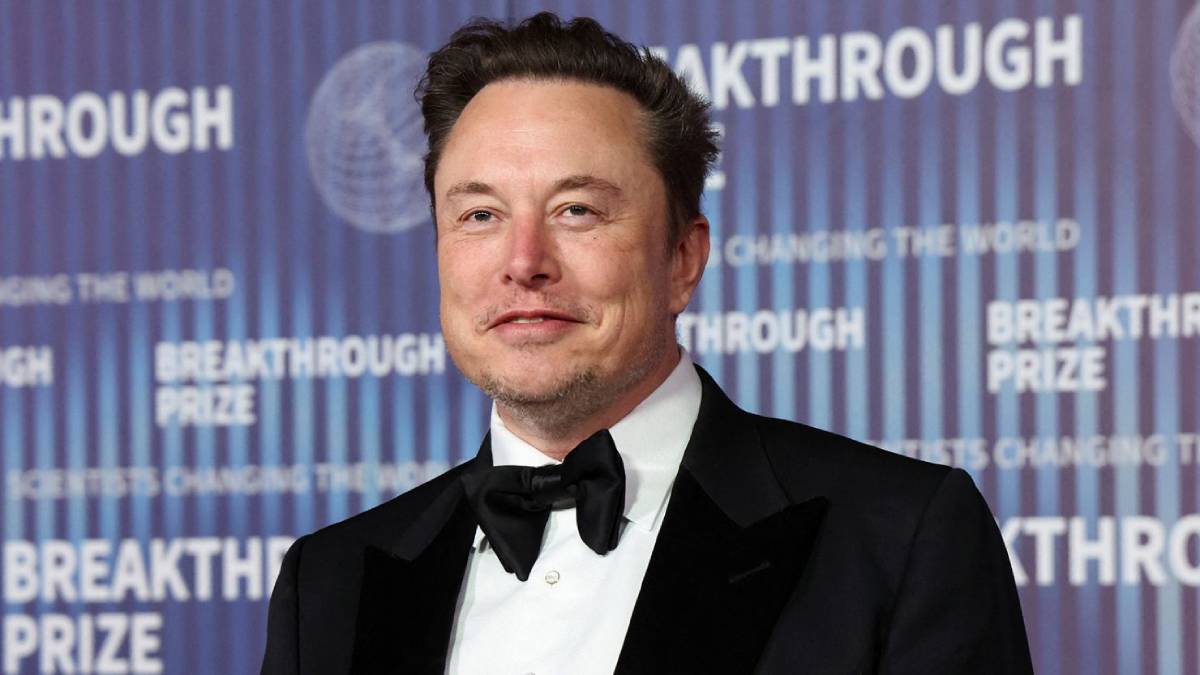
Elon Musk Unites SpaceX and xAI, Pioneering AI Synergies

The merger formally brings xAI’s team and intellectual property under SpaceX’s corporate umbrella, combining AI research with space systems engineering. Timelines indicate operational integration will begin immediately.

February 3, 2026
|

A major development unfolded today as Elon Musk announced the merger of SpaceX with his AI venture, xAI, creating a unique intersection of aerospace and artificial intelligence. The consolidation signals a strategic shift aimed at integrating advanced AI capabilities into space exploration technologies, with implications for investors, tech innovators, and regulators worldwide.

The merger formally brings xAI’s team and intellectual property under SpaceX’s corporate umbrella, combining AI research with space systems engineering. Timelines indicate operational integration will begin immediately, with joint projects expected within six months. Musk emphasized leveraging AI for spacecraft autonomy, satellite intelligence, and predictive analytics in orbital operations. Investors reacted positively, with SpaceX-related investment funds reporting early gains. Regulatory scrutiny is anticipated given the cross-sector nature of the deal. The merger positions SpaceX to explore new revenue streams, including AI-enhanced satellite services, autonomous space logistics, and defense-related applications, while expanding xAI’s market reach beyond standalone AI services.

The consolidation aligns with a broader global trend of AI infusion across traditional industries, particularly aerospace and defense. As private space ventures expand, the integration of AI offers opportunities for operational efficiency, predictive maintenance, and autonomous decision-making. Historically, Elon Musk has championed transformative technology synergies Tesla’s AI-driven automotive systems and SpaceX’s reusable rockets exemplify this strategy. This merger reflects increasing investor interest in cross-sector AI applications, where AI capabilities can enhance both commercial and strategic outcomes. Geopolitically, AI-enabled aerospace technologies carry dual-use considerations, potentially affecting international collaborations, defense policies, and regulatory frameworks. For CXOs, executives, and analysts, the move underscores the competitive imperative to adopt AI-driven solutions to maintain technological leadership in high-stakes, capital-intensive industries.

Industry analysts describe the merger as a “milestone in AI-enabled aerospace,” noting that combining xAI’s deep learning expertise with SpaceX’s operational scale could redefine space missions. Tech strategists suggest AI integration may enhance satellite constellation management, optimize rocket launches, and improve autonomous spacecraft navigation. Corporate insiders highlight that the deal could accelerate xAI’s development of generative AI systems tailored for high-risk, high-value applications. Regulatory and policy experts caution that cross-domain AI raises ethical, security, and compliance considerations, particularly in data handling and defense contracts. Musk stated that the synergy aims to create “intelligent, autonomous systems capable of extending humanity’s reach in space.” Analysts anticipate that other aerospace firms may pursue similar AI partnerships, potentially intensifying competition in both space exploration and AI development globally.

For businesses, the merger signals a new paradigm in AI-enabled operations, encouraging investment in AI-aerospace collaborations and autonomous technologies. Investors may reassess valuations of companies operating at the AI-space nexus, while competitors evaluate strategic partnerships. Governments and regulators face policy decisions regarding AI use in space systems, dual-use technologies, and satellite security. Consumers may indirectly benefit from innovations in satellite communications, navigation, and Earth observation services. Analysts warn that companies operating in AI and aerospace must prepare for heightened regulatory scrutiny, cross-border compliance challenges, and market volatility associated with transformational technological integrations.

Decision-makers should monitor the integration of AI capabilities into SpaceX operations, particularly satellite autonomy, launch efficiency, and AI-driven mission planning. Key indicators include regulatory approvals, project milestones, and investor sentiment. The pace of AI adoption in space technologies will shape competitive dynamics and strategic positioning across aerospace and tech sectors. Uncertainties remain in international regulation, data security, and operational execution, making proactive risk management and strategic foresight critical for stakeholders.

Source & Date

Source: The New York Times
Date: February 2, 2026

  • Featured tools
Copy Ai
Free

Copy AI is one of the most popular AI writing tools designed to help professionals create high-quality content quickly. Whether you are a product manager drafting feature descriptions or a marketer creating ad copy, Copy AI can save hours of work while maintaining creativity and tone.

#
Copywriting
Learn more
Upscayl AI
Free

Upscayl AI is a free, open-source AI-powered tool that enhances and upscales images to higher resolutions. It transforms blurry or low-quality visuals into sharp, detailed versions with ease.

#
Productivity
Learn more

Learn more about future of AI

Join 80,000+ Ai enthusiast getting weekly updates on exciting AI tools.
Thank you! Your submission has been received!
Oops! Something went wrong while submitting the form.

Elon Musk Unites SpaceX and xAI, Pioneering AI Synergies

February 3, 2026

The merger formally brings xAI’s team and intellectual property under SpaceX’s corporate umbrella, combining AI research with space systems engineering. Timelines indicate operational integration will begin immediately.

A major development unfolded today as Elon Musk announced the merger of SpaceX with his AI venture, xAI, creating a unique intersection of aerospace and artificial intelligence. The consolidation signals a strategic shift aimed at integrating advanced AI capabilities into space exploration technologies, with implications for investors, tech innovators, and regulators worldwide.

The merger formally brings xAI’s team and intellectual property under SpaceX’s corporate umbrella, combining AI research with space systems engineering. Timelines indicate operational integration will begin immediately, with joint projects expected within six months. Musk emphasized leveraging AI for spacecraft autonomy, satellite intelligence, and predictive analytics in orbital operations. Investors reacted positively, with SpaceX-related investment funds reporting early gains. Regulatory scrutiny is anticipated given the cross-sector nature of the deal. The merger positions SpaceX to explore new revenue streams, including AI-enhanced satellite services, autonomous space logistics, and defense-related applications, while expanding xAI’s market reach beyond standalone AI services.

The consolidation aligns with a broader global trend of AI infusion across traditional industries, particularly aerospace and defense. As private space ventures expand, the integration of AI offers opportunities for operational efficiency, predictive maintenance, and autonomous decision-making. Historically, Elon Musk has championed transformative technology synergies Tesla’s AI-driven automotive systems and SpaceX’s reusable rockets exemplify this strategy. This merger reflects increasing investor interest in cross-sector AI applications, where AI capabilities can enhance both commercial and strategic outcomes. Geopolitically, AI-enabled aerospace technologies carry dual-use considerations, potentially affecting international collaborations, defense policies, and regulatory frameworks. For CXOs, executives, and analysts, the move underscores the competitive imperative to adopt AI-driven solutions to maintain technological leadership in high-stakes, capital-intensive industries.

Industry analysts describe the merger as a “milestone in AI-enabled aerospace,” noting that combining xAI’s deep learning expertise with SpaceX’s operational scale could redefine space missions. Tech strategists suggest AI integration may enhance satellite constellation management, optimize rocket launches, and improve autonomous spacecraft navigation. Corporate insiders highlight that the deal could accelerate xAI’s development of generative AI systems tailored for high-risk, high-value applications. Regulatory and policy experts caution that cross-domain AI raises ethical, security, and compliance considerations, particularly in data handling and defense contracts. Musk stated that the synergy aims to create “intelligent, autonomous systems capable of extending humanity’s reach in space.” Analysts anticipate that other aerospace firms may pursue similar AI partnerships, potentially intensifying competition in both space exploration and AI development globally.

For businesses, the merger signals a new paradigm in AI-enabled operations, encouraging investment in AI-aerospace collaborations and autonomous technologies. Investors may reassess valuations of companies operating at the AI-space nexus, while competitors evaluate strategic partnerships. Governments and regulators face policy decisions regarding AI use in space systems, dual-use technologies, and satellite security. Consumers may indirectly benefit from innovations in satellite communications, navigation, and Earth observation services. Analysts warn that companies operating in AI and aerospace must prepare for heightened regulatory scrutiny, cross-border compliance challenges, and market volatility associated with transformational technological integrations.

Decision-makers should monitor the integration of AI capabilities into SpaceX operations, particularly satellite autonomy, launch efficiency, and AI-driven mission planning. Key indicators include regulatory approvals, project milestones, and investor sentiment. The pace of AI adoption in space technologies will shape competitive dynamics and strategic positioning across aerospace and tech sectors. Uncertainties remain in international regulation, data security, and operational execution, making proactive risk management and strategic foresight critical for stakeholders.

Source & Date

Source: The New York Times
Date: February 2, 2026

Promote Your Tool

Copy Embed Code

Similar Blogs

February 3, 2026
|

Firefox Introduces Full Generative AI Control, Empowering Users

Mozilla’s upcoming update will allow users to fully disable Firefox’s AI-powered tools, including automated text suggestions and AI-assisted search enhancements. The rollout, expected in the next few weeks.
Read more
February 3, 2026
|

Christopher Nolan Flags AI, Streaming Consolidation as Hollywood Concern

Nolan warned that the consolidation of streaming and traditional studio assets could diminish creative diversity and concentrate market power. He emphasized the rapid rise of AI in scriptwriting, visual effects.
Read more
February 3, 2026
|

Elon Musk Unites SpaceX and xAI, Pioneering AI Synergies

The merger formally brings xAI’s team and intellectual property under SpaceX’s corporate umbrella, combining AI research with space systems engineering. Timelines indicate operational integration will begin immediately.
Read more
February 3, 2026
|

Asia Tech Rally Pushes Stocks Higher Ahead of RBA

The tech-driven rally lifted major indices across Asia, with notable gains in semiconductor and AI-focused stocks. KOSPI advanced 5% in a single session, while Japan’s Nikkei and Hong Kong’s Hang Seng also registered strong gains.
Read more
February 3, 2026
|

OpenClaw Emerges as Global AI Agent Sensation Amid Hype & Concern

OpenClaw’s public release has generated immediate traction among developers, enterprises, and research institutions. Unlike its predecessors, it integrates autonomous task execution.
Read more
February 3, 2026
|

KPIT Targets AI Mobility, Expands China Amid OEM Pressure

KPIT is accelerating AI-driven initiatives to support electric, autonomous, and connected vehicle development. The company has earmarked new resources to enhance software
Read more