



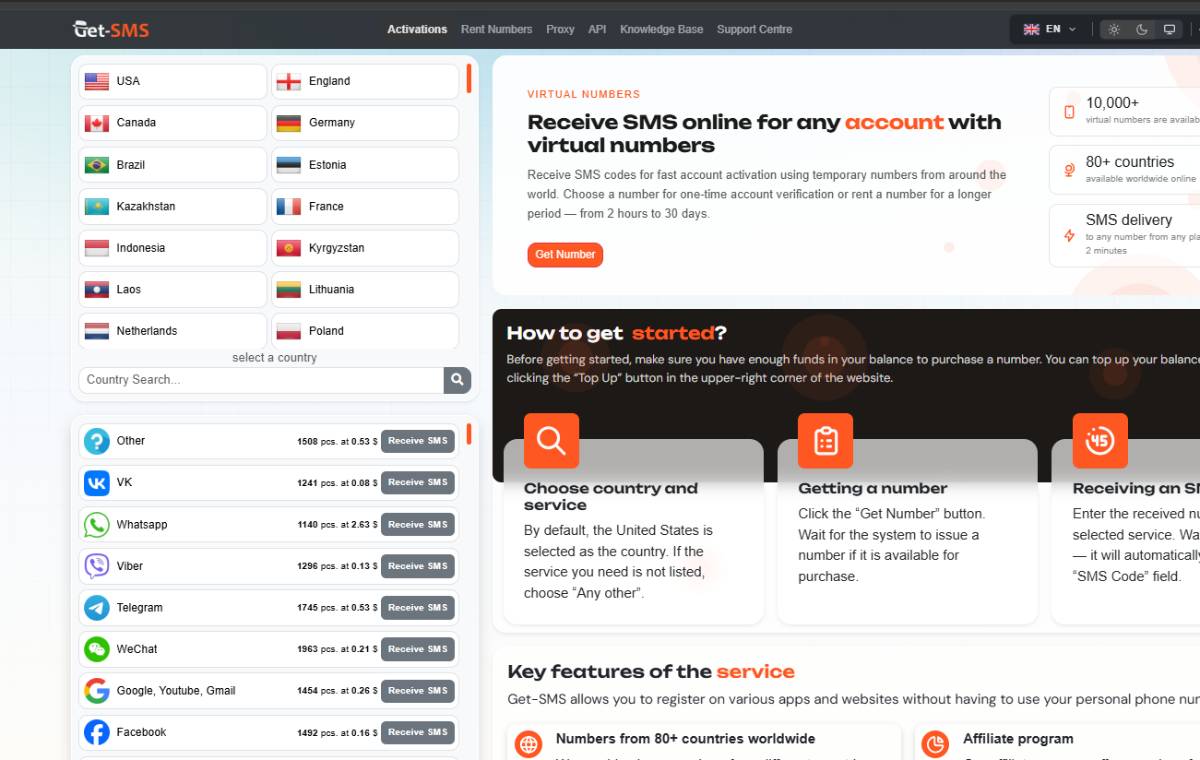
A significant trend is reshaping the digital identity and online verification landscape as virtual phone number services gain broader adoption worldwide. Get-SMS exemplifies the growing demand for temporary SMS verification solutions that help users manage online registrations while balancing privacy, convenience, and secure digital interactions across consumer and enterprise platforms.
Get-SMS operates within the expanding market for virtual phone numbers and SMS verification services, enabling users to receive one-time verification codes without exposing personal mobile numbers. The platform addresses growing concerns around digital privacy while supporting account creation across websites and mobile applications.
Key stakeholders include technology companies, online service providers, cybersecurity firms, consumers, and digital identity solution providers. As digital platforms increasingly require phone-based authentication, demand for alternative verification methods continues to rise.
The service reflects broader market momentum toward privacy-focused digital identity management and secure online onboarding across global digital ecosystems. The rapid expansion of online services has made phone number verification a standard security measure for account registration, identity confirmation, and fraud prevention. However, consumers have become increasingly cautious about sharing personal phone numbers due to concerns over spam, marketing messages, and potential misuse of personal data.
This development aligns with a broader trend across global markets where privacy-enhancing technologies are becoming integral to digital identity management. Businesses are investing in stronger authentication systems while users seek greater control over personal information shared online.
Virtual SMS platforms have emerged as practical solutions supporting temporary verification needs across social media, e-commerce, financial technology, and productivity applications. At the same time, organizations continue balancing user convenience with security requirements to reduce fraud, bot activity, and unauthorized account creation.
Cybersecurity experts recognize virtual verification services as useful privacy tools when used responsibly and within legal frameworks. Analysts note that temporary phone number solutions can reduce exposure to unsolicited communications while providing users with greater flexibility during online registrations.
Industry specialists emphasize that businesses should implement layered authentication strategies rather than relying solely on SMS verification. Many organizations are combining SMS with biometrics, authentication applications, and passkey technologies to improve security.
Technology analysts also observe that regulatory attention surrounding digital identity, fraud prevention, and user authentication is increasing worldwide. Future innovation is expected to focus on privacy-preserving identity verification methods that improve user experience without compromising compliance or security standards.
For businesses, virtual verification services highlight the growing need to strengthen customer onboarding while respecting user privacy expectations. Organizations may need to diversify authentication methods as digital identity standards continue evolving.
Investors are likely to monitor companies operating in identity management, cybersecurity, and authentication technologies as demand for secure digital access expands. Meanwhile, policymakers face the challenge of supporting innovation while preventing misuse of anonymous communication tools for fraudulent or unlawful activities.
For executives, balancing accessibility, cybersecurity, regulatory compliance, and customer trust will remain a strategic priority in digital service delivery. The digital identity ecosystem is expected to continue evolving as businesses adopt more sophisticated authentication technologies and consumers demand stronger privacy protections. Decision-makers should monitor developments in passwordless authentication, decentralized identity systems, AI-powered fraud detection, and global privacy regulations. Platforms that combine secure verification, regulatory compliance, and user-centric privacy features will be well positioned in the future digital economy.
Source: AlternativeTo
Date: July 31, 2026


