
Hex Edit Advances Low-Level Data Engineering

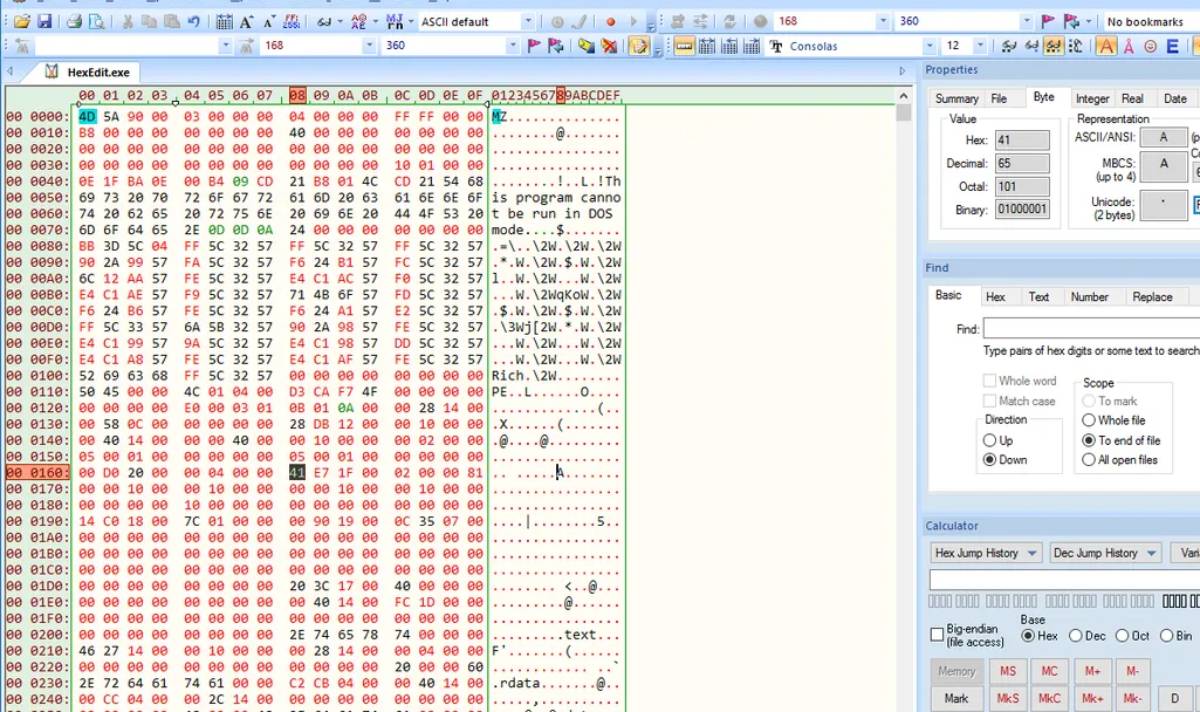
Hex Edit provides developers, engineers, and IT professionals with the ability to inspect and modify binary files at the hexadecimal level.

July 31, 2026
|

Demand for specialized software used in low-level data editing and binary analysis continues to grow as enterprises strengthen software development, cybersecurity, and digital forensics capabilities. Hex Edit reflects the increasing importance of precision data management tools that support debugging, system maintenance, file recovery, and advanced engineering workflows across technology-driven industries.

Hex Edit provides developers, engineers, and IT professionals with the ability to inspect and modify binary files at the hexadecimal level. The software supports detailed analysis of file structures, executable programs, firmware, storage media, and other binary datasets that are inaccessible through conventional text editors.

Key stakeholders include software developers, cybersecurity professionals, digital forensic investigators, embedded systems engineers, academic researchers, and enterprise IT departments. As organizations modernize software infrastructure and strengthen cyber resilience, demand for advanced debugging and binary inspection tools continues to expand. These capabilities contribute to improved troubleshooting, system optimization, software validation, and digital evidence analysis.

The increasing complexity of software ecosystems has elevated the importance of low-level engineering tools capable of analyzing binary data and system-level operations. Organizations developing embedded systems, operating systems, industrial automation platforms, and cybersecurity solutions frequently depend on hexadecimal editors for diagnostics and precision data modification.

This development aligns with a broader trend across global technology markets where digital transformation, cybersecurity investment, and software modernization are driving greater demand for specialized engineering utilities. Growth in cloud computing, Internet of Things (IoT), automotive software, and critical infrastructure systems has expanded the need for reliable debugging and reverse engineering capabilities.

At the same time, digital forensic investigations and incident response operations increasingly rely on binary analysis tools to examine compromised systems, recover corrupted files, and investigate cyber incidents while maintaining data integrity and regulatory compliance.

Cybersecurity analysts emphasize that hexadecimal editors remain indispensable despite advances in automated development environments. Direct access to binary data enables professionals to diagnose complex software issues that higher-level tools may overlook.

Software engineering experts also note that low-level editing applications play an important role in firmware development, embedded computing, file format validation, and interoperability testing. These capabilities contribute to higher software reliability and improved system performance across mission-critical industries.

Digital forensics specialists highlight the growing importance of binary inspection during cyber incident investigations, malware analysis, and evidence preservation. As cyber threats become increasingly sophisticated, organizations are expected to invest further in specialized engineering and forensic toolsets that strengthen resilience and accelerate response capabilities.

For businesses, advanced binary editing and diagnostic tools improve software quality, accelerate troubleshooting, and strengthen cybersecurity preparedness. Technology firms developing embedded systems, enterprise software, and security platforms may benefit from incorporating low-level analysis capabilities into development and operational workflows.

Investors continue monitoring cybersecurity, developer tools, and software engineering markets as digital infrastructure expands globally. Policymakers remain focused on software security standards, critical infrastructure protection, digital resilience, and secure software development practices.

For executives, investments in engineering productivity and cyber defense capabilities are becoming increasingly important components of enterprise technology strategy. Demand for binary analysis and low-level engineering tools is expected to remain strong as software complexity, cybersecurity requirements, and connected infrastructure continue expanding.

Decision-makers should monitor developments in secure software engineering, artificial intelligence-assisted debugging, firmware security, and digital forensic technologies. Organizations that strengthen foundational engineering capabilities alongside broader digital transformation initiatives will be better positioned to manage emerging technical and security challenges.

Source: AlternativeTo
Date: July 31, 2026

  • Featured tools
Wonder AI
Free

Wonder AI is a versatile AI-powered creative platform that generates text, images, and audio with minimal input, designed for fast storytelling, visual creation, and audio content generation

#
Art Generator
Learn more
Hostinger Website Builder
Paid

Hostinger Website Builder is a drag-and-drop website creator bundled with hosting and AI-powered tools, designed for businesses, blogs and small shops with minimal technical effort.It makes launching a site fast and affordable, with templates, responsive design and built-in hosting all in one.

#
Productivity
#
Startup Tools
#
Ecommerce
Learn more

Learn more about future of AI

Join 80,000+ Ai enthusiast getting weekly updates on exciting AI tools.
Thank you! Your submission has been received!
Oops! Something went wrong while submitting the form.

Hex Edit Advances Low-Level Data Engineering

July 31, 2026

Hex Edit provides developers, engineers, and IT professionals with the ability to inspect and modify binary files at the hexadecimal level.

Demand for specialized software used in low-level data editing and binary analysis continues to grow as enterprises strengthen software development, cybersecurity, and digital forensics capabilities. Hex Edit reflects the increasing importance of precision data management tools that support debugging, system maintenance, file recovery, and advanced engineering workflows across technology-driven industries.

Hex Edit provides developers, engineers, and IT professionals with the ability to inspect and modify binary files at the hexadecimal level. The software supports detailed analysis of file structures, executable programs, firmware, storage media, and other binary datasets that are inaccessible through conventional text editors.

Key stakeholders include software developers, cybersecurity professionals, digital forensic investigators, embedded systems engineers, academic researchers, and enterprise IT departments. As organizations modernize software infrastructure and strengthen cyber resilience, demand for advanced debugging and binary inspection tools continues to expand. These capabilities contribute to improved troubleshooting, system optimization, software validation, and digital evidence analysis.

The increasing complexity of software ecosystems has elevated the importance of low-level engineering tools capable of analyzing binary data and system-level operations. Organizations developing embedded systems, operating systems, industrial automation platforms, and cybersecurity solutions frequently depend on hexadecimal editors for diagnostics and precision data modification.

This development aligns with a broader trend across global technology markets where digital transformation, cybersecurity investment, and software modernization are driving greater demand for specialized engineering utilities. Growth in cloud computing, Internet of Things (IoT), automotive software, and critical infrastructure systems has expanded the need for reliable debugging and reverse engineering capabilities.

At the same time, digital forensic investigations and incident response operations increasingly rely on binary analysis tools to examine compromised systems, recover corrupted files, and investigate cyber incidents while maintaining data integrity and regulatory compliance.

Cybersecurity analysts emphasize that hexadecimal editors remain indispensable despite advances in automated development environments. Direct access to binary data enables professionals to diagnose complex software issues that higher-level tools may overlook.

Software engineering experts also note that low-level editing applications play an important role in firmware development, embedded computing, file format validation, and interoperability testing. These capabilities contribute to higher software reliability and improved system performance across mission-critical industries.

Digital forensics specialists highlight the growing importance of binary inspection during cyber incident investigations, malware analysis, and evidence preservation. As cyber threats become increasingly sophisticated, organizations are expected to invest further in specialized engineering and forensic toolsets that strengthen resilience and accelerate response capabilities.

For businesses, advanced binary editing and diagnostic tools improve software quality, accelerate troubleshooting, and strengthen cybersecurity preparedness. Technology firms developing embedded systems, enterprise software, and security platforms may benefit from incorporating low-level analysis capabilities into development and operational workflows.

Investors continue monitoring cybersecurity, developer tools, and software engineering markets as digital infrastructure expands globally. Policymakers remain focused on software security standards, critical infrastructure protection, digital resilience, and secure software development practices.

For executives, investments in engineering productivity and cyber defense capabilities are becoming increasingly important components of enterprise technology strategy. Demand for binary analysis and low-level engineering tools is expected to remain strong as software complexity, cybersecurity requirements, and connected infrastructure continue expanding.

Decision-makers should monitor developments in secure software engineering, artificial intelligence-assisted debugging, firmware security, and digital forensic technologies. Organizations that strengthen foundational engineering capabilities alongside broader digital transformation initiatives will be better positioned to manage emerging technical and security challenges.

Source: AlternativeTo
Date: July 31, 2026

Promote Your Tool

Copy Embed Code

Similar Blogs

July 31, 2026
|

Deep Realms Advances Immersive Digital Experiences

Deep Realms is positioned within the category of immersive digital experiences, offering users a platform focused on exploration, creativity, and interactive engagement.
Read more
July 31, 2026
|

Spirality Expands Creative Generative Design Tools

Spirality is a digital creativity tool focused on generating spiral-based artwork, patterns, and visually engaging designs through automated processes.
Read more
July 31, 2026
|

Gallery DL Enhances Automated Content Management

Gallery-DL is a command-line program designed for downloading image galleries and collections from various online sources.
Read more
July 31, 2026
|

Transwiz Simplifies Windows Data Migration

Transwiz is designed to assist users and IT teams in transferring Windows user profiles, settings, and personal data between computers.
Read more
July 31, 2026
|

Moviejoy Drives Digital Entertainment Growth

The continued expansion of digital entertainment platforms reflects changing consumer viewing habits and accelerating investment in streaming technologies.
Read more
July 31, 2026
|

Hex Edit Advances Low-Level Data Engineering

Hex Edit provides developers, engineers, and IT professionals with the ability to inspect and modify binary files at the hexadecimal level.
Read more