
Global RAM Crunch Threatens AI Infrastructure Expansion

The global memory chip market is facing tightening supply conditions, with RAM shortages expected to persist for an extended period. Demand is being driven primarily by rapid expansion in AI workloads.

April 20, 2026
|
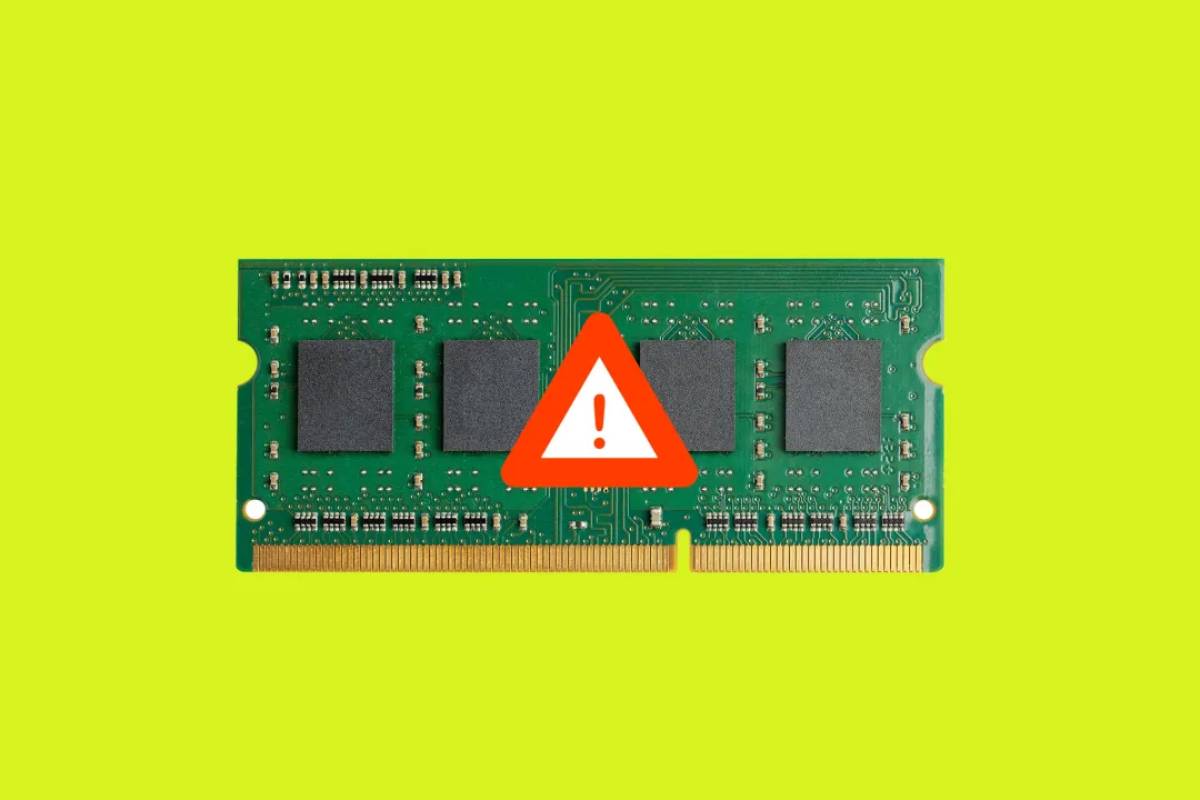
Image Source: Cath Virginia / The Verge, Getty Images

A structural supply challenge is emerging across the global technology ecosystem as persistent shortages of RAM threaten to constrain AI infrastructure growth. The development signals potential long-term bottlenecks in computing capacity, with implications for cloud providers, semiconductor manufacturers, and enterprises scaling artificial intelligence deployments worldwide.

The global memory chip market is facing tightening supply conditions, with RAM shortages expected to persist for an extended period. Demand is being driven primarily by rapid expansion in AI workloads, which require significantly higher memory capacity for training and inference operations.

Key stakeholders include semiconductor manufacturers, cloud service providers, data center operators, and AI developers. The imbalance between supply and demand is placing upward pressure on pricing and creating allocation challenges across industries. Enterprises scaling AI infrastructure are increasingly competing for limited memory resources, highlighting systemic strain in the global semiconductor supply chain.

RAM is a critical component in modern computing systems, enabling fast data access and processing efficiency. The current shortage reflects a broader structural shift in the semiconductor industry, where AI-driven demand is outpacing traditional supply planning cycles.

This development aligns with a broader trend across global markets where AI expansion is reshaping hardware requirements at an unprecedented scale. Unlike previous cycles driven by consumer electronics or mobile computing, the current demand surge is being led by large-scale AI model training and cloud infrastructure expansion.

Historically, memory shortages have occurred in cyclical patterns tied to demand fluctuations. However, the current situation differs due to sustained AI investment across both enterprise and government sectors, suggesting a longer and more structural imbalance in supply dynamics.

Industry analysts suggest that the RAM shortage reflects a deeper structural misalignment between semiconductor manufacturing capacity and AI-driven demand growth. Experts note that memory production cycles are long and capital-intensive, limiting the ability of suppliers to rapidly scale output.

Analysts also highlight that AI workloads require significantly higher memory density, intensifying pressure on existing supply chains. This has created a competitive environment where hyperscale cloud providers and chip designers are increasingly securing long-term supply agreements.

Some experts caution that prolonged shortages could slow down AI infrastructure deployment timelines, particularly for mid-sized enterprises. Others argue that the industry will eventually adjust through expanded fabrication capacity, though this may take several years to stabilize.

For businesses, the RAM shortage could increase operational costs and delay AI deployment strategies. Companies relying on large-scale computing infrastructure may need to reassess procurement strategies and optimize workloads to manage limited resources.

Investors may view semiconductor memory producers as potential beneficiaries of sustained pricing strength, while cloud service providers could face margin pressure due to higher input costs.

From a policy perspective, governments may prioritize semiconductor supply chain resilience as a strategic priority. This could include incentives for domestic manufacturing expansion and efforts to diversify global production networks to reduce systemic vulnerability in critical technology infrastructure.

Looking ahead, the duration and severity of the RAM shortage will depend on how quickly semiconductor manufacturers can expand production capacity. Decision-makers should monitor AI demand growth, memory pricing trends, and capital investment in fabrication facilities. The key uncertainty lies in whether supply expansion can keep pace with accelerating AI workloads, or whether structural constraints will persist over multiple years.

Source: The Verge
Date: April 2026

  • Featured tools
Murf Ai
Free

Murf AI Review – Advanced AI Voice Generator for Realistic Voiceovers

#
Text to Speech
Learn more
Neuron AI
Free

Neuron AI is an AI-driven content optimization platform that helps creators produce SEO-friendly content by combining semantic SEO, competitor analysis, and AI-assisted writing workflows.

#
SEO
Learn more

Learn more about future of AI

Join 80,000+ Ai enthusiast getting weekly updates on exciting AI tools.
Thank you! Your submission has been received!
Oops! Something went wrong while submitting the form.

Global RAM Crunch Threatens AI Infrastructure Expansion

April 20, 2026

The global memory chip market is facing tightening supply conditions, with RAM shortages expected to persist for an extended period. Demand is being driven primarily by rapid expansion in AI workloads.

Image Source: Cath Virginia / The Verge, Getty Images

A structural supply challenge is emerging across the global technology ecosystem as persistent shortages of RAM threaten to constrain AI infrastructure growth. The development signals potential long-term bottlenecks in computing capacity, with implications for cloud providers, semiconductor manufacturers, and enterprises scaling artificial intelligence deployments worldwide.

The global memory chip market is facing tightening supply conditions, with RAM shortages expected to persist for an extended period. Demand is being driven primarily by rapid expansion in AI workloads, which require significantly higher memory capacity for training and inference operations.

Key stakeholders include semiconductor manufacturers, cloud service providers, data center operators, and AI developers. The imbalance between supply and demand is placing upward pressure on pricing and creating allocation challenges across industries. Enterprises scaling AI infrastructure are increasingly competing for limited memory resources, highlighting systemic strain in the global semiconductor supply chain.

RAM is a critical component in modern computing systems, enabling fast data access and processing efficiency. The current shortage reflects a broader structural shift in the semiconductor industry, where AI-driven demand is outpacing traditional supply planning cycles.

This development aligns with a broader trend across global markets where AI expansion is reshaping hardware requirements at an unprecedented scale. Unlike previous cycles driven by consumer electronics or mobile computing, the current demand surge is being led by large-scale AI model training and cloud infrastructure expansion.

Historically, memory shortages have occurred in cyclical patterns tied to demand fluctuations. However, the current situation differs due to sustained AI investment across both enterprise and government sectors, suggesting a longer and more structural imbalance in supply dynamics.

Industry analysts suggest that the RAM shortage reflects a deeper structural misalignment between semiconductor manufacturing capacity and AI-driven demand growth. Experts note that memory production cycles are long and capital-intensive, limiting the ability of suppliers to rapidly scale output.

Analysts also highlight that AI workloads require significantly higher memory density, intensifying pressure on existing supply chains. This has created a competitive environment where hyperscale cloud providers and chip designers are increasingly securing long-term supply agreements.

Some experts caution that prolonged shortages could slow down AI infrastructure deployment timelines, particularly for mid-sized enterprises. Others argue that the industry will eventually adjust through expanded fabrication capacity, though this may take several years to stabilize.

For businesses, the RAM shortage could increase operational costs and delay AI deployment strategies. Companies relying on large-scale computing infrastructure may need to reassess procurement strategies and optimize workloads to manage limited resources.

Investors may view semiconductor memory producers as potential beneficiaries of sustained pricing strength, while cloud service providers could face margin pressure due to higher input costs.

From a policy perspective, governments may prioritize semiconductor supply chain resilience as a strategic priority. This could include incentives for domestic manufacturing expansion and efforts to diversify global production networks to reduce systemic vulnerability in critical technology infrastructure.

Looking ahead, the duration and severity of the RAM shortage will depend on how quickly semiconductor manufacturers can expand production capacity. Decision-makers should monitor AI demand growth, memory pricing trends, and capital investment in fabrication facilities. The key uncertainty lies in whether supply expansion can keep pace with accelerating AI workloads, or whether structural constraints will persist over multiple years.

Source: The Verge
Date: April 2026

Promote Your Tool

Copy Embed Code

Similar Blogs

April 20, 2026
|

Digital Passport Push Accelerates Gov Service Digitization

Digital passport renewal systems are expanding across multiple jurisdictions, allowing users to update travel documents without physical visits to government offices.
Read more
April 20, 2026
|

Canva Expands Into Workplace AI Productivity Tools

Canva has introduced expanded AI-driven workplace features aimed at transforming its platform from a design tool into an integrated productivity ecosystem.
Read more
April 20, 2026
|

Worldcoin Expands Orb Biometrics Into Dating Ecosystem

Worldcoin, co-founded by OpenAI CEO Sam Altman, is advancing its biometric “Orb” identity verification system as a potential authentication layer for dating platforms such as Tinder-like ecosystems.
Read more
April 20, 2026
|

Nvidia Enters Laptop AI Chips in Computing Shift

Nvidia is reportedly advancing plans to release a new laptop-grade AI chip designed to bring advanced inference and AI processing directly into portable computing systems.
Read more
April 20, 2026
|

ASUS ZenScreen Price Drop Signals Hybrid Work Demand Surge

The price reduction on the ASUS ZenScreen Portable Monitor highlights increased competition in the portable display segment. The device is designed to extend laptop functionality through lightweight.
Read more
April 20, 2026
|

AI Shift Moves Computing to PC-Native Intelligence

AI applications are increasingly being designed to run directly on PCs, leveraging local processing power rather than relying solely on cloud infrastructure.
Read more