
Google Adds Browser Based Flight Simulator

Google Earth has long served as a foundational product in digital mapping, blending satellite imagery with interactive exploration. Over time, it has evolved from a visualization tool into a platform for education.

July 29, 2026
|
Image Source: The Verge

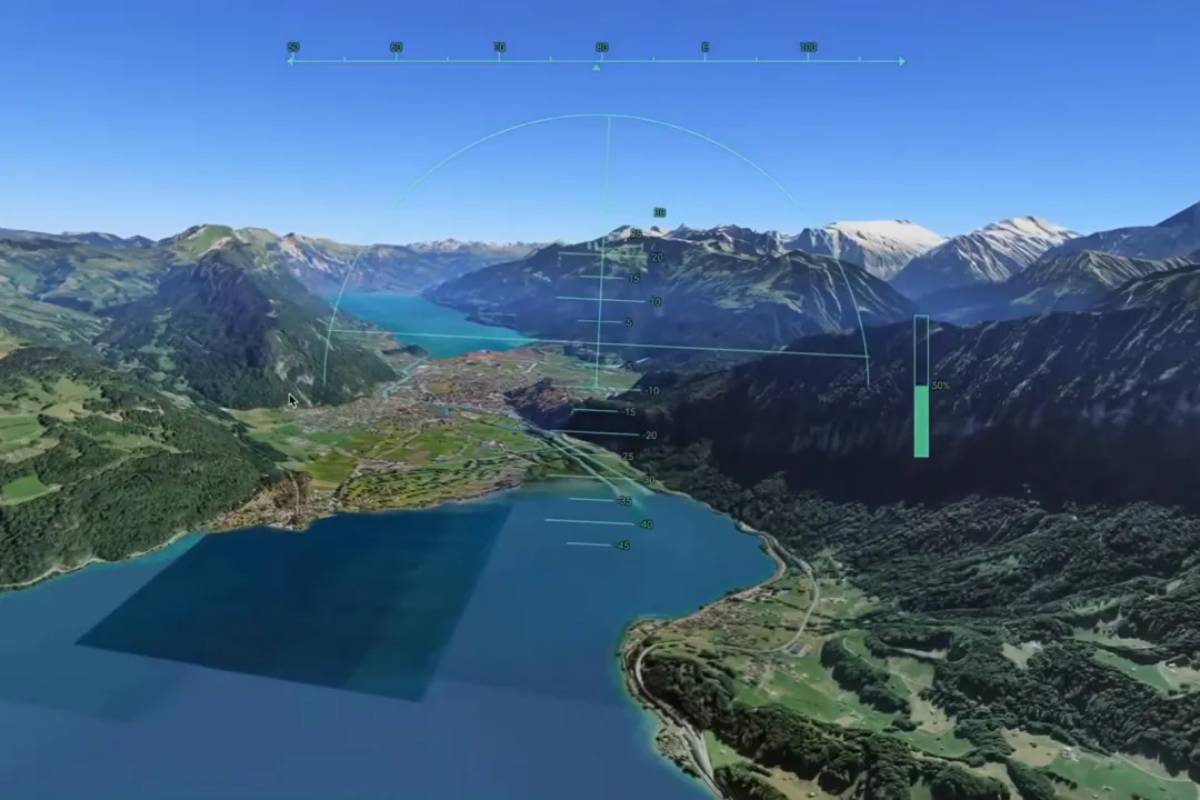
Google has expanded its immersive mapping ecosystem by bringing a flight simulator experience directly into Google Earth’s browser version. The experimental feature enhances consumer engagement with geospatial tools while signaling a broader shift toward interactive, simulation-based web experiences. The update is relevant for developers, educators, and enterprises exploring spatial computing and digital twin environments.

The new feature integrates a flight simulator mode into Google Earth’s browser-based platform, removing the need for desktop installations. Users can now navigate virtual aircraft over real-world satellite imagery directly within Chrome and other supported browsers.

The update is currently labeled experimental, suggesting phased rollout and iterative refinement. It builds on Google Earth’s legacy simulator tools previously available in desktop applications. The browser version lowers accessibility barriers and expands reach across devices. This move also aligns with Google’s broader strategy of making immersive, location-based computing more lightweight and widely accessible through web-first delivery.

Google Earth has long served as a foundational product in digital mapping, blending satellite imagery with interactive exploration. Over time, it has evolved from a visualization tool into a platform for education, simulation, and enterprise geospatial analysis.

The introduction of a browser-based flight simulator reflects a broader industry shift toward experiential computing, where users interact with digital twins of real-world environments. Competitors such as Microsoft have also advanced simulation-heavy ecosystems, particularly in gaming and aviation training through Microsoft Flight Simulator.

This development also aligns with the growing convergence between mapping technologies, gaming engines, and education platforms. As spatial computing gains traction, browser-based delivery reduces friction and enables broader adoption without requiring high-end hardware or installations.

Industry analysts view the move as part of Google’s broader strategy to keep users within its ecosystem through immersive engagement. By embedding simulation tools into Google Earth, the company strengthens user retention while expanding use cases beyond navigation and search.

Technology observers note that browser-based simulation tools are becoming increasingly viable due to improvements in WebGL and cloud rendering capabilities. This allows complex environments, such as flight simulation, to run smoothly without local installations.

However, experts also caution that the feature remains experimental and may face limitations in realism compared to dedicated simulators. Still, it is seen as a meaningful step toward democratizing simulation technology for education, training, and lightweight entertainment.

For enterprises in education, aviation training, and geospatial analytics, the update signals new low-cost opportunities for simulation-based learning tools. It may also encourage developers to build lightweight spatial applications directly within browsers, reducing dependency on specialized software.

For the broader tech industry, this reflects increasing competition in immersive platforms where mapping, gaming, and AI-driven visualization intersect. Companies investing in digital twin infrastructure may see expanded consumer-facing applications.

From a policy perspective, the growing realism of browser-based simulation tools raises long-term questions around data usage, mapping accuracy, and digital representation of real-world environments, particularly as such tools become more widely adopted.

Future iterations are likely to enhance realism, introduce multiplayer or training modes, and expand integration with other Google Earth features. The key factor to watch is whether browser-based simulations can reach performance parity with standalone applications. If adoption grows, Google could further position Earth as a mainstream platform for spatial learning and interactive geovisualization beyond traditional mapping use cases.

Source: The Verge
Date: June 2026

  • Featured tools
Scalenut AI
Free

Scalenut AI is an all-in-one SEO content platform that combines AI-driven writing, keyword research, competitor insights, and optimization tools to help you plan, create, and rank content.

#
SEO
Learn more
Writesonic AI
Free

Writesonic AI is a versatile AI writing platform designed for marketers, entrepreneurs, and content creators. It helps users create blog posts, ad copies, product descriptions, social media posts, and more with ease. With advanced AI models and user-friendly tools, Writesonic streamlines content production and saves time for busy professionals.

#
Copywriting
Learn more

Learn more about future of AI

Join 80,000+ Ai enthusiast getting weekly updates on exciting AI tools.
Thank you! Your submission has been received!
Oops! Something went wrong while submitting the form.

Google Adds Browser Based Flight Simulator

July 29, 2026

Google Earth has long served as a foundational product in digital mapping, blending satellite imagery with interactive exploration. Over time, it has evolved from a visualization tool into a platform for education.

Image Source: The Verge

Google has expanded its immersive mapping ecosystem by bringing a flight simulator experience directly into Google Earth’s browser version. The experimental feature enhances consumer engagement with geospatial tools while signaling a broader shift toward interactive, simulation-based web experiences. The update is relevant for developers, educators, and enterprises exploring spatial computing and digital twin environments.

The new feature integrates a flight simulator mode into Google Earth’s browser-based platform, removing the need for desktop installations. Users can now navigate virtual aircraft over real-world satellite imagery directly within Chrome and other supported browsers.

The update is currently labeled experimental, suggesting phased rollout and iterative refinement. It builds on Google Earth’s legacy simulator tools previously available in desktop applications. The browser version lowers accessibility barriers and expands reach across devices. This move also aligns with Google’s broader strategy of making immersive, location-based computing more lightweight and widely accessible through web-first delivery.

Google Earth has long served as a foundational product in digital mapping, blending satellite imagery with interactive exploration. Over time, it has evolved from a visualization tool into a platform for education, simulation, and enterprise geospatial analysis.

The introduction of a browser-based flight simulator reflects a broader industry shift toward experiential computing, where users interact with digital twins of real-world environments. Competitors such as Microsoft have also advanced simulation-heavy ecosystems, particularly in gaming and aviation training through Microsoft Flight Simulator.

This development also aligns with the growing convergence between mapping technologies, gaming engines, and education platforms. As spatial computing gains traction, browser-based delivery reduces friction and enables broader adoption without requiring high-end hardware or installations.

Industry analysts view the move as part of Google’s broader strategy to keep users within its ecosystem through immersive engagement. By embedding simulation tools into Google Earth, the company strengthens user retention while expanding use cases beyond navigation and search.

Technology observers note that browser-based simulation tools are becoming increasingly viable due to improvements in WebGL and cloud rendering capabilities. This allows complex environments, such as flight simulation, to run smoothly without local installations.

However, experts also caution that the feature remains experimental and may face limitations in realism compared to dedicated simulators. Still, it is seen as a meaningful step toward democratizing simulation technology for education, training, and lightweight entertainment.

For enterprises in education, aviation training, and geospatial analytics, the update signals new low-cost opportunities for simulation-based learning tools. It may also encourage developers to build lightweight spatial applications directly within browsers, reducing dependency on specialized software.

For the broader tech industry, this reflects increasing competition in immersive platforms where mapping, gaming, and AI-driven visualization intersect. Companies investing in digital twin infrastructure may see expanded consumer-facing applications.

From a policy perspective, the growing realism of browser-based simulation tools raises long-term questions around data usage, mapping accuracy, and digital representation of real-world environments, particularly as such tools become more widely adopted.

Future iterations are likely to enhance realism, introduce multiplayer or training modes, and expand integration with other Google Earth features. The key factor to watch is whether browser-based simulations can reach performance parity with standalone applications. If adoption grows, Google could further position Earth as a mainstream platform for spatial learning and interactive geovisualization beyond traditional mapping use cases.

Source: The Verge
Date: June 2026

Promote Your Tool

Copy Embed Code

Similar Blogs

August 11, 2026
|

uBrand Advances Digital Asset Management

uBrand provides a digital platform designed to help organizations manage brand-related content and assets within a centralized environment.
Read more
August 11, 2026
|

Jamf Now Simplifies Apple Device Management

Jamf Now is designed to simplify mobile device management for organizations using Apple hardware.
Read more
August 11, 2026
|

Connecteam Advances Digital Workforce Management

Connecteam provides a workforce-management platform designed to support businesses with employees who spend much of their working time away from traditional desks.
Read more
August 11, 2026
|

ADP Vantage Advances Enterprise Workforce Management

ADP Vantage HCM is positioned as an enterprise human capital management solution designed to support organizations with complex workforce requirements.
Read more
August 11, 2026
|

OnceHub Advances Automated Business Scheduling

OnceHub provides scheduling and appointment-management capabilities designed to help organizations automate the process of arranging meetings and customer appointments.
Read more
August 11, 2026
|

BlueConic Advances Customer Data Management

BlueConic provides a customer data platform designed to help organizations collect, unify and activate customer information from multiple sources.
Read more