
Google Expands AI Health Strategy Globally

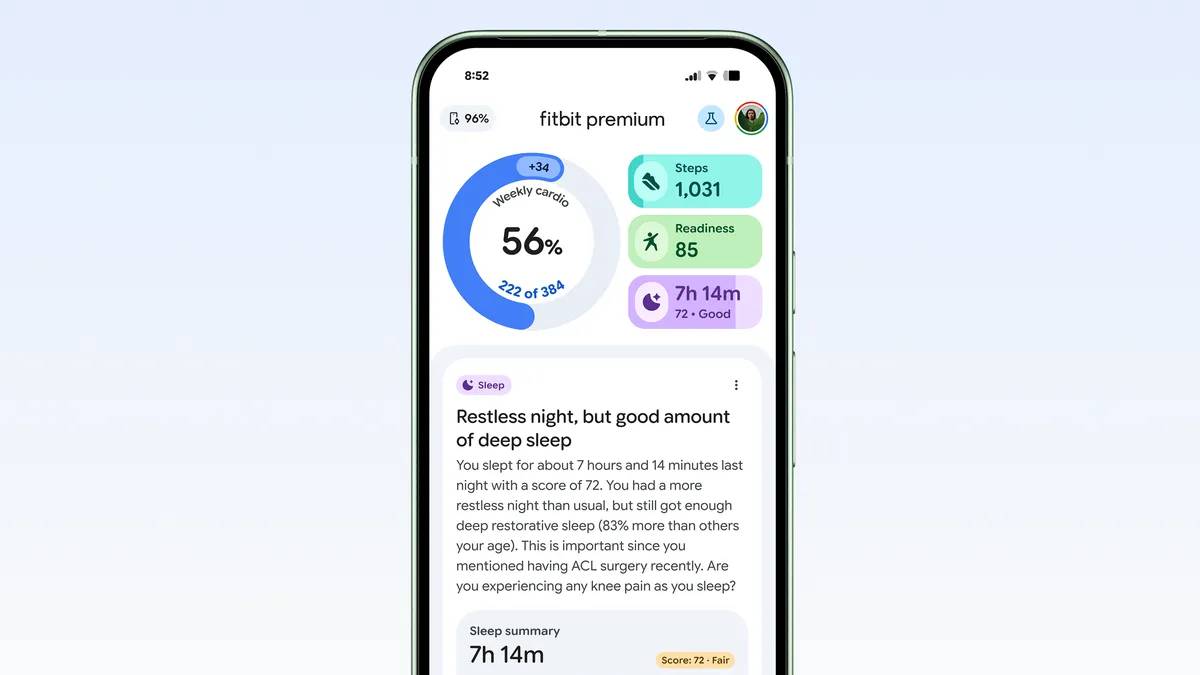
Google’s AI-enabled health guidance tools are increasingly delivering more personalized wellness recommendations, integrating data-driven insights into fitness tracking and consumer healthcare experiences.

July 29, 2026
|
Image Source: CNET

A significant shift in digital healthcare technology is unfolding as Google deepens its push into AI-powered health guidance, signaling a broader transformation in consumer wellness ecosystems. While users and analysts praise the growing sophistication of AI-driven health insights, concerns are emerging over the declining prominence of the Fitbit app experience within Google’s expanding platform strategy.

Google’s AI-enabled health guidance tools are increasingly delivering more personalized wellness recommendations, integrating data-driven insights into fitness tracking and consumer healthcare experiences.

The report highlights growing user interest in AI-generated wellness suggestions tied to activity monitoring, recovery metrics, and behavioral insights. However, concerns have surfaced regarding the reduced emphasis on the standalone Fitbit experience following Google’s deeper integration of AI systems and broader ecosystem consolidation efforts.

Industry observers view the development as part of Google’s long-term strategy to position artificial intelligence at the center of digital health engagement, wearable technology, and consumer wellness infrastructure.

Google’s evolving AI health strategy reflects a broader global trend where technology companies are increasingly integrating artificial intelligence into healthcare, wellness, and wearable ecosystems. AI-driven personalization is becoming central to how consumers interact with health data, enabling platforms to provide customized insights on sleep, exercise, stress, nutrition, and recovery patterns.

The development aligns with wider industry efforts by major technology firms to transform wearable devices into predictive health intelligence platforms rather than simple fitness trackers. Companies across the digital health sector are investing heavily in AI-powered diagnostics, behavioral analytics, and preventative care systems designed to improve long-term user engagement and health outcomes.

Google’s acquisition of Fitbit several years ago was widely viewed as a strategic effort to strengthen its position in the competitive wearable technology market against rivals including Apple and Samsung. Since then, the integration of Fitbit services into Google’s broader ecosystem has sparked ongoing debate among users regarding data portability, platform identity, and product continuity.

The broader healthcare and policy context is equally important. Governments and regulators worldwide are closely examining how AI-driven health systems manage sensitive personal data, algorithmic decision-making, and consumer privacy protections in increasingly digitized healthcare environments.

Digital health analysts suggest Google’s increasing focus on AI-guided wellness reflects a growing industry consensus that personalized healthcare assistance could become one of the most commercially significant applications of consumer artificial intelligence.

Experts argue that AI-powered health systems have the potential to improve preventative care by helping users identify patterns linked to stress, sleep disruption, physical inactivity, and overall wellness. Analysts believe such systems could eventually evolve into broader healthcare support tools integrated with medical services, insurance platforms, and clinical ecosystems.

At the same time, technology specialists warn that platform consolidation can create friction among loyal user communities accustomed to legacy products such as Fitbit’s standalone application environment. Consumer experience analysts note that preserving trust and continuity remains critical as companies integrate AI into deeply personal health ecosystems.

Privacy advocates continue emphasizing the importance of transparency, informed consent, and secure handling of biometric and behavioral data. Regulators globally are paying increasing attention to how AI systems interpret personal health information and generate recommendations that may influence user decisions.

For businesses, Google’s AI health expansion underscores the growing strategic value of wearable technology, behavioral analytics, and AI-driven personalization in the global digital healthcare economy. Technology firms may increasingly compete on the quality of predictive insights and ecosystem integration rather than hardware alone.

Investors are closely tracking opportunities within AI-powered health platforms, wearable devices, and preventative care technologies as demand for consumer wellness solutions continues to rise globally. Analysts believe companies capable of combining advanced AI functionality with strong user trust may gain long-term competitive advantages.

At the policy level, regulators may intensify scrutiny around health data privacy, algorithmic accountability, and digital wellness governance frameworks. Governments are increasingly evaluating how AI-generated health recommendations should be regulated, particularly when platforms handle sensitive biometric information.

Businesses operating in AI-driven healthcare environments may also face stricter compliance standards tied to transparency, cybersecurity, and responsible AI deployment practices.

The next phase of AI-driven digital healthcare is expected to focus on deeper personalization, predictive wellness intelligence, and integration across broader healthcare ecosystems. Decision-makers will closely monitor whether consumers prioritize advanced AI functionality over legacy platform familiarity and app-specific experiences.

As artificial intelligence becomes increasingly embedded within consumer wellness infrastructure, companies such as Google may play a defining role in shaping the future architecture of digital health engagement worldwide.

Source: CNET
Date: May 29, 2026

  • Featured tools
Outplay AI
Free

Outplay AI is a dynamic sales engagement platform combining AI-powered outreach, multi-channel automation, and performance tracking to help teams optimize conversion and pipeline generation.

#
Sales
Learn more
Alli AI
Free

Alli AI is an all-in-one, AI-powered SEO automation platform that streamlines on-page optimization, site auditing, speed improvements, schema generation, internal linking, and ranking insights.

#
SEO
Learn more

Learn more about future of AI

Join 80,000+ Ai enthusiast getting weekly updates on exciting AI tools.
Thank you! Your submission has been received!
Oops! Something went wrong while submitting the form.

Google Expands AI Health Strategy Globally

July 29, 2026

Google’s AI-enabled health guidance tools are increasingly delivering more personalized wellness recommendations, integrating data-driven insights into fitness tracking and consumer healthcare experiences.

Image Source: CNET

A significant shift in digital healthcare technology is unfolding as Google deepens its push into AI-powered health guidance, signaling a broader transformation in consumer wellness ecosystems. While users and analysts praise the growing sophistication of AI-driven health insights, concerns are emerging over the declining prominence of the Fitbit app experience within Google’s expanding platform strategy.

Google’s AI-enabled health guidance tools are increasingly delivering more personalized wellness recommendations, integrating data-driven insights into fitness tracking and consumer healthcare experiences.

The report highlights growing user interest in AI-generated wellness suggestions tied to activity monitoring, recovery metrics, and behavioral insights. However, concerns have surfaced regarding the reduced emphasis on the standalone Fitbit experience following Google’s deeper integration of AI systems and broader ecosystem consolidation efforts.

Industry observers view the development as part of Google’s long-term strategy to position artificial intelligence at the center of digital health engagement, wearable technology, and consumer wellness infrastructure.

Google’s evolving AI health strategy reflects a broader global trend where technology companies are increasingly integrating artificial intelligence into healthcare, wellness, and wearable ecosystems. AI-driven personalization is becoming central to how consumers interact with health data, enabling platforms to provide customized insights on sleep, exercise, stress, nutrition, and recovery patterns.

The development aligns with wider industry efforts by major technology firms to transform wearable devices into predictive health intelligence platforms rather than simple fitness trackers. Companies across the digital health sector are investing heavily in AI-powered diagnostics, behavioral analytics, and preventative care systems designed to improve long-term user engagement and health outcomes.

Google’s acquisition of Fitbit several years ago was widely viewed as a strategic effort to strengthen its position in the competitive wearable technology market against rivals including Apple and Samsung. Since then, the integration of Fitbit services into Google’s broader ecosystem has sparked ongoing debate among users regarding data portability, platform identity, and product continuity.

The broader healthcare and policy context is equally important. Governments and regulators worldwide are closely examining how AI-driven health systems manage sensitive personal data, algorithmic decision-making, and consumer privacy protections in increasingly digitized healthcare environments.

Digital health analysts suggest Google’s increasing focus on AI-guided wellness reflects a growing industry consensus that personalized healthcare assistance could become one of the most commercially significant applications of consumer artificial intelligence.

Experts argue that AI-powered health systems have the potential to improve preventative care by helping users identify patterns linked to stress, sleep disruption, physical inactivity, and overall wellness. Analysts believe such systems could eventually evolve into broader healthcare support tools integrated with medical services, insurance platforms, and clinical ecosystems.

At the same time, technology specialists warn that platform consolidation can create friction among loyal user communities accustomed to legacy products such as Fitbit’s standalone application environment. Consumer experience analysts note that preserving trust and continuity remains critical as companies integrate AI into deeply personal health ecosystems.

Privacy advocates continue emphasizing the importance of transparency, informed consent, and secure handling of biometric and behavioral data. Regulators globally are paying increasing attention to how AI systems interpret personal health information and generate recommendations that may influence user decisions.

For businesses, Google’s AI health expansion underscores the growing strategic value of wearable technology, behavioral analytics, and AI-driven personalization in the global digital healthcare economy. Technology firms may increasingly compete on the quality of predictive insights and ecosystem integration rather than hardware alone.

Investors are closely tracking opportunities within AI-powered health platforms, wearable devices, and preventative care technologies as demand for consumer wellness solutions continues to rise globally. Analysts believe companies capable of combining advanced AI functionality with strong user trust may gain long-term competitive advantages.

At the policy level, regulators may intensify scrutiny around health data privacy, algorithmic accountability, and digital wellness governance frameworks. Governments are increasingly evaluating how AI-generated health recommendations should be regulated, particularly when platforms handle sensitive biometric information.

Businesses operating in AI-driven healthcare environments may also face stricter compliance standards tied to transparency, cybersecurity, and responsible AI deployment practices.

The next phase of AI-driven digital healthcare is expected to focus on deeper personalization, predictive wellness intelligence, and integration across broader healthcare ecosystems. Decision-makers will closely monitor whether consumers prioritize advanced AI functionality over legacy platform familiarity and app-specific experiences.

As artificial intelligence becomes increasingly embedded within consumer wellness infrastructure, companies such as Google may play a defining role in shaping the future architecture of digital health engagement worldwide.

Source: CNET
Date: May 29, 2026

Promote Your Tool

Copy Embed Code

Similar Blogs

July 29, 2026
|

EmulationStation Enhances Retro Gaming Experience

EmulationStation is a front-end interface designed to organize and present video game emulation libraries through a streamlined user experience.
Read more
July 29, 2026
|

Tomoson Expands Influencer Marketing Collaboration

Tomoson operates as an influencer marketing platform designed to help brands collaborate with content creators and manage promotional campaigns.
Read more
July 29, 2026
|

ZeroBin.net Advances Secure Data Sharing

ZeroBin.net operates as a privacy-oriented platform that allows users to share encrypted information through temporary digital channels.
Read more
July 29, 2026
|

Gaia Expands Digital Knowledge Access

Gaia operates within the broader category of digital platforms focused on information discovery, organization, and knowledge accessibility.
Read more
July 29, 2026
|

MailDrop Expands Privacy Email Solutions

MailDrop operates as a temporary email service designed to help users create disposable email addresses for online registrations and digital interactions.
Read more
July 29, 2026
|

MacX YouTube Downloader Enhances Video Management

MacX YouTube Downloader is a multimedia software solution designed to support video downloading, conversion, and management from online platforms.
Read more