



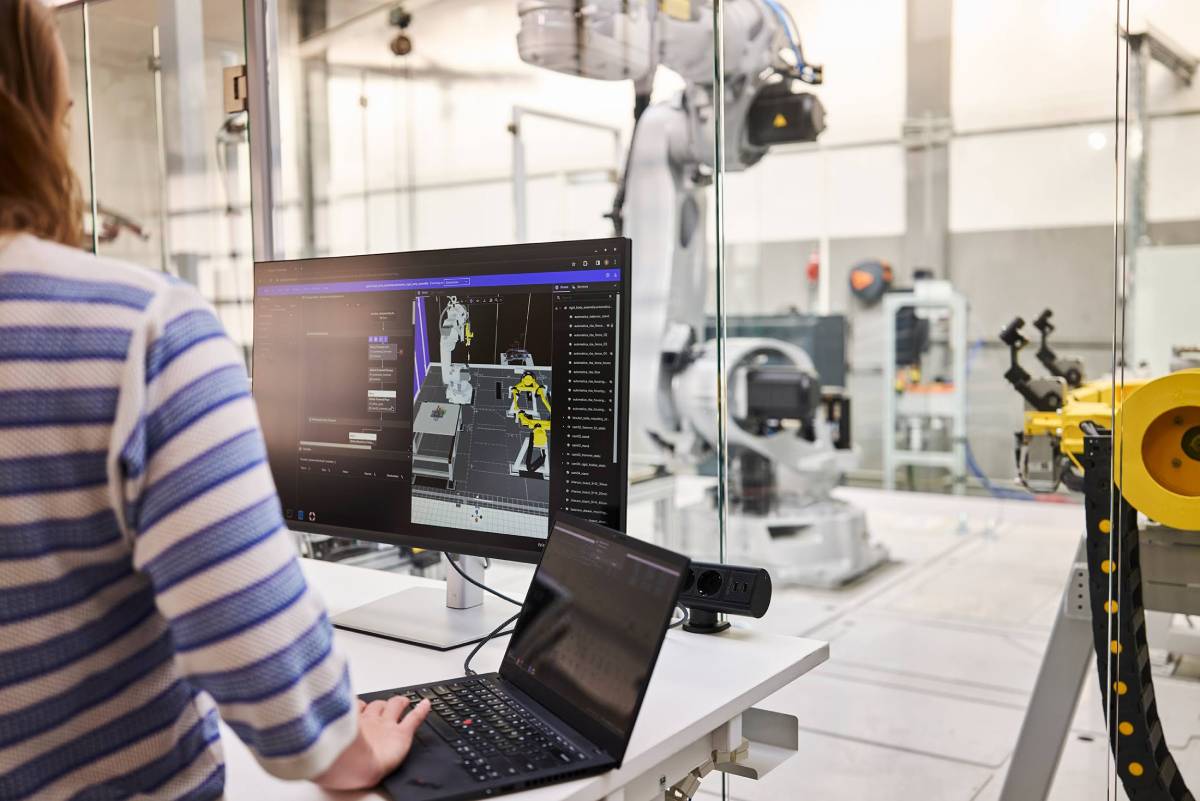
A major development unfolded as Google LLC partnered with Agile Robots to advance its AI-driven robotics capabilities. The collaboration signals a strategic expansion in autonomous systems, impacting technology markets, industrial automation sectors, and enterprise adoption of AI robotics platforms globally.
The partnership enables Google to integrate its AI platforms into Agile Robots’ advanced robotic systems, enhancing agility, perception, and decision-making capabilities. Joint research initiatives aim to accelerate deployment in manufacturing, logistics, and service industries.
Initial pilots are slated for 2026, with broader commercialization expected over the next 12–24 months. Key stakeholders include corporate clients, supply chain operators, and enterprise robotics developers seeking scalable AI automation solutions.
The move reflects Google’s strategic intent to broaden its robotics ecosystem and leverage AI tools for practical, high-impact applications, positioning itself alongside other major players in industrial automation and intelligent robotics markets.
The development aligns with a broader trend in global markets where AI-enabled robotics is rapidly transforming industrial and commercial operations. Companies increasingly invest in intelligent automation to boost efficiency, reduce operational costs, and enhance precision.
Historically, Google has focused on AI research and software innovation, with robotics initiatives such as Everyday Robots laying groundwork for real-world applications. Partnering with Agile Robots accelerates the integration of advanced AI platforms into physical systems, bridging the gap between software intelligence and autonomous hardware.
This move also reflects geopolitical and economic factors: automation reduces reliance on labor-intensive processes, supports supply chain resilience, and addresses competitive pressures in technology and industrial sectors. The partnership positions Google to influence the emerging landscape of AI-driven robotics while offering enterprises access to cutting-edge platforms and operational tools.
Industry analysts view the collaboration as a key milestone in industrial AI adoption. Experts note that integrating AI tools with robotic hardware enables adaptive learning, predictive maintenance, and operational optimization, offering measurable returns for enterprises.
Corporate strategists highlight that Google’s platform-based approach allows for scalable deployment across multiple sectors, increasing the market reach and value proposition of robotics solutions. By partnering rather than building in-house, Google accelerates time-to-market while leveraging Agile Robots’ domain expertise.
Market observers suggest that AI robotics platforms may redefine labor dynamics, operational models, and innovation cycles. Analysts predict that such initiatives could influence policy discussions on workforce transition, automation standards, and industrial AI regulation, as enterprises and governments adapt to intelligent automation.
For businesses, the partnership signals the growing importance of AI platforms and intelligent robotics in operational strategy. Enterprises adopting these technologies can achieve efficiency gains, cost reductions, and enhanced service delivery.
Investors may see this as a strategic move to strengthen Google’s robotics market positioning, potentially increasing long-term value in industrial automation portfolios. Consumers may benefit indirectly through improved products and services driven by AI robotics efficiency.
Policy implications include regulatory oversight on AI-enabled robotics, safety standards, and workforce transition strategies. Governments may accelerate discussions on compliance, ethical deployment, and the economic impact of integrating AI platforms with autonomous systems in critical sectors.
Looking ahead, Google and Agile Robots are expected to expand pilot programs and commercial deployments across multiple industries in 2026 and beyond. Decision-makers should monitor adoption metrics, operational impact, and workforce integration strategies.
As AI robotics platforms mature, enterprises that strategically integrate these tools are likely to gain competitive advantages, while regulators and stakeholders will focus on safe, ethical, and effective deployment standards.
Source: CNBC
Date: March 24, 2026


