



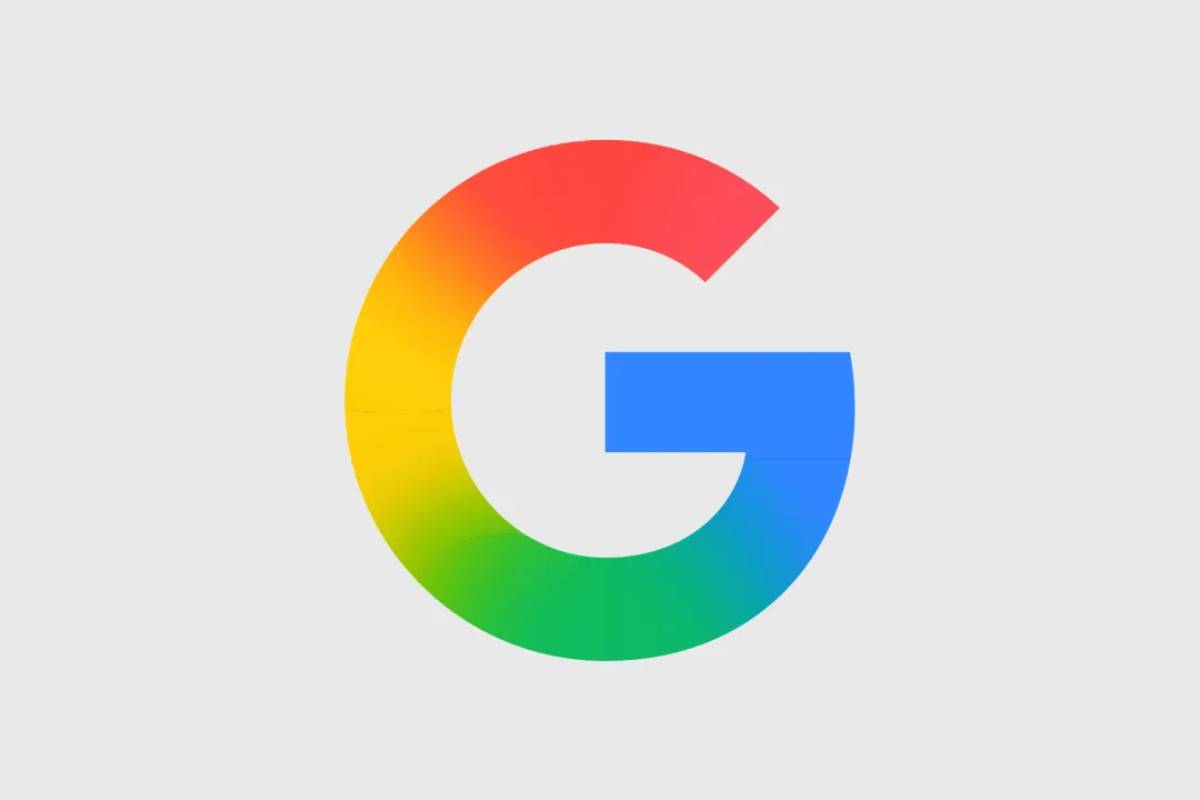
A major design evolution is underway at Google as its new gradient icon system expands across a wider range of apps. The update signals a coordinated shift in visual identity strategy, reflecting how global tech firms are increasingly aligning design language with AI-era platforms, ecosystem cohesion, and cross-product brand consistency.
Google is extending its gradient-based icon design across multiple applications, moving away from flatter, segmented visual branding toward a more unified aesthetic system. The rollout appears to be part of a broader design refresh across Google’s ecosystem, including core productivity and consumer-facing apps.
The change is being implemented gradually, indicating a phased deployment strategy across platforms and services. This design standardization aligns with Google’s ongoing efforts to streamline user experience across Android, Workspace, and AI-integrated services. The visual overhaul also reinforces brand cohesion as Google deepens its focus on AI-driven product ecosystems.
The update reflects a broader industry shift toward unified design systems that support cross-platform consistency in increasingly complex digital ecosystems. As technology companies expand into AI platforms, cloud services, and multi-device environments, visual identity has become a critical layer of user experience strategy.
Google has historically evolved its design language from skeuomorphic interfaces to Material Design and later Material You, each iteration reflecting shifts in computing paradigms. The introduction of gradient iconography represents another step in this evolution, aimed at enhancing visual depth, emotional resonance, and brand cohesion.
In a competitive landscape where Apple, Microsoft, and other ecosystem-driven companies emphasize design uniformity, Google’s move signals an effort to strengthen recognition across fragmented digital touchpoints. The shift also supports AI platform integration, where consistent design frameworks improve usability across intelligent, context-aware applications.
Design analysts suggest that Google’s adoption of gradient-based iconography reflects a broader trend toward more expressive and adaptive visual systems in large-scale digital ecosystems. These systems are increasingly important as companies scale across AI platforms, mobile interfaces, and cloud services.
Industry experts note that gradients allow for greater flexibility in representing brand identity across diverse screen sizes and device types, particularly in AI-enhanced environments where interfaces must adapt dynamically to user context.
While Google has not framed the update as a major rebranding effort, design strategists interpret it as part of a long-term evolution of Material Design principles. Analysts also highlight that visual consistency plays a key role in reinforcing trust and usability in AI-driven platforms, where users interact across multiple apps and services simultaneously.
For global technology companies, the shift underscores the growing importance of unified design systems as strategic assets in AI platform ecosystems. Consistent visual identity improves user retention, reduces cognitive load, and strengthens cross-product engagement.
For investors, such design updates may appear cosmetic but often signal deeper platform consolidation strategies that support long-term ecosystem monetization. Competitors may need to reassess their own design systems to maintain parity in user experience expectations.
From a consumer standpoint, improved visual consistency enhances usability across devices and services. Regulators and policymakers are unlikely to be directly impacted, though broader concerns around platform dominance and ecosystem lock-in continue to shape digital market oversight discussions.
Looking ahead, Google is expected to continue expanding its gradient-based design language across more apps and services, potentially integrating it more deeply into AI platform interfaces. Key areas to watch include adoption across Android system apps, Workspace tools, and AI-driven experiences. The pace of rollout and user reception will determine whether this becomes a foundational visual standard for Google’s next-generation ecosystem.
Source: The Verge
Date: April 2026


