
Apple Enables Default iPhone Security in iOS 26.4.1

The iOS 26.4.1 update includes a bug fix that results in an important iPhone security feature being automatically enabled for users. This adjustment reduces the need for manual activation and ensures broader baseline protection across supported devices.

April 27, 2026
|
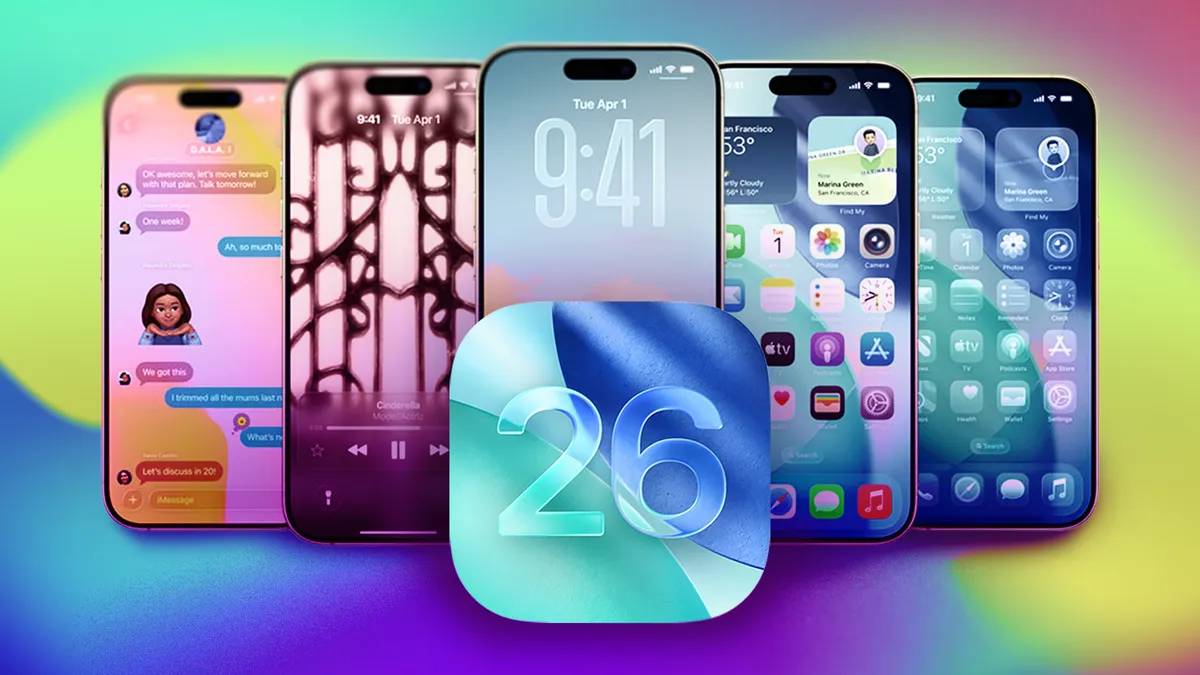
Image Source: CNET

A significant security update is rolling out across Apple’s ecosystem as iOS 26.4.1 automatically enables a critical iPhone protection feature. The change underscores Apple’s increasing focus on proactive device security, signaling a broader shift toward default-on safety mechanisms that strengthen user protection across its global mobile installed base.

The iOS 26.4.1 update includes a bug fix that results in an important iPhone security feature being automatically enabled for users. This adjustment reduces the need for manual activation and ensures broader baseline protection across supported devices.

The update is part of Apple’s ongoing iOS maintenance cycle, which focuses on improving system stability, patching vulnerabilities, and enhancing privacy controls. Key stakeholders include iPhone users, enterprise mobile device managers, and cybersecurity teams relying on Apple’s ecosystem for secure communications. The change reinforces Apple’s approach of embedding security features deeper into default system configurations.

Mobile security has become a central concern in the global technology ecosystem as smartphones increasingly serve as primary devices for communication, financial transactions, and identity management. Apple has consistently positioned iOS as a security-first platform, emphasizing controlled app distribution, encrypted communications, and tightly integrated hardware-software architecture.

Over time, the company has shifted from optional security settings to default-enabled protections, reflecting growing cybersecurity threats such as phishing, spyware, and zero-day exploits. This evolution aligns with broader industry trends where operating systems are becoming more proactive in mitigating risks without requiring user intervention.

The iOS 26.4.1 update reflects this trajectory, reinforcing Apple’s strategy of reducing friction in security adoption. It also highlights the growing importance of automated protection systems in modern mobile operating environments, particularly as cyber threats become more sophisticated and globally distributed.

Cybersecurity analysts suggest that automatic activation of security features represents a significant step toward “secure-by-default” mobile operating systems. Experts note that user-driven activation often results in inconsistent protection levels, leaving many devices partially exposed to known vulnerabilities.

Industry observers highlight that Apple’s approach contrasts with more fragmented Android ecosystems, where security features may vary across manufacturers and device tiers. This consistency strengthens Apple’s positioning in enterprise mobility markets, where standardized security configurations are critical.

While Apple typically does not emphasize individual bug fixes in public communications, security professionals interpret such updates as part of a broader architecture designed to minimize user error and maximize baseline protection. Analysts also suggest that automated security enablement reflects a long-term shift toward invisible security layers embedded within operating system frameworks.

For businesses, the update enhances enterprise security posture by ensuring that critical protections are enabled by default across managed and unmanaged devices. This reduces IT overhead associated with manual configuration and compliance enforcement.

For investors, Apple’s continued focus on security reinforces its premium ecosystem positioning, which remains a key driver of hardware loyalty and services revenue. Consumers benefit from stronger baseline protection without requiring technical intervention.

From a policy perspective, the shift toward automatic security activation may influence regulatory discussions around digital safety standards, particularly in areas involving data privacy, cybersecurity compliance, and consumer protection in mobile ecosystems.

Looking ahead, Apple is expected to further expand default-enabled security features across iOS updates, potentially integrating more AI-driven threat detection and automated risk mitigation systems. The trajectory suggests a move toward fully autonomous mobile security frameworks. Key uncertainties include user transparency, control over security settings, and evolving regulatory expectations around mandatory system-level protections.

Source: CNET
Date: April 2026 (based on publication context; exact date not explicitly stated in provided metadata)

  • Featured tools
Symphony Ayasdi AI
Free

SymphonyAI Sensa is an AI-powered surveillance and financial crime detection platform that surfaces hidden risk behavior through explainable, AI-driven analytics.

#
Finance
Learn more
Hostinger Website Builder
Paid

Hostinger Website Builder is a drag-and-drop website creator bundled with hosting and AI-powered tools, designed for businesses, blogs and small shops with minimal technical effort.It makes launching a site fast and affordable, with templates, responsive design and built-in hosting all in one.

#
Productivity
#
Startup Tools
#
Ecommerce
Learn more

Learn more about future of AI

Join 80,000+ Ai enthusiast getting weekly updates on exciting AI tools.
Thank you! Your submission has been received!
Oops! Something went wrong while submitting the form.

Apple Enables Default iPhone Security in iOS 26.4.1

April 27, 2026

The iOS 26.4.1 update includes a bug fix that results in an important iPhone security feature being automatically enabled for users. This adjustment reduces the need for manual activation and ensures broader baseline protection across supported devices.

Image Source: CNET

A significant security update is rolling out across Apple’s ecosystem as iOS 26.4.1 automatically enables a critical iPhone protection feature. The change underscores Apple’s increasing focus on proactive device security, signaling a broader shift toward default-on safety mechanisms that strengthen user protection across its global mobile installed base.

The iOS 26.4.1 update includes a bug fix that results in an important iPhone security feature being automatically enabled for users. This adjustment reduces the need for manual activation and ensures broader baseline protection across supported devices.

The update is part of Apple’s ongoing iOS maintenance cycle, which focuses on improving system stability, patching vulnerabilities, and enhancing privacy controls. Key stakeholders include iPhone users, enterprise mobile device managers, and cybersecurity teams relying on Apple’s ecosystem for secure communications. The change reinforces Apple’s approach of embedding security features deeper into default system configurations.

Mobile security has become a central concern in the global technology ecosystem as smartphones increasingly serve as primary devices for communication, financial transactions, and identity management. Apple has consistently positioned iOS as a security-first platform, emphasizing controlled app distribution, encrypted communications, and tightly integrated hardware-software architecture.

Over time, the company has shifted from optional security settings to default-enabled protections, reflecting growing cybersecurity threats such as phishing, spyware, and zero-day exploits. This evolution aligns with broader industry trends where operating systems are becoming more proactive in mitigating risks without requiring user intervention.

The iOS 26.4.1 update reflects this trajectory, reinforcing Apple’s strategy of reducing friction in security adoption. It also highlights the growing importance of automated protection systems in modern mobile operating environments, particularly as cyber threats become more sophisticated and globally distributed.

Cybersecurity analysts suggest that automatic activation of security features represents a significant step toward “secure-by-default” mobile operating systems. Experts note that user-driven activation often results in inconsistent protection levels, leaving many devices partially exposed to known vulnerabilities.

Industry observers highlight that Apple’s approach contrasts with more fragmented Android ecosystems, where security features may vary across manufacturers and device tiers. This consistency strengthens Apple’s positioning in enterprise mobility markets, where standardized security configurations are critical.

While Apple typically does not emphasize individual bug fixes in public communications, security professionals interpret such updates as part of a broader architecture designed to minimize user error and maximize baseline protection. Analysts also suggest that automated security enablement reflects a long-term shift toward invisible security layers embedded within operating system frameworks.

For businesses, the update enhances enterprise security posture by ensuring that critical protections are enabled by default across managed and unmanaged devices. This reduces IT overhead associated with manual configuration and compliance enforcement.

For investors, Apple’s continued focus on security reinforces its premium ecosystem positioning, which remains a key driver of hardware loyalty and services revenue. Consumers benefit from stronger baseline protection without requiring technical intervention.

From a policy perspective, the shift toward automatic security activation may influence regulatory discussions around digital safety standards, particularly in areas involving data privacy, cybersecurity compliance, and consumer protection in mobile ecosystems.

Looking ahead, Apple is expected to further expand default-enabled security features across iOS updates, potentially integrating more AI-driven threat detection and automated risk mitigation systems. The trajectory suggests a move toward fully autonomous mobile security frameworks. Key uncertainties include user transparency, control over security settings, and evolving regulatory expectations around mandatory system-level protections.

Source: CNET
Date: April 2026 (based on publication context; exact date not explicitly stated in provided metadata)

Promote Your Tool

Copy Embed Code

Similar Blogs

June 24, 2026
|

Luxembourg Expands Innovation Funding Push

Luxembourg's innovation ecosystem is drawing attention to a broad range of grants and public support mechanisms designed to strengthen business competitiveness.
Read more
June 24, 2026
|

Luxembourg Achieves AI Literacy Milestone

Luxembourg has reached a symbolic benchmark in its national AI education campaign, with approximately 1% of residents completing the Elements of AI course.
Read more
June 24, 2026
|

AI Driven Hiring Transformation Advances

Daniel Stoica has positioned himself at the forefront of efforts to modernize recruitment by addressing structural problems that have long affected employers and job seekers alike.
Read more
June 24, 2026
|

Luxembourg Strengthens Space Innovation Ambitions

The 2026 Asteroid Day Festival is scheduled to return to Luxembourg with a program designed to engage both industry professionals and the public.
Read more
June 24, 2026
|

Luxembourg Tech Ecosystem Gains Momentum

The release of Silicon Luxembourg Magazine’s Summer 2026 edition provides a comprehensive snapshot of the country’s evolving technology ecosystem.
Read more
June 24, 2026
|

Europe Boosts Startup Growth Ambitions

Fit 4 Start has officially opened applications for its 17th cohort, inviting startups operating in areas such as artificial intelligence, digital technologies, health technology, sustainability, and deep-tech innovation.
Read more