
Hollywood AI Divide Deepens Amid Union Pushback

The controversy emerged after members of the Art Directors Guild and creative professionals challenged comments and initiatives perceived as supportive of broader AI adoption in filmmaking.

June 11, 2026
|
Image Source: Forbes

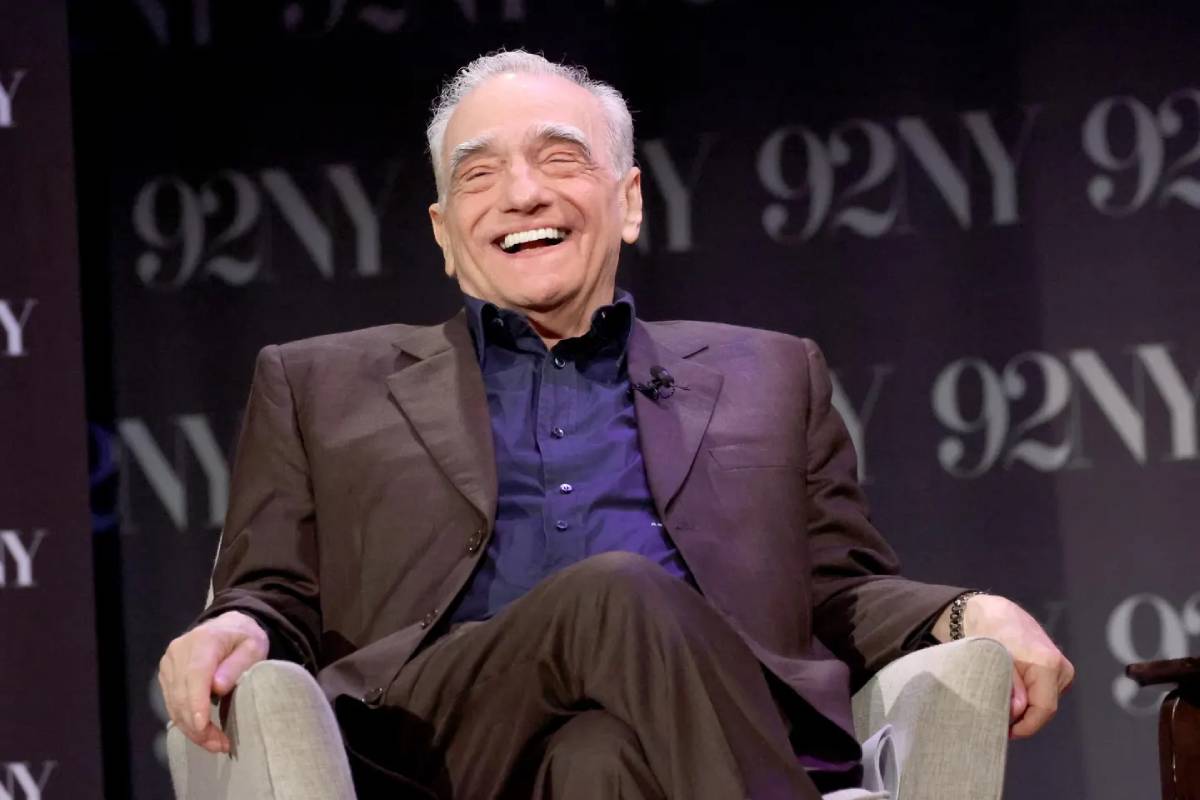
A growing divide over artificial intelligence in the entertainment sector has come into sharper focus after art directors publicly criticized acclaimed filmmaker Martin Scorsese’s stance on AI-related creative experimentation. The dispute highlights escalating tensions between creative professionals, technology advocates, and studio executives as generative AI reshapes production workflows, intellectual property rights, and employment structures across global media industries.

The controversy emerged after members of the Art Directors Guild and creative professionals challenged comments and initiatives perceived as supportive of broader AI adoption in filmmaking. Critics argue that rapid deployment of generative AI tools could undermine artistic labor, reduce employment opportunities, and weaken protections for creative professionals.

Supporters of AI integration, however, contend that emerging technologies can enhance productivity, expand creative possibilities, and lower production costs without replacing human talent entirely.

The dispute reflects a broader industry debate involving filmmakers, unions, studios, technology companies, and policymakers. As AI-generated imagery, visual effects, script assistance, and production design tools become more sophisticated, stakeholders are increasingly divided over how the technology should be governed and integrated into professional workflows.

The issue arrives as entertainment companies continue evaluating AI investments amid mounting economic pressure and competitive disruption. The development aligns with a broader trend across global markets where industries are struggling to balance technological innovation with workforce protection. The entertainment sector has become one of the most visible battlegrounds in the AI debate due to the direct impact of generative tools on creative professions.

Concerns intensified following labor disputes in Hollywood during recent years, when writers, actors, and other creative workers pushed for contractual safeguards against unauthorized AI use. Industry unions have consistently argued that AI systems trained on creative works raise questions about copyright, compensation, and ownership.

Meanwhile, technology providers and some production companies view AI as a transformative force capable of accelerating content creation, improving efficiency, and reducing operational costs. Similar debates are unfolding across publishing, advertising, gaming, music, and design industries.

Historically, entertainment sectors have adapted to major technological shifts from digital editing and CGI to streaming platforms. However, AI differs because it directly influences creative decision-making, making its adoption more contentious than previous technological transitions.

Industry analysts suggest that the dispute reflects a deeper philosophical disagreement about the future role of human creativity in an increasingly automated economy. While some industry leaders view AI as a collaborative tool, labor representatives often see it as a potential threat to artistic careers and bargaining power.

Creative-industry experts note that resistance is not necessarily directed at technology itself but at the speed and governance of implementation. Many professionals support AI-assisted workflows when accompanied by transparency, consent mechanisms, and fair compensation structures.

Labor advocates have emphasized that creators should maintain control over how their work is used to train AI systems. Meanwhile, technology proponents argue that restrictive regulations could limit innovation and reduce the competitiveness of domestic creative industries.

Market observers also note that public disagreements involving prominent cultural figures such as filmmaker Martin Scorsese attract attention because they symbolize broader questions facing the entertainment economy. The debate increasingly centers on whether AI should be viewed primarily as a productivity tool, a creative collaborator, or a disruptive labor force.

For media companies, the controversy underscores the importance of developing AI governance frameworks that balance innovation with workforce concerns. Executives may face increasing pressure to establish transparent policies governing AI-generated content, attribution, and employee protections.

For investors, ongoing labor disputes could influence the pace of AI adoption and affect productivity expectations within entertainment businesses. Companies that successfully navigate both technological advancement and workforce relations may gain a competitive advantage.

For policymakers, the debate reinforces calls for clearer regulations regarding copyright, data usage, transparency, and employment protections. Governments worldwide are already evaluating how existing intellectual property laws apply to generative AI systems.

For creative professionals, the outcome could help define future standards for compensation, licensing, and the use of AI-generated assets throughout production pipelines. The debate is unlikely to subside as AI capabilities continue advancing across filmmaking, design, animation, and visual production. Industry leaders, unions, and regulators will increasingly be forced to address questions surrounding authorship, labor protections, and creative ownership.

Decision-makers should closely monitor upcoming labor negotiations, regulatory developments, and studio AI adoption strategies. The future of AI in entertainment may ultimately depend not on technological capability alone, but on whether stakeholders can establish a sustainable framework that preserves both innovation and creative livelihoods.

Source: Forbes
Date: June 2026

  • Featured tools
Beautiful AI
Free

Beautiful AI is an AI-powered presentation platform that automates slide design and formatting, enabling users to create polished, on-brand presentations quickly.

#
Presentation
Learn more
Figstack AI
Free

Figstack AI is an intelligent assistant for developers that explains code, generates docstrings, converts code between languages, and analyzes time complexity helping you work smarter, not harder.

#
Coding
Learn more

Learn more about future of AI

Join 80,000+ Ai enthusiast getting weekly updates on exciting AI tools.
Thank you! Your submission has been received!
Oops! Something went wrong while submitting the form.

Hollywood AI Divide Deepens Amid Union Pushback

June 11, 2026

The controversy emerged after members of the Art Directors Guild and creative professionals challenged comments and initiatives perceived as supportive of broader AI adoption in filmmaking.

Image Source: Forbes

A growing divide over artificial intelligence in the entertainment sector has come into sharper focus after art directors publicly criticized acclaimed filmmaker Martin Scorsese’s stance on AI-related creative experimentation. The dispute highlights escalating tensions between creative professionals, technology advocates, and studio executives as generative AI reshapes production workflows, intellectual property rights, and employment structures across global media industries.

The controversy emerged after members of the Art Directors Guild and creative professionals challenged comments and initiatives perceived as supportive of broader AI adoption in filmmaking. Critics argue that rapid deployment of generative AI tools could undermine artistic labor, reduce employment opportunities, and weaken protections for creative professionals.

Supporters of AI integration, however, contend that emerging technologies can enhance productivity, expand creative possibilities, and lower production costs without replacing human talent entirely.

The dispute reflects a broader industry debate involving filmmakers, unions, studios, technology companies, and policymakers. As AI-generated imagery, visual effects, script assistance, and production design tools become more sophisticated, stakeholders are increasingly divided over how the technology should be governed and integrated into professional workflows.

The issue arrives as entertainment companies continue evaluating AI investments amid mounting economic pressure and competitive disruption. The development aligns with a broader trend across global markets where industries are struggling to balance technological innovation with workforce protection. The entertainment sector has become one of the most visible battlegrounds in the AI debate due to the direct impact of generative tools on creative professions.

Concerns intensified following labor disputes in Hollywood during recent years, when writers, actors, and other creative workers pushed for contractual safeguards against unauthorized AI use. Industry unions have consistently argued that AI systems trained on creative works raise questions about copyright, compensation, and ownership.

Meanwhile, technology providers and some production companies view AI as a transformative force capable of accelerating content creation, improving efficiency, and reducing operational costs. Similar debates are unfolding across publishing, advertising, gaming, music, and design industries.

Historically, entertainment sectors have adapted to major technological shifts from digital editing and CGI to streaming platforms. However, AI differs because it directly influences creative decision-making, making its adoption more contentious than previous technological transitions.

Industry analysts suggest that the dispute reflects a deeper philosophical disagreement about the future role of human creativity in an increasingly automated economy. While some industry leaders view AI as a collaborative tool, labor representatives often see it as a potential threat to artistic careers and bargaining power.

Creative-industry experts note that resistance is not necessarily directed at technology itself but at the speed and governance of implementation. Many professionals support AI-assisted workflows when accompanied by transparency, consent mechanisms, and fair compensation structures.

Labor advocates have emphasized that creators should maintain control over how their work is used to train AI systems. Meanwhile, technology proponents argue that restrictive regulations could limit innovation and reduce the competitiveness of domestic creative industries.

Market observers also note that public disagreements involving prominent cultural figures such as filmmaker Martin Scorsese attract attention because they symbolize broader questions facing the entertainment economy. The debate increasingly centers on whether AI should be viewed primarily as a productivity tool, a creative collaborator, or a disruptive labor force.

For media companies, the controversy underscores the importance of developing AI governance frameworks that balance innovation with workforce concerns. Executives may face increasing pressure to establish transparent policies governing AI-generated content, attribution, and employee protections.

For investors, ongoing labor disputes could influence the pace of AI adoption and affect productivity expectations within entertainment businesses. Companies that successfully navigate both technological advancement and workforce relations may gain a competitive advantage.

For policymakers, the debate reinforces calls for clearer regulations regarding copyright, data usage, transparency, and employment protections. Governments worldwide are already evaluating how existing intellectual property laws apply to generative AI systems.

For creative professionals, the outcome could help define future standards for compensation, licensing, and the use of AI-generated assets throughout production pipelines. The debate is unlikely to subside as AI capabilities continue advancing across filmmaking, design, animation, and visual production. Industry leaders, unions, and regulators will increasingly be forced to address questions surrounding authorship, labor protections, and creative ownership.

Decision-makers should closely monitor upcoming labor negotiations, regulatory developments, and studio AI adoption strategies. The future of AI in entertainment may ultimately depend not on technological capability alone, but on whether stakeholders can establish a sustainable framework that preserves both innovation and creative livelihoods.

Source: Forbes
Date: June 2026

Promote Your Tool

Copy Embed Code

Similar Blogs

June 11, 2026
|

Best Wix Design Services in USA

In today's market, a Wix website is often the first and most enduring impression a business makes on potential clients, partners, and investors.
Read more
June 11, 2026
|

Best Squarespace Designers & Squarespace Developers in USA

Across studios of different sizes, locations, and client focuses, the strongest Squarespace designers and developers in the United States share a consistent set of qualities. They lead personally, staying involved in the work rather than delegating it entirely to junior team members.
Read more
June 11, 2026
|

Best Web Designers in USA

The DC metropolitan area creates a distinctive context for web design. Unlike cities where commercial technology or consumer products dominate the design brief, Washington's ecosystem is filled with organizations whose primary currency is trust.
Read more
June 11, 2026
|

Logitech Mobi Mouse Balances Portability Ergonomics

The Logitech Mobi Fold Mouse introduces a compact folding mechanism that allows users to flatten the device for easy storage and portability.
Read more
June 11, 2026
|

Apple Builds Siri for Smart Glasses

Apple is evolving Siri from a device-based assistant into a system-wide intelligence layer expected to power future smart glasses.
Read more
June 11, 2026
|

Amazon Discounts Kids Tablets to Boost

Amazon has introduced a limited-time promotion offering its Fire 7 Kids Tablet at half its regular retail price. The discount arrives ahead of peak summer travel and vacation periods.
Read more