
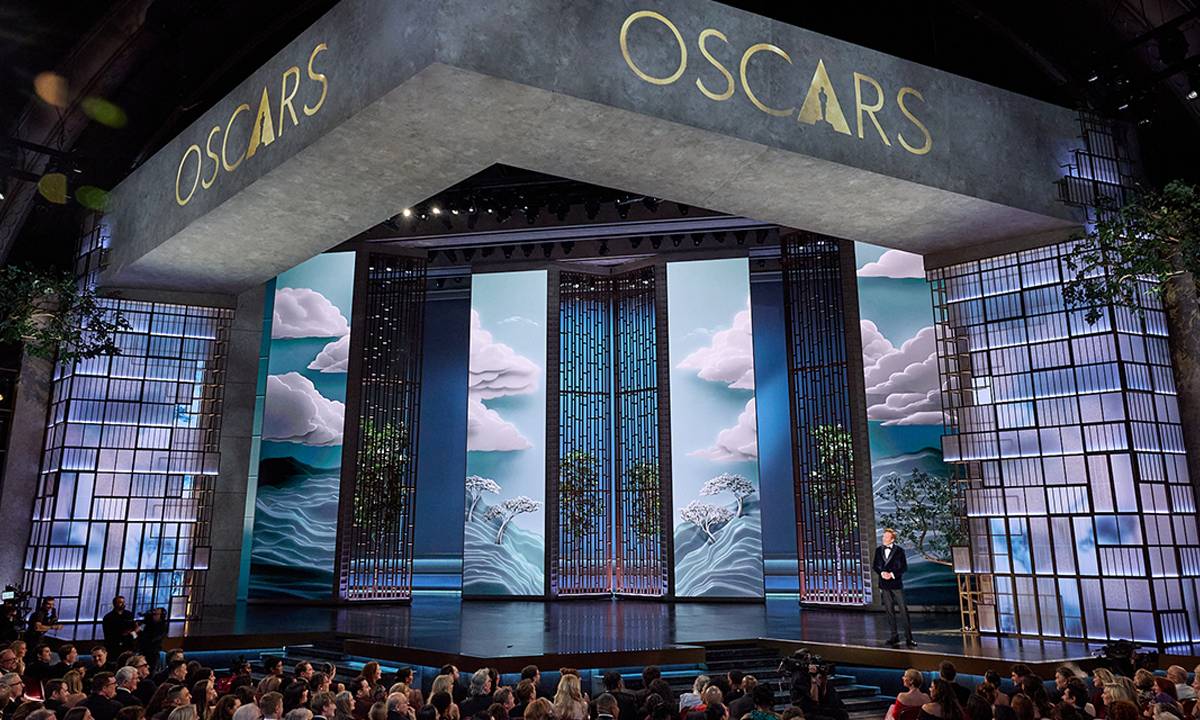
Hollywood Faces AI Disruption and Automation

Artificial intelligence tools are increasingly being integrated into film production, supporting tasks ranging from script development and editing to visual effects and post-production.

March 17, 2026
|

A growing intersection between artificial intelligence and filmmaking is reshaping Hollywood’s creative and operational landscape, as industry leaders balance humor with rising concern. What may appear as novelty today signals a deeper transformation, with implications for production workflows, labor dynamics, and the future economics of global entertainment.

Artificial intelligence tools are increasingly being integrated into film production, supporting tasks ranging from script development and editing to visual effects and post-production. While some industry voices initially dismissed AI’s role with skepticism or humor, adoption is accelerating across studios and independent creators.

Major stakeholders including studios, production houses, and technology firms are actively testing AI-driven workflows to improve efficiency and reduce costs. This shift comes amid ongoing discussions around labor rights, creative ownership, and intellectual property.

The trend is unfolding alongside broader negotiations between industry unions and studios, highlighting concerns over job displacement and the ethical use of machine-generated content in filmmaking. The emergence of AI in Hollywood reflects a broader transformation underway across global creative industries, where automation is redefining traditional roles. From music and publishing to advertising and gaming, generative AI tools are increasingly capable of producing high-quality creative outputs at scale.

In film, this evolution builds on decades of technological disruption from CGI advancements to digital streaming platforms. However, AI introduces a fundamentally different shift by potentially automating not just technical processes, but elements of storytelling itself.

Recent labor strikes in the entertainment sector have already underscored tensions around digital replication, residuals, and job security. The integration of AI adds a new layer of complexity, particularly as studios seek to optimize production costs while maintaining creative quality. This development aligns with a broader global race to harness AI capabilities, positioning the entertainment sector as a critical testing ground for human-machine collaboration.

Industry analysts suggest that while AI will not fully replace human creativity, it will significantly augment production pipelines. Experts argue that the real disruption lies in efficiency gains reducing time spent on editing, visual rendering, and even early-stage script drafting.

Creative professionals, however, remain cautious. Many emphasize that storytelling requires emotional depth, cultural nuance, and human experience areas where AI still has limitations. Industry voices also warn of risks tied to data usage, copyright infringement, and the potential commoditization of creative work.

Policy experts point to the need for clearer regulatory frameworks governing AI-generated content, particularly around ownership and compensation. Without such safeguards, tensions between studios, creators, and technology providers could intensify. Overall, sentiment across the industry reflects a mix of cautious optimism and structural concern.

For global executives, AI’s entry into filmmaking signals a shift toward more cost-efficient and scalable production models. Studios may increasingly rely on hybrid workflows that combine human creativity with machine-driven execution.

Investors are likely to view AI-enabled production as a margin-enhancing opportunity, particularly in an industry known for high costs and unpredictable returns. However, reputational and legal risks remain significant.

From a policy standpoint, regulators face mounting pressure to address intellectual property rights, labor protections, and transparency in AI-generated media. Companies operating in this space may need to reassess compliance frameworks and workforce strategies to remain competitive and socially responsible.

Looking ahead, the role of AI in Hollywood is expected to expand rapidly, with early adopters gaining a competitive edge. Decision-makers should closely monitor regulatory developments, labor negotiations, and technological advancements.

The key uncertainty remains how the industry will strike a balance between innovation and creative integrity. As AI moves from experiment to infrastructure, its long-term impact will depend on governance, adoption strategy, and public acceptance.

Source: PYMNTS
Date: 2026

  • Featured tools
Tome AI
Free

Tome AI is an AI-powered storytelling and presentation tool designed to help users create compelling narratives and presentations quickly and efficiently. It leverages advanced AI technologies to generate content, images, and animations based on user input.

#
Presentation
#
Startup Tools
Learn more
Symphony Ayasdi AI
Free

SymphonyAI Sensa is an AI-powered surveillance and financial crime detection platform that surfaces hidden risk behavior through explainable, AI-driven analytics.

#
Finance
Learn more

Learn more about future of AI

Join 80,000+ Ai enthusiast getting weekly updates on exciting AI tools.
Thank you! Your submission has been received!
Oops! Something went wrong while submitting the form.

Hollywood Faces AI Disruption and Automation

March 17, 2026

Artificial intelligence tools are increasingly being integrated into film production, supporting tasks ranging from script development and editing to visual effects and post-production.

A growing intersection between artificial intelligence and filmmaking is reshaping Hollywood’s creative and operational landscape, as industry leaders balance humor with rising concern. What may appear as novelty today signals a deeper transformation, with implications for production workflows, labor dynamics, and the future economics of global entertainment.

Artificial intelligence tools are increasingly being integrated into film production, supporting tasks ranging from script development and editing to visual effects and post-production. While some industry voices initially dismissed AI’s role with skepticism or humor, adoption is accelerating across studios and independent creators.

Major stakeholders including studios, production houses, and technology firms are actively testing AI-driven workflows to improve efficiency and reduce costs. This shift comes amid ongoing discussions around labor rights, creative ownership, and intellectual property.

The trend is unfolding alongside broader negotiations between industry unions and studios, highlighting concerns over job displacement and the ethical use of machine-generated content in filmmaking. The emergence of AI in Hollywood reflects a broader transformation underway across global creative industries, where automation is redefining traditional roles. From music and publishing to advertising and gaming, generative AI tools are increasingly capable of producing high-quality creative outputs at scale.

In film, this evolution builds on decades of technological disruption from CGI advancements to digital streaming platforms. However, AI introduces a fundamentally different shift by potentially automating not just technical processes, but elements of storytelling itself.

Recent labor strikes in the entertainment sector have already underscored tensions around digital replication, residuals, and job security. The integration of AI adds a new layer of complexity, particularly as studios seek to optimize production costs while maintaining creative quality. This development aligns with a broader global race to harness AI capabilities, positioning the entertainment sector as a critical testing ground for human-machine collaboration.

Industry analysts suggest that while AI will not fully replace human creativity, it will significantly augment production pipelines. Experts argue that the real disruption lies in efficiency gains reducing time spent on editing, visual rendering, and even early-stage script drafting.

Creative professionals, however, remain cautious. Many emphasize that storytelling requires emotional depth, cultural nuance, and human experience areas where AI still has limitations. Industry voices also warn of risks tied to data usage, copyright infringement, and the potential commoditization of creative work.

Policy experts point to the need for clearer regulatory frameworks governing AI-generated content, particularly around ownership and compensation. Without such safeguards, tensions between studios, creators, and technology providers could intensify. Overall, sentiment across the industry reflects a mix of cautious optimism and structural concern.

For global executives, AI’s entry into filmmaking signals a shift toward more cost-efficient and scalable production models. Studios may increasingly rely on hybrid workflows that combine human creativity with machine-driven execution.

Investors are likely to view AI-enabled production as a margin-enhancing opportunity, particularly in an industry known for high costs and unpredictable returns. However, reputational and legal risks remain significant.

From a policy standpoint, regulators face mounting pressure to address intellectual property rights, labor protections, and transparency in AI-generated media. Companies operating in this space may need to reassess compliance frameworks and workforce strategies to remain competitive and socially responsible.

Looking ahead, the role of AI in Hollywood is expected to expand rapidly, with early adopters gaining a competitive edge. Decision-makers should closely monitor regulatory developments, labor negotiations, and technological advancements.

The key uncertainty remains how the industry will strike a balance between innovation and creative integrity. As AI moves from experiment to infrastructure, its long-term impact will depend on governance, adoption strategy, and public acceptance.

Source: PYMNTS
Date: 2026

Promote Your Tool

Copy Embed Code

Similar Blogs

March 17, 2026
|

Picsart Launches Agent Marketplace for Creators

The new marketplace offers a selection of AI-powered assistants with specialized capabilities from image editing and video enhancement to social media content optimization.
Read more
March 17, 2026
|

Dell NVIDIA DataRobot Launch Enterprise AI Factory

The Dell AI Factory combines hardware, software, and AI orchestration to deliver end-to-end enterprise AI solutions. NVIDIA provides high-performance GPU infrastructure.
Read more
March 17, 2026
|

ZeroSlop Launches AI SponsorBlock on X

ZeroSlop’s new platform acts like a “SponsorBlock for AI,” allowing users to skip low-value AI-generated segments in posts and threads.
Read more
March 17, 2026
|

CoreWeave Emerges as AI Powerhouse

CoreWeave has positioned itself at the center of the AI boom through a series of high-value deals. The company reportedly holds a $19.4 billion agreement with Microsoft to supply AI cloud infrastructure.
Read more
March 17, 2026
|

IQVIA Launches Agentic AI Platform with NVIDIA

The newly unveiled IQVIA.ai platform integrates advanced AI agents, data analytics, and domain-specific models to streamline workflows across clinical trials, commercialization, and regulatory processes.
Read more
March 17, 2026
|

Hollywood Faces AI Disruption and Automation

Artificial intelligence tools are increasingly being integrated into film production, supporting tasks ranging from script development and editing to visual effects and post-production.
Read more