
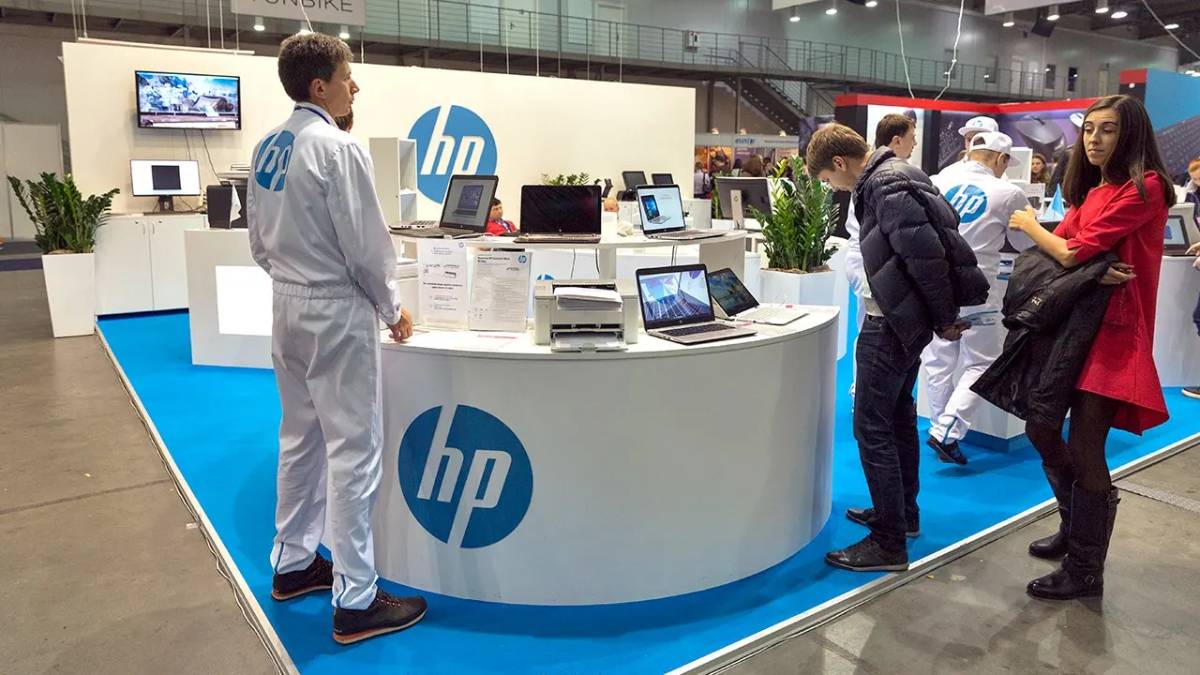
HP Rolls Out AI Enhancements, Challenges Apple

HP’s updates introduce AI-powered features for PCs, printers, and enterprise software, including generative AI capabilities, predictive analytics, and automation tools designed to enhance productivity.

March 30, 2026
|

A major development unfolded as HP Inc. announced a suite of AI updates across its devices and enterprise solutions. The move signals a strategic push to embed AI tools into everyday workflows, challenging competitors like Apple, and highlighting the growing importance of AI platforms in shaping hardware, software, and enterprise innovation globally.

HP’s updates introduce AI-powered features for PCs, printers, and enterprise software, including generative AI capabilities, predictive analytics, and automation tools designed to enhance productivity. The enhancements are scheduled for phased rollout starting in mid-2026.

Major stakeholders include enterprise clients, IT managers, investors, and consumers adopting AI-enabled solutions. HP also emphasized interoperability with AI platforms and third-party applications, signaling a broader ecosystem approach.

Analysts view the initiative as HP’s response to intensifying AI competition, particularly from Apple’s hardware-software integration. The updates position HP to capture market share in both enterprise and consumer segments, leveraging AI to differentiate its offerings.

The development aligns with a broader trend across global markets where technology companies are embedding AI platforms into core hardware and enterprise solutions. AI adoption is increasingly central to competitiveness, influencing operational efficiency, product innovation, and customer engagement.

Historically, HP has focused on hardware leadership, but this initiative represents a shift toward AI-driven differentiation. By integrating AI tools into devices and workflows, HP aims to increase user productivity, drive enterprise adoption, and expand revenue streams.

The move also reflects competitive pressures from Apple and other tech giants, who have prioritized AI integration across devices and ecosystems. Market analysts highlight that firms combining AI platforms with robust hardware solutions are better positioned to capture the next wave of digital transformation in enterprise and consumer technology sectors.

Industry analysts note that HP’s AI updates could redefine enterprise productivity benchmarks. Integrating AI platforms into familiar hardware allows businesses to automate repetitive tasks, improve decision-making, and accelerate workflows.

HP’s executives emphasized that the updates are part of a multi-year strategy to strengthen device intelligence and enterprise solutions, while maintaining compatibility with existing IT infrastructures. Observers highlight that AI-enhanced hardware is becoming a critical differentiator for buyers, particularly in enterprise environments where efficiency gains translate directly into ROI.

Market watchers predict increased competition with Apple, as AI platforms become central to customer engagement and device ecosystems. Analysts suggest that companies adopting AI-enabled devices early may gain strategic advantages in operations, talent productivity, and digital innovation, while competitors may need to accelerate AI integration to maintain relevance.

For businesses, HP’s AI updates provide opportunities to enhance efficiency, leverage AI platforms for predictive analytics, and streamline enterprise workflows. Early adoption may offer operational advantages in productivity and innovation.

Investors could interpret the launch as a signal of HP’s commitment to AI-driven growth, potentially influencing valuations and strategic positioning. Consumers may benefit from smarter, more intuitive devices, while competitors face pressure to match AI capabilities.

From a policy perspective, wider AI integration in devices raises questions about data privacy, security, and ethical AI use. Regulatory agencies may monitor how AI tools in hardware and enterprise platforms are deployed, ensuring compliance with emerging AI governance frameworks.

Looking ahead, HP is expected to expand AI features across its product portfolio, refine platform integrations, and monitor adoption metrics across enterprise and consumer segments. Decision-makers should track competitive responses from Apple and other hardware leaders.

Firms that effectively leverage AI-enhanced devices may gain strategic operational advantages, while regulators and stakeholders will continue to focus on responsible AI deployment, data protection, and enterprise transparency.

Source: Barron’s
Date: March 24, 2026

  • Featured tools
Beautiful AI
Free

Beautiful AI is an AI-powered presentation platform that automates slide design and formatting, enabling users to create polished, on-brand presentations quickly.

#
Presentation
Learn more
Upscayl AI
Free

Upscayl AI is a free, open-source AI-powered tool that enhances and upscales images to higher resolutions. It transforms blurry or low-quality visuals into sharp, detailed versions with ease.

#
Productivity
Learn more

Learn more about future of AI

Join 80,000+ Ai enthusiast getting weekly updates on exciting AI tools.
Thank you! Your submission has been received!
Oops! Something went wrong while submitting the form.

HP Rolls Out AI Enhancements, Challenges Apple

March 30, 2026

HP’s updates introduce AI-powered features for PCs, printers, and enterprise software, including generative AI capabilities, predictive analytics, and automation tools designed to enhance productivity.

A major development unfolded as HP Inc. announced a suite of AI updates across its devices and enterprise solutions. The move signals a strategic push to embed AI tools into everyday workflows, challenging competitors like Apple, and highlighting the growing importance of AI platforms in shaping hardware, software, and enterprise innovation globally.

HP’s updates introduce AI-powered features for PCs, printers, and enterprise software, including generative AI capabilities, predictive analytics, and automation tools designed to enhance productivity. The enhancements are scheduled for phased rollout starting in mid-2026.

Major stakeholders include enterprise clients, IT managers, investors, and consumers adopting AI-enabled solutions. HP also emphasized interoperability with AI platforms and third-party applications, signaling a broader ecosystem approach.

Analysts view the initiative as HP’s response to intensifying AI competition, particularly from Apple’s hardware-software integration. The updates position HP to capture market share in both enterprise and consumer segments, leveraging AI to differentiate its offerings.

The development aligns with a broader trend across global markets where technology companies are embedding AI platforms into core hardware and enterprise solutions. AI adoption is increasingly central to competitiveness, influencing operational efficiency, product innovation, and customer engagement.

Historically, HP has focused on hardware leadership, but this initiative represents a shift toward AI-driven differentiation. By integrating AI tools into devices and workflows, HP aims to increase user productivity, drive enterprise adoption, and expand revenue streams.

The move also reflects competitive pressures from Apple and other tech giants, who have prioritized AI integration across devices and ecosystems. Market analysts highlight that firms combining AI platforms with robust hardware solutions are better positioned to capture the next wave of digital transformation in enterprise and consumer technology sectors.

Industry analysts note that HP’s AI updates could redefine enterprise productivity benchmarks. Integrating AI platforms into familiar hardware allows businesses to automate repetitive tasks, improve decision-making, and accelerate workflows.

HP’s executives emphasized that the updates are part of a multi-year strategy to strengthen device intelligence and enterprise solutions, while maintaining compatibility with existing IT infrastructures. Observers highlight that AI-enhanced hardware is becoming a critical differentiator for buyers, particularly in enterprise environments where efficiency gains translate directly into ROI.

Market watchers predict increased competition with Apple, as AI platforms become central to customer engagement and device ecosystems. Analysts suggest that companies adopting AI-enabled devices early may gain strategic advantages in operations, talent productivity, and digital innovation, while competitors may need to accelerate AI integration to maintain relevance.

For businesses, HP’s AI updates provide opportunities to enhance efficiency, leverage AI platforms for predictive analytics, and streamline enterprise workflows. Early adoption may offer operational advantages in productivity and innovation.

Investors could interpret the launch as a signal of HP’s commitment to AI-driven growth, potentially influencing valuations and strategic positioning. Consumers may benefit from smarter, more intuitive devices, while competitors face pressure to match AI capabilities.

From a policy perspective, wider AI integration in devices raises questions about data privacy, security, and ethical AI use. Regulatory agencies may monitor how AI tools in hardware and enterprise platforms are deployed, ensuring compliance with emerging AI governance frameworks.

Looking ahead, HP is expected to expand AI features across its product portfolio, refine platform integrations, and monitor adoption metrics across enterprise and consumer segments. Decision-makers should track competitive responses from Apple and other hardware leaders.

Firms that effectively leverage AI-enhanced devices may gain strategic operational advantages, while regulators and stakeholders will continue to focus on responsible AI deployment, data protection, and enterprise transparency.

Source: Barron’s
Date: March 24, 2026

Promote Your Tool

Copy Embed Code

Similar Blogs

August 10, 2026
|

Content Marketing Software Accelerates Enterprise Growth

The content marketing software category encompasses platforms designed to support multiple stages of the marketing lifecycle, including content planning, creation, collaboration, distribution, optimization and performance measurement.
Read more
August 10, 2026
|

3D Printing Software Drives Manufacturing Transformation

3D printing software encompasses a broad range of capabilities designed to support the additive manufacturing lifecycle. Platforms can assist with three-dimensional modeling, file preparation, slicing, print optimization.
Read more
August 10, 2026
|

ZenDMS Advances Enterprise Document Management

ZenDMS is positioned within the document management software segment, where businesses increasingly require centralized tools to store, organize and retrieve critical information.
Read more
August 10, 2026
|

SmartSimple Cloud Advances Grant Management Automation

SmartSimple Cloud is positioned as a configurable cloud platform designed to support grant management, corporate social responsibility, scholarship programs, awards and other complex funding workflows.
Read more
August 10, 2026
|

HaloPSA Accelerates Integrated Service Management

HaloPSA brings multiple professional services automation capabilities into a centralized environment, including service desk management, ticketing, contract management, asset tracking, project management.
Read more
August 10, 2026
|

Ministry Scheduler Pro Advances Workforce Coordination

Ministry Scheduler Pro is designed to support organizations that coordinate volunteers, employees and recurring assignments across multiple activities and locations.
Read more