
Incentive Software Reshapes Enterprise Performance Management

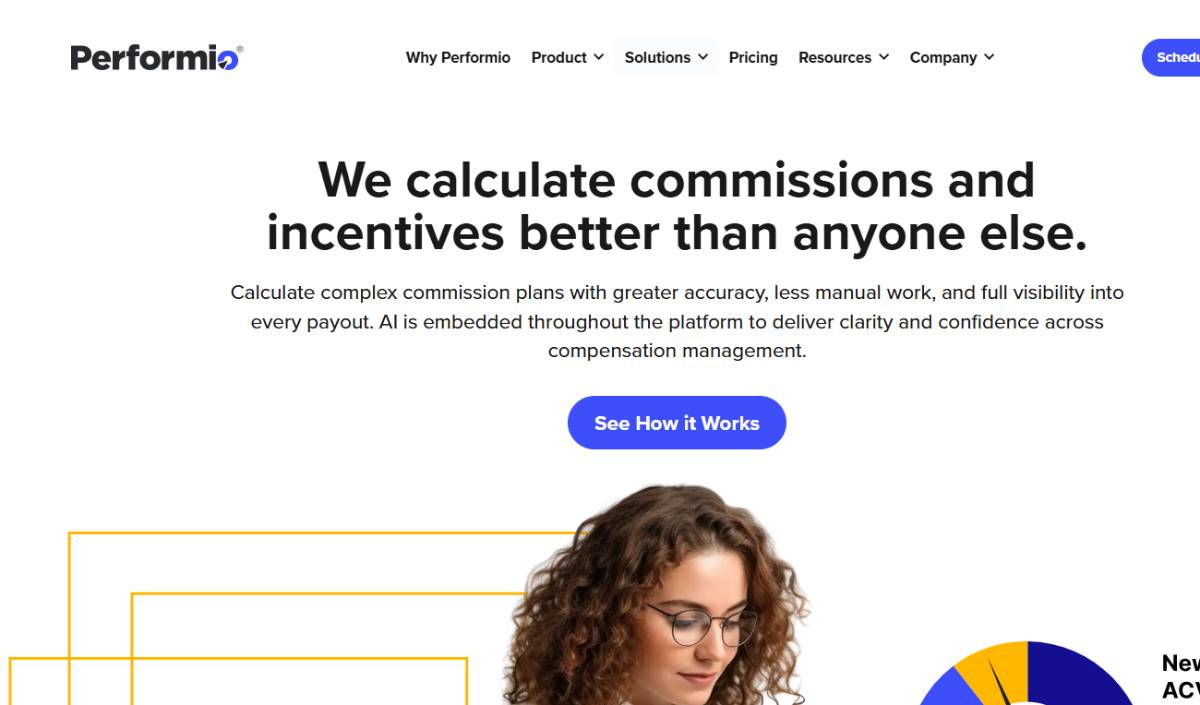
The incentive compensation management market is centered on software designed to automate the planning, calculation and administration of performance-based compensation.

August 10, 2026
|

Incentive compensation management is becoming a strategic priority as enterprises seek stronger links between employee performance, sales outcomes and business growth. Modern compensation platforms help organizations automate complex incentive calculations, improve payout accuracy and provide greater visibility into compensation programs, affecting sales teams, finance leaders, HR departments and senior executives.

The incentive compensation management market is centered on software designed to automate the planning, calculation and administration of performance-based compensation. Organizations can use these platforms to manage commission structures, bonus programs, quotas, targets and payout calculations.

The technology addresses a persistent enterprise challenge: compensation programs can become difficult to manage as organizations expand across products, territories, currencies and employee groups.

Automation can reduce manual spreadsheet-based processes while providing greater consistency and transparency. For sales organizations in particular, accurate and timely compensation calculations can influence employee motivation and confidence in the company's reward structure.

The growing adoption of analytics and workflow automation is further moving compensation management toward a more data-driven operating model. The development aligns with a broader trend across global enterprises where compensation is increasingly viewed as a strategic lever rather than a back-office administrative function. Companies are under pressure to attract and retain high-performing employees while ensuring compensation programs support broader commercial objectives.

Sales organizations face particular complexity because compensation can depend on multiple variables, including revenue, margins, product categories, customer segments, territories and performance thresholds. As these structures become more sophisticated, manual calculations can create errors, disputes and delays.

Global organizations also need to manage compensation across different currencies, tax environments and regulatory requirements. This makes centralized technology increasingly valuable for finance and HR leadership.

The rise of artificial intelligence and advanced analytics could further change the category by enabling organizations to model compensation scenarios, identify unusual payout patterns and evaluate whether incentive plans are producing the intended behaviors. The strategic objective is increasingly to connect compensation design with measurable business performance.

Industry experts generally emphasize that effective incentive programs require alignment between employee behavior and organizational strategy. A compensation plan that rewards the wrong metrics can increase costs without generating sustainable growth.

For finance and HR leaders, automation provides an opportunity to improve governance while reducing the operational burden associated with complex compensation structures. Centralized systems can establish consistent calculation rules, approval workflows and audit trails.

Sales executives also benefit from greater visibility. When employees can understand how targets translate into compensation, organizations may reduce disputes and improve confidence in incentive programs.

However, technology alone cannot solve poorly designed compensation structures. Executives must regularly evaluate whether incentives encourage profitable growth, customer retention and other strategic outcomes rather than simply maximizing short-term volume.

As businesses introduce AI into compensation processes, analysts will also focus on transparency, data quality and governance. Compensation decisions can directly affect employees' earnings, making accuracy and explainability especially important.

For businesses, incentive compensation software can improve operational efficiency, reduce calculation errors and provide executives with stronger visibility into compensation costs. Sales organizations may gain faster access to commission information, while finance teams can improve forecasting and reconciliation.

Investors may view effective incentive governance as an indicator of disciplined cost management and stronger alignment between workforce rewards and corporate objectives. For employees, transparent compensation calculations can improve trust, although poorly configured systems could create new disputes if underlying rules or data are inaccurate.

From a policy perspective, organizations must ensure incentive programs comply with employment, tax, financial-reporting and compensation regulations across relevant jurisdictions. Strong audit controls and data governance will therefore remain essential as enterprises increasingly automate compensation management.

The next phase of incentive compensation management is likely to combine automation, predictive analytics and AI-assisted planning. Enterprises will increasingly evaluate not only whether commissions are calculated correctly, but whether incentive structures actually drive profitable and sustainable performance. Decision-makers should monitor integration capabilities, reporting accuracy, governance, scalability and employee transparency. Compensation technology is moving toward becoming a strategic management system rather than simply a payroll-support function.

Source: Crozdesk
Date: August 10, 2026

  • Featured tools
Tome AI
Free

Tome AI is an AI-powered storytelling and presentation tool designed to help users create compelling narratives and presentations quickly and efficiently. It leverages advanced AI technologies to generate content, images, and animations based on user input.

#
Presentation
#
Startup Tools
Learn more
Murf Ai
Free

Murf AI Review – Advanced AI Voice Generator for Realistic Voiceovers

#
Text to Speech
Learn more

Learn more about future of AI

Join 80,000+ Ai enthusiast getting weekly updates on exciting AI tools.
Thank you! Your submission has been received!
Oops! Something went wrong while submitting the form.

Incentive Software Reshapes Enterprise Performance Management

August 10, 2026

The incentive compensation management market is centered on software designed to automate the planning, calculation and administration of performance-based compensation.

Incentive compensation management is becoming a strategic priority as enterprises seek stronger links between employee performance, sales outcomes and business growth. Modern compensation platforms help organizations automate complex incentive calculations, improve payout accuracy and provide greater visibility into compensation programs, affecting sales teams, finance leaders, HR departments and senior executives.

The incentive compensation management market is centered on software designed to automate the planning, calculation and administration of performance-based compensation. Organizations can use these platforms to manage commission structures, bonus programs, quotas, targets and payout calculations.

The technology addresses a persistent enterprise challenge: compensation programs can become difficult to manage as organizations expand across products, territories, currencies and employee groups.

Automation can reduce manual spreadsheet-based processes while providing greater consistency and transparency. For sales organizations in particular, accurate and timely compensation calculations can influence employee motivation and confidence in the company's reward structure.

The growing adoption of analytics and workflow automation is further moving compensation management toward a more data-driven operating model. The development aligns with a broader trend across global enterprises where compensation is increasingly viewed as a strategic lever rather than a back-office administrative function. Companies are under pressure to attract and retain high-performing employees while ensuring compensation programs support broader commercial objectives.

Sales organizations face particular complexity because compensation can depend on multiple variables, including revenue, margins, product categories, customer segments, territories and performance thresholds. As these structures become more sophisticated, manual calculations can create errors, disputes and delays.

Global organizations also need to manage compensation across different currencies, tax environments and regulatory requirements. This makes centralized technology increasingly valuable for finance and HR leadership.

The rise of artificial intelligence and advanced analytics could further change the category by enabling organizations to model compensation scenarios, identify unusual payout patterns and evaluate whether incentive plans are producing the intended behaviors. The strategic objective is increasingly to connect compensation design with measurable business performance.

Industry experts generally emphasize that effective incentive programs require alignment between employee behavior and organizational strategy. A compensation plan that rewards the wrong metrics can increase costs without generating sustainable growth.

For finance and HR leaders, automation provides an opportunity to improve governance while reducing the operational burden associated with complex compensation structures. Centralized systems can establish consistent calculation rules, approval workflows and audit trails.

Sales executives also benefit from greater visibility. When employees can understand how targets translate into compensation, organizations may reduce disputes and improve confidence in incentive programs.

However, technology alone cannot solve poorly designed compensation structures. Executives must regularly evaluate whether incentives encourage profitable growth, customer retention and other strategic outcomes rather than simply maximizing short-term volume.

As businesses introduce AI into compensation processes, analysts will also focus on transparency, data quality and governance. Compensation decisions can directly affect employees' earnings, making accuracy and explainability especially important.

For businesses, incentive compensation software can improve operational efficiency, reduce calculation errors and provide executives with stronger visibility into compensation costs. Sales organizations may gain faster access to commission information, while finance teams can improve forecasting and reconciliation.

Investors may view effective incentive governance as an indicator of disciplined cost management and stronger alignment between workforce rewards and corporate objectives. For employees, transparent compensation calculations can improve trust, although poorly configured systems could create new disputes if underlying rules or data are inaccurate.

From a policy perspective, organizations must ensure incentive programs comply with employment, tax, financial-reporting and compensation regulations across relevant jurisdictions. Strong audit controls and data governance will therefore remain essential as enterprises increasingly automate compensation management.

The next phase of incentive compensation management is likely to combine automation, predictive analytics and AI-assisted planning. Enterprises will increasingly evaluate not only whether commissions are calculated correctly, but whether incentive structures actually drive profitable and sustainable performance. Decision-makers should monitor integration capabilities, reporting accuracy, governance, scalability and employee transparency. Compensation technology is moving toward becoming a strategic management system rather than simply a payroll-support function.

Source: Crozdesk
Date: August 10, 2026

Promote Your Tool

Copy Embed Code

Similar Blogs

August 10, 2026
|

Vendor Platforms Accelerate Enterprise Risk Automation

The three platforms represent different approaches to enterprise process management. VendorInsight focuses on vendor governance, compliance oversight, due diligence and third-party risk management, areas that are becoming increasingly important for regulated organizations.
Read more
August 10, 2026
|

BuildBook Advances Construction Project Management

BuildBook combines construction CRM, estimating, proposals and project-management capabilities within one platform. Its tools include custom estimates, branded proposals, price books, project budgets.
Read more
August 10, 2026
|

Readymode Strengthens AI Outbound Sales Operations

Readymode combines predictive dialing, inbound and outbound calling, CRM functionality, reporting and analytics within a unified platform.
Read more
August 10, 2026
|

Employee Engagement Software Reshapes Workforce Strategy

Employee engagement platforms bring multiple workforce-experience functions into centralized digital environments.
Read more
August 10, 2026
|

NinjaProxy Expands Enterprise Proxy Infrastructure

NinjaProxy provides proxy services designed to support different connectivity requirements, including shared, private, residential and mobile proxy options.
Read more
August 10, 2026
|

Volgistics Advances Volunteer Workforce Management

Volgistics provides organizations with tools designed to manage the operational lifecycle of volunteers. Core capabilities include volunteer scheduling, time tracking, recruitment, communication, reporting and centralized record management.
Read more