
Insta360 Blends Nostalgia With Innovation

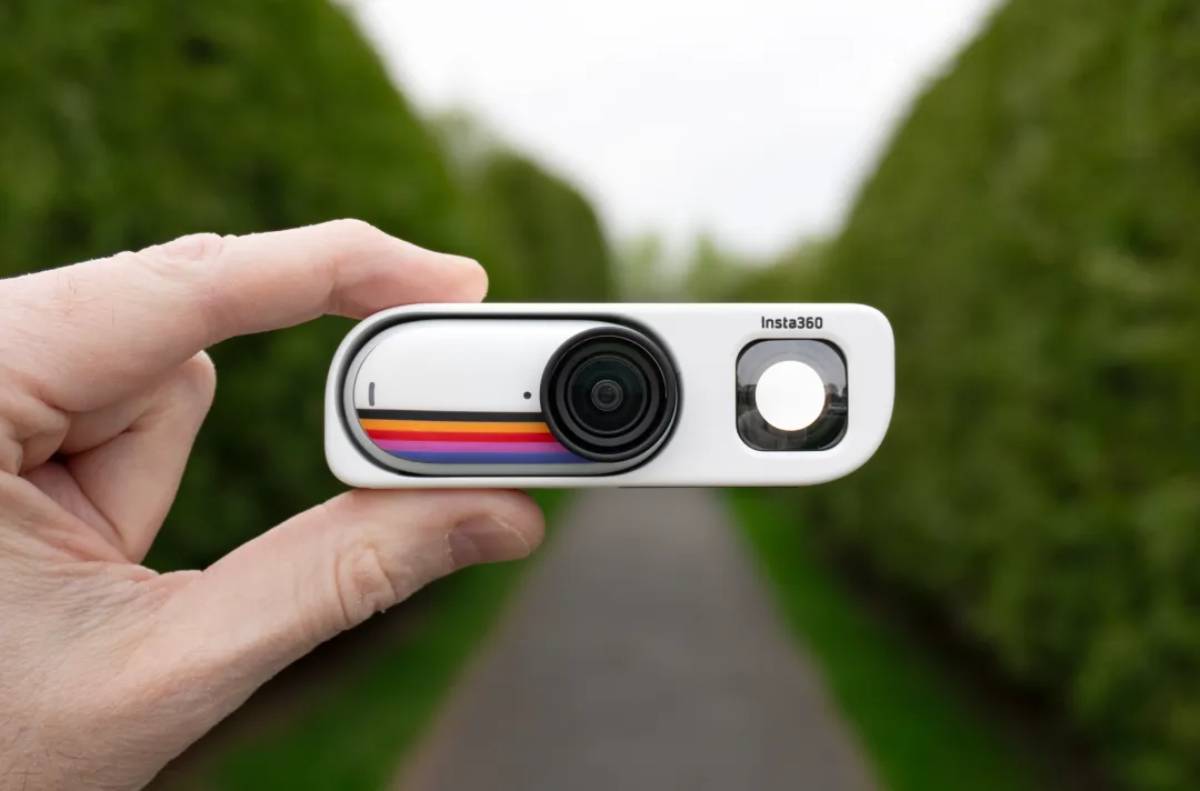
Insta360 has unveiled a new viewfinder accessory designed to give its action cameras a retro shooting experience, mimicking the look and feel of classic handheld photography devices while retaining modern digital capabilities.

May 15, 2026
|
Image Source: The Verge

A notable shift in consumer imaging technology has emerged as Insta360 introduces a retro-style viewfinder accessory that transforms modern action cameras into vintage-inspired shooting devices. The development reflects a growing convergence of nostalgia-driven design and advanced imaging technology, with implications for consumer electronics branding, content creation markets, and premium camera ecosystem strategies.

Insta360 has unveiled a new viewfinder accessory designed to give its action cameras a retro shooting experience, mimicking the look and feel of classic handheld photography devices while retaining modern digital capabilities.

The accessory is compatible with select Insta360 models, including compact action cameras such as the GO series. It allows users to frame shots through a physical viewfinder, offering a tactile, analog-inspired shooting experience that contrasts with standard screen-based controls.

The launch highlights a broader strategy to differentiate action cameras in a highly competitive market dominated by companies like GoPro. The move also reflects increasing demand for creative, stylized content tools among social media creators, travel influencers, and professional videographers.

The development aligns with a broader trend across the global consumer electronics industry where nostalgia-driven design is increasingly being integrated into modern digital products. From retro gaming consoles to analog-style cameras, manufacturers are leveraging emotional design cues to enhance product appeal in saturated markets.

The action camera segment has become highly competitive over the past decade, with brands racing to offer improved stabilization, higher-resolution video, waterproof designs, and AI-powered editing tools. However, differentiation has become increasingly difficult as core hardware specifications converge across leading brands.

GoPro has long dominated the action camera space, but rising competition from Chinese manufacturers has intensified innovation cycles and price competition. Insta360, in particular, has gained traction through 360-degree capture technology and software-driven editing features.

The rise of content creation economies on platforms such as YouTube, TikTok, and Instagram has significantly influenced product design priorities. Consumers increasingly value storytelling tools and aesthetic differentiation as much as technical specifications, driving manufacturers to experiment with hybrid analog-digital experiences.

Industry analysts suggest that Insta360’s retro-inspired accessory reflects a strategic attempt to strengthen brand identity in a crowded imaging market. Experts note that while hardware performance is now relatively standardized across competitors, emotional design and user experience are becoming key differentiators.

Content creation specialists argue that tactile interfaces, such as physical viewfinders, can enhance creative engagement by encouraging more intentional framing and composition. This may appeal to both amateur creators and professional filmmakers seeking distinctive visual styles.

Market observers also highlight that nostalgia-based product design has proven successful across multiple technology sectors, including photography, gaming, and audio equipment. Analysts believe this trend is driven by younger consumers’ interest in blending analog aesthetics with digital convenience.

At the same time, industry experts caution that novelty-driven features must be supported by strong software ecosystems and consistent product performance to ensure long-term adoption. Without sustained innovation, such accessories risk remaining niche enhancements rather than mainstream product drivers.

For businesses, the introduction of retro-style accessories opens new opportunities in product differentiation, accessory ecosystems, and premium pricing strategies. Companies in the imaging and consumer electronics sector may increasingly explore modular designs and experiential add-ons to extend product lifecycles.

Investors are likely to monitor whether lifestyle-driven hardware features can translate into sustained revenue growth in a highly competitive action camera market. Firms capable of combining hardware innovation with strong software ecosystems may gain a strategic advantage.

For policymakers, the broader trend toward consumer electronics innovation raises limited direct regulatory concerns but highlights the growing importance of intellectual

The action camera industry is expected to continue evolving toward experience-driven product ecosystems where design, storytelling tools, and software integration play as important a role as hardware specifications. Decision-makers will watch whether retro-inspired innovations can meaningfully expand market demand or remain niche differentiators.

The broader challenge will be balancing novelty with long-term product utility in an increasingly saturated consumer electronics landscape.

Source: The Verge
Date: May 15, 2026

  • Featured tools
WellSaid Ai
Free

WellSaid AI is an advanced text-to-speech platform that transforms written text into lifelike, human-quality voiceovers.

#
Text to Speech
Learn more
Scalenut AI
Free

Scalenut AI is an all-in-one SEO content platform that combines AI-driven writing, keyword research, competitor insights, and optimization tools to help you plan, create, and rank content.

#
SEO
Learn more

Learn more about future of AI

Join 80,000+ Ai enthusiast getting weekly updates on exciting AI tools.
Thank you! Your submission has been received!
Oops! Something went wrong while submitting the form.

Insta360 Blends Nostalgia With Innovation

May 15, 2026

Insta360 has unveiled a new viewfinder accessory designed to give its action cameras a retro shooting experience, mimicking the look and feel of classic handheld photography devices while retaining modern digital capabilities.

Image Source: The Verge

A notable shift in consumer imaging technology has emerged as Insta360 introduces a retro-style viewfinder accessory that transforms modern action cameras into vintage-inspired shooting devices. The development reflects a growing convergence of nostalgia-driven design and advanced imaging technology, with implications for consumer electronics branding, content creation markets, and premium camera ecosystem strategies.

Insta360 has unveiled a new viewfinder accessory designed to give its action cameras a retro shooting experience, mimicking the look and feel of classic handheld photography devices while retaining modern digital capabilities.

The accessory is compatible with select Insta360 models, including compact action cameras such as the GO series. It allows users to frame shots through a physical viewfinder, offering a tactile, analog-inspired shooting experience that contrasts with standard screen-based controls.

The launch highlights a broader strategy to differentiate action cameras in a highly competitive market dominated by companies like GoPro. The move also reflects increasing demand for creative, stylized content tools among social media creators, travel influencers, and professional videographers.

The development aligns with a broader trend across the global consumer electronics industry where nostalgia-driven design is increasingly being integrated into modern digital products. From retro gaming consoles to analog-style cameras, manufacturers are leveraging emotional design cues to enhance product appeal in saturated markets.

The action camera segment has become highly competitive over the past decade, with brands racing to offer improved stabilization, higher-resolution video, waterproof designs, and AI-powered editing tools. However, differentiation has become increasingly difficult as core hardware specifications converge across leading brands.

GoPro has long dominated the action camera space, but rising competition from Chinese manufacturers has intensified innovation cycles and price competition. Insta360, in particular, has gained traction through 360-degree capture technology and software-driven editing features.

The rise of content creation economies on platforms such as YouTube, TikTok, and Instagram has significantly influenced product design priorities. Consumers increasingly value storytelling tools and aesthetic differentiation as much as technical specifications, driving manufacturers to experiment with hybrid analog-digital experiences.

Industry analysts suggest that Insta360’s retro-inspired accessory reflects a strategic attempt to strengthen brand identity in a crowded imaging market. Experts note that while hardware performance is now relatively standardized across competitors, emotional design and user experience are becoming key differentiators.

Content creation specialists argue that tactile interfaces, such as physical viewfinders, can enhance creative engagement by encouraging more intentional framing and composition. This may appeal to both amateur creators and professional filmmakers seeking distinctive visual styles.

Market observers also highlight that nostalgia-based product design has proven successful across multiple technology sectors, including photography, gaming, and audio equipment. Analysts believe this trend is driven by younger consumers’ interest in blending analog aesthetics with digital convenience.

At the same time, industry experts caution that novelty-driven features must be supported by strong software ecosystems and consistent product performance to ensure long-term adoption. Without sustained innovation, such accessories risk remaining niche enhancements rather than mainstream product drivers.

For businesses, the introduction of retro-style accessories opens new opportunities in product differentiation, accessory ecosystems, and premium pricing strategies. Companies in the imaging and consumer electronics sector may increasingly explore modular designs and experiential add-ons to extend product lifecycles.

Investors are likely to monitor whether lifestyle-driven hardware features can translate into sustained revenue growth in a highly competitive action camera market. Firms capable of combining hardware innovation with strong software ecosystems may gain a strategic advantage.

For policymakers, the broader trend toward consumer electronics innovation raises limited direct regulatory concerns but highlights the growing importance of intellectual

The action camera industry is expected to continue evolving toward experience-driven product ecosystems where design, storytelling tools, and software integration play as important a role as hardware specifications. Decision-makers will watch whether retro-inspired innovations can meaningfully expand market demand or remain niche differentiators.

The broader challenge will be balancing novelty with long-term product utility in an increasingly saturated consumer electronics landscape.

Source: The Verge
Date: May 15, 2026

Promote Your Tool

Copy Embed Code

Similar Blogs

June 9, 2026
|

Nvidia CEO Declines Senate AI Exports

Nvidia’s chief executive declined a request to appear before U.S. lawmakers examining issues related to artificial intelligence development, semiconductor exports, and technology competition with China.
Read more
June 9, 2026
|

Apple Expands Consumer AI Strategy Rollout

Apple announced a broad range of new Apple Intelligence features designed to enhance productivity, communication, creativity, and device interaction across iPhone, iPad, Mac, and other platforms.
Read more
June 9, 2026
|

Apple Expands AI Alliance With Google Nvidia

Apple is reportedly leveraging technology and infrastructure from Google and Nvidia as it advances more sophisticated AI models and services across its ecosystem.
Read more
June 9, 2026
|

OpenAI Files Confidential SEC IPO Plan

OpenAI announced that it has confidentially submitted a draft S-1 filing to the U.S. Securities and Exchange Commission (SEC), a key procedural step typically associated with preparations for an initial public offering.
Read more
June 9, 2026
|

AI Disruption Hits Private Equity Deals

Private equity technology deal values have reportedly fallen by approximately 70%, reflecting heightened investor caution toward companies perceived as vulnerable to artificial intelligence disruption.
Read more
June 9, 2026
|

NVIDIA LG Launch Physical AI Factory Initiative

NVIDIA and LG Group revealed a partnership focused on developing an AI factory designed to support physical AI applications, advanced mobility solutions, and enterprise-scale AI infrastructure.
Read more