
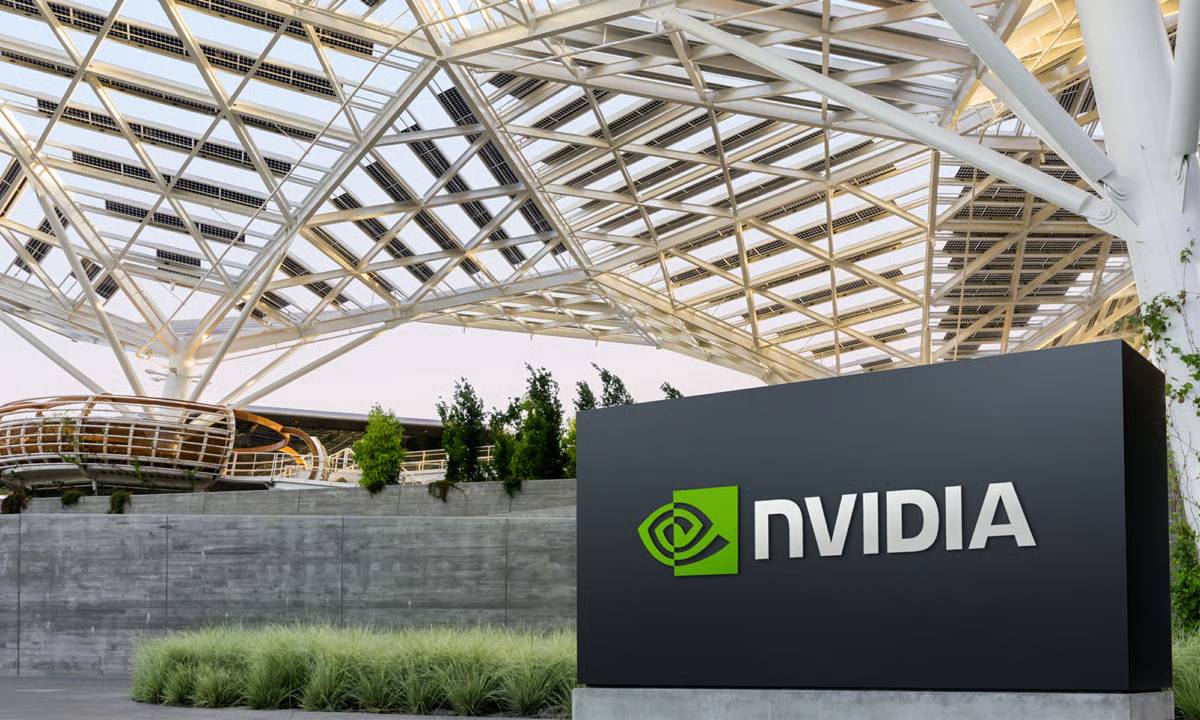
Investor Caution Grows Beyond Nvidia AI Leaders

Nvidia’s upcoming earnings report is expected to serve as a major indicator for the broader AI economy, particularly after the company’s extraordinary rally fueled by demand for generative AI hardware.

May 14, 2026
|

Investor attention is turning sharply toward the next phase of the artificial intelligence market cycle as NVIDIA prepares to report earnings later this month. While Nvidia remains the dominant force in AI chips, some market analysts and investors are beginning to shift focus toward alternative AI infrastructure and software companies offering potentially lower valuations and higher long-term upside.

Nvidia’s upcoming earnings report is expected to serve as a major indicator for the broader AI economy, particularly after the company’s extraordinary rally fueled by demand for generative AI hardware. However, some investors are expressing caution over the stock’s elevated valuation and increasingly intense competition across the semiconductor sector.

The discussion has prompted renewed interest in alternative AI-focused companies positioned to benefit from enterprise adoption, cloud expansion, and AI software integration. Market commentators argue that while Nvidia continues to dominate high-performance AI computing, other firms may offer stronger risk-reward profiles as the industry matures.

The debate reflects a broader transition from momentum-driven investing toward more selective AI market strategies. Over the past several years, Nvidia has emerged as one of the central beneficiaries of the global AI boom, driven by surging demand for GPUs powering large language models, enterprise AI systems, and cloud infrastructure. The company’s market capitalization expansion helped reshape global equity markets and intensified investor interest in semiconductor and AI infrastructure plays.

However, the AI market is entering a more competitive and capital-intensive phase. Rival chipmakers, hyperscalers, and software providers are all attempting to reduce dependence on Nvidia’s ecosystem by developing proprietary hardware, custom accelerators, and alternative AI architectures.

This evolving environment has created growing debate among investors about whether AI valuations remain sustainable. Historical technology cycles—from cloud computing to mobile platforms have shown that early leaders often face mounting pressure as competitors scale and enterprise buyers seek diversified supply chains.

Market strategists suggest Nvidia’s earnings will be closely scrutinized not only for revenue growth but also for signs of margin pressure, supply constraints, and enterprise spending trends. Analysts are particularly focused on whether AI infrastructure demand remains strong enough to justify current valuations across the semiconductor sector.

Some portfolio managers argue that the AI investment cycle is broadening beyond hardware providers into software orchestration, cybersecurity, networking, and AI services. According to industry observers, the next wave of AI value creation may emerge from companies enabling operational deployment rather than simply supplying compute power.

Meanwhile, bullish investors continue to defend Nvidia’s leadership position, pointing to its ecosystem dominance, developer adoption, and strong relationships with hyperscale cloud providers. The differing viewpoints highlight increasing market divergence over how sustainable the first phase of the AI rally may ultimately prove to be.

For businesses, the evolving investment landscape signals that AI adoption strategies may increasingly prioritize flexibility, interoperability, and vendor diversification. Enterprises deploying large-scale AI systems could seek alternatives to concentrated infrastructure dependency as costs and competition rise.

Investors may also begin rotating capital toward second-tier AI companies offering exposure to enterprise deployment, data management, and AI optimization services. This could reshape capital flows across the broader technology sector.

From a policy perspective, governments monitoring AI infrastructure concentration may support efforts to expand semiconductor competition and domestic manufacturing capabilities. The debate surrounding Nvidia’s dominance reflects wider concerns about supply-chain resilience and strategic control over next-generation computing technologies.

Nvidia’s upcoming earnings report is expected to become a critical test for AI market sentiment in 2026. Investors will closely watch guidance on data-center demand, enterprise spending, and competitive pressures. At the same time, attention is likely to broaden toward emerging AI infrastructure and software players positioned to capture the next stage of industry growth. The coming months may determine whether the AI rally continues consolidating around a few dominant firms or expands into a wider technology ecosystem.

Source: The Motley Fool
Date: May 13, 2026

  • Featured tools
Scalenut AI
Free

Scalenut AI is an all-in-one SEO content platform that combines AI-driven writing, keyword research, competitor insights, and optimization tools to help you plan, create, and rank content.

#
SEO
Learn more
Beautiful AI
Free

Beautiful AI is an AI-powered presentation platform that automates slide design and formatting, enabling users to create polished, on-brand presentations quickly.

#
Presentation
Learn more

Learn more about future of AI

Join 80,000+ Ai enthusiast getting weekly updates on exciting AI tools.
Thank you! Your submission has been received!
Oops! Something went wrong while submitting the form.

Investor Caution Grows Beyond Nvidia AI Leaders

May 14, 2026

Nvidia’s upcoming earnings report is expected to serve as a major indicator for the broader AI economy, particularly after the company’s extraordinary rally fueled by demand for generative AI hardware.

Investor attention is turning sharply toward the next phase of the artificial intelligence market cycle as NVIDIA prepares to report earnings later this month. While Nvidia remains the dominant force in AI chips, some market analysts and investors are beginning to shift focus toward alternative AI infrastructure and software companies offering potentially lower valuations and higher long-term upside.

Nvidia’s upcoming earnings report is expected to serve as a major indicator for the broader AI economy, particularly after the company’s extraordinary rally fueled by demand for generative AI hardware. However, some investors are expressing caution over the stock’s elevated valuation and increasingly intense competition across the semiconductor sector.

The discussion has prompted renewed interest in alternative AI-focused companies positioned to benefit from enterprise adoption, cloud expansion, and AI software integration. Market commentators argue that while Nvidia continues to dominate high-performance AI computing, other firms may offer stronger risk-reward profiles as the industry matures.

The debate reflects a broader transition from momentum-driven investing toward more selective AI market strategies. Over the past several years, Nvidia has emerged as one of the central beneficiaries of the global AI boom, driven by surging demand for GPUs powering large language models, enterprise AI systems, and cloud infrastructure. The company’s market capitalization expansion helped reshape global equity markets and intensified investor interest in semiconductor and AI infrastructure plays.

However, the AI market is entering a more competitive and capital-intensive phase. Rival chipmakers, hyperscalers, and software providers are all attempting to reduce dependence on Nvidia’s ecosystem by developing proprietary hardware, custom accelerators, and alternative AI architectures.

This evolving environment has created growing debate among investors about whether AI valuations remain sustainable. Historical technology cycles—from cloud computing to mobile platforms have shown that early leaders often face mounting pressure as competitors scale and enterprise buyers seek diversified supply chains.

Market strategists suggest Nvidia’s earnings will be closely scrutinized not only for revenue growth but also for signs of margin pressure, supply constraints, and enterprise spending trends. Analysts are particularly focused on whether AI infrastructure demand remains strong enough to justify current valuations across the semiconductor sector.

Some portfolio managers argue that the AI investment cycle is broadening beyond hardware providers into software orchestration, cybersecurity, networking, and AI services. According to industry observers, the next wave of AI value creation may emerge from companies enabling operational deployment rather than simply supplying compute power.

Meanwhile, bullish investors continue to defend Nvidia’s leadership position, pointing to its ecosystem dominance, developer adoption, and strong relationships with hyperscale cloud providers. The differing viewpoints highlight increasing market divergence over how sustainable the first phase of the AI rally may ultimately prove to be.

For businesses, the evolving investment landscape signals that AI adoption strategies may increasingly prioritize flexibility, interoperability, and vendor diversification. Enterprises deploying large-scale AI systems could seek alternatives to concentrated infrastructure dependency as costs and competition rise.

Investors may also begin rotating capital toward second-tier AI companies offering exposure to enterprise deployment, data management, and AI optimization services. This could reshape capital flows across the broader technology sector.

From a policy perspective, governments monitoring AI infrastructure concentration may support efforts to expand semiconductor competition and domestic manufacturing capabilities. The debate surrounding Nvidia’s dominance reflects wider concerns about supply-chain resilience and strategic control over next-generation computing technologies.

Nvidia’s upcoming earnings report is expected to become a critical test for AI market sentiment in 2026. Investors will closely watch guidance on data-center demand, enterprise spending, and competitive pressures. At the same time, attention is likely to broaden toward emerging AI infrastructure and software players positioned to capture the next stage of industry growth. The coming months may determine whether the AI rally continues consolidating around a few dominant firms or expands into a wider technology ecosystem.

Source: The Motley Fool
Date: May 13, 2026

Promote Your Tool

Copy Embed Code

Similar Blogs

July 7, 2026
|

Switzerland Reaffirms OSCE Security Role

Swiss Foreign Minister Ignazio Cassis has reaffirmed Switzerland’s support for the OSCE, describing the organization as essential for European security and diplomatic engagement.
Read more
July 7, 2026
|

Swiss AI Data Centre Faces Backlash

Activists protesting the construction of a new data centre in Beringen, Schaffhausen, have moved their demonstration camp while continuing opposition to the project.
Read more
July 7, 2026
|

Switzerland Tourism Faces Overtourism Challenges

Switzerland’s major tourist attractions remain heavily visited despite financial support programs designed to encourage broader tourism distribution.
Read more
July 7, 2026
|

Swiss Festival Showcases Community Tradition

The Swiss Federal Shooting Festival in Graubünden attracted approximately 100,000 attendees, making it one of the country’s major traditional gatherings.
Read more
July 7, 2026
|

WithSecure HENNGE Expand US Security

WithSecure and HENNGE are broadening their existing partnership to provide managed security capabilities for customers in the United States.
Read more
July 7, 2026
|

Norway Canada Launch Clean Tech Corridor

The Norway-Canada marine clean tech corridor aims to provide companies with access to testing environments, research capabilities, and industry partnerships across both countries.
Read more