



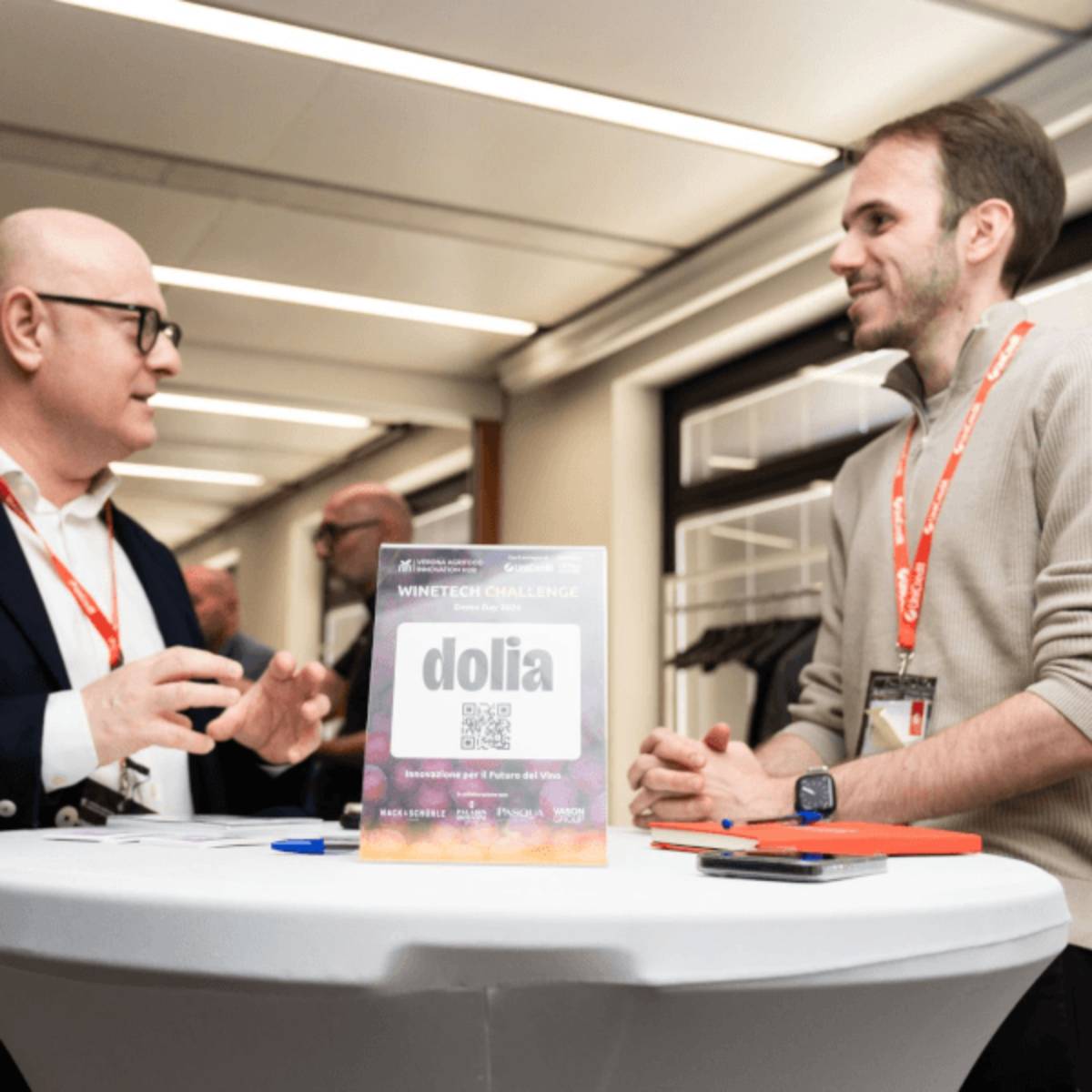
A Luxembourg-based startup has secured a place among the global finalists of a leading Wine Tech Challenge, highlighting the growing intersection of technology and agriculture. The achievement underscores the increasing importance of innovation in the wine industry and reflects broader trends toward digital transformation, sustainability, and data-driven decision-making across food production sectors.
Dolia, a startup based in Luxembourg, has been selected among the global finalists of the Wine Tech Challenge, an international competition focused on innovative solutions for the wine industry. The recognition places the company alongside emerging technology ventures seeking to address challenges across viticulture, production, sustainability, and operational efficiency.
The selection process evaluated startups on innovation potential, market relevance, and their ability to contribute to the future of the wine ecosystem. Participation in the challenge provides exposure to industry leaders, investors, and potential commercial partners.
The achievement also reinforces Luxembourg’s growing reputation as a hub for technology-driven entrepreneurship and innovation. The global wine industry is undergoing significant transformation as producers face mounting pressures related to climate change, sustainability requirements, labor shortages, and evolving consumer preferences. In response, wineries are increasingly adopting advanced technologies to improve efficiency, reduce environmental impact, and enhance product quality.
The development aligns with a broader trend across global markets where agri-food sectors are embracing digital innovation. Technologies such as artificial intelligence, predictive analytics, automation, and precision agriculture are becoming critical tools for improving agricultural productivity and resilience.
Historically, the wine sector has relied heavily on traditional production methods and generational expertise. However, growing competitive pressures and environmental challenges have accelerated demand for technology-driven solutions.
As innovation becomes a key differentiator, startups are playing an increasingly important role in introducing new approaches that help modernize agricultural value chains while preserving industry heritage and quality standards.
Industry analysts view the growing prominence of wine technology competitions as evidence of increasing investment and innovation activity within agri-food ecosystems. Experts note that technology adoption is no longer optional for many producers, particularly as climate volatility and resource constraints place pressure on agricultural operations.
Innovation specialists argue that startups are uniquely positioned to introduce agile, scalable solutions capable of addressing highly specific industry challenges. Competitions and accelerator programs provide valuable platforms for identifying emerging technologies with commercial potential.
Industry leaders increasingly emphasize the role of data-driven decision-making in optimizing production processes, improving sustainability outcomes, and enhancing profitability. Solutions that enable more precise resource management are attracting significant attention from producers and investors alike.
Dolia’s recognition among global finalists reflects the broader shift toward technology-enabled agriculture and demonstrates how smaller innovation ecosystems can contribute to global industry transformation.
For businesses operating in agriculture, food production, and wine manufacturing, the development highlights growing opportunities to leverage technology for operational improvement and sustainability. Companies that successfully integrate digital tools may gain competitive advantages through greater efficiency and resilience.
For investors, the achievement reinforces the increasing attractiveness of agri-tech and food-tech sectors as long-term growth opportunities. Innovation addressing sustainability and productivity challenges is expected to remain a key investment theme.
From a policy perspective, governments may continue supporting entrepreneurship and technology adoption within traditional industries to strengthen economic competitiveness. For executives, the emergence of specialized technology solutions signals the importance of integrating innovation into sector-specific transformation strategies.
As Dolia advances through the Wine Tech Challenge, attention will focus on how its technology performs in commercial and industry settings. Continued recognition could open opportunities for partnerships, investment, and international market expansion.
Decision-makers should monitor how technology adoption accelerates across agricultural sectors facing environmental and operational pressures. The future competitiveness of traditional industries may increasingly depend on their ability to integrate innovation while maintaining quality and sustainability standards.
Source: Startup Luxembourg
Date: June 2026


