
MacOS Shortcuts Redefine Productivity Workflows

Apple’s Apple operating system, macOS, continues to emphasize productivity features through advanced keyboard shortcut integration. Users can streamline navigation, text editing.

May 4, 2026
|
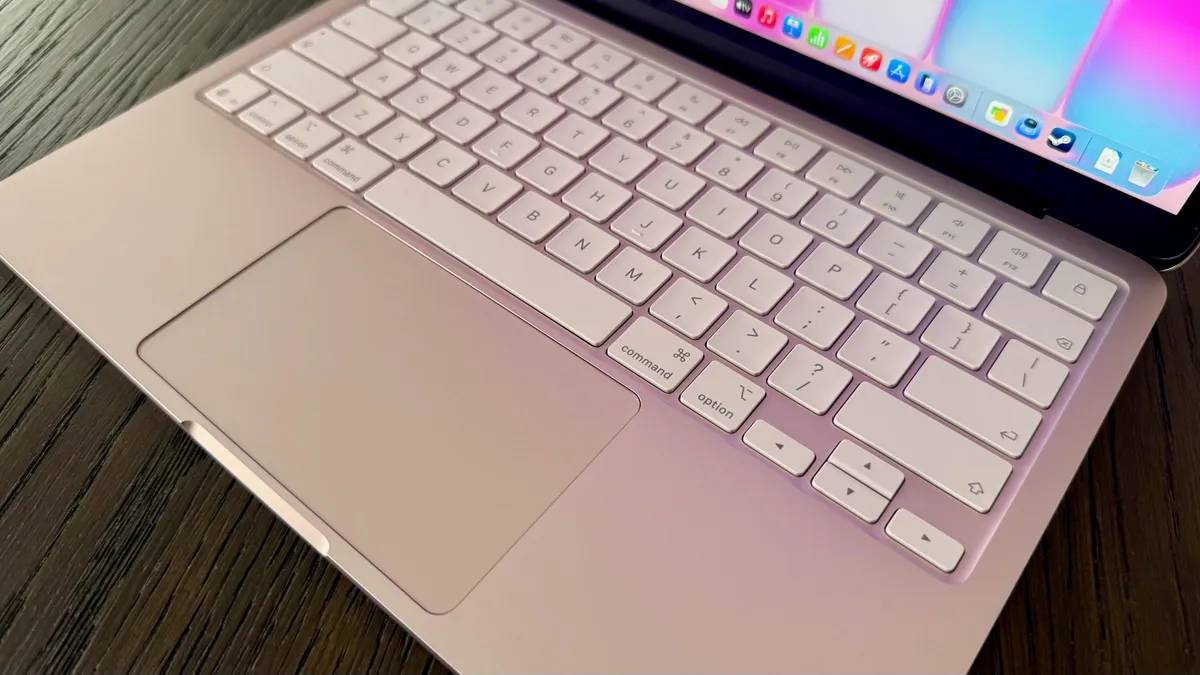
Image Source: Cnet

A renewed focus on productivity optimization within macOS highlights how keyboard shortcuts are significantly enhancing typing speed and browsing efficiency for users. The development underscores a broader shift toward workflow automation at the operating system level, with implications for professionals, enterprises, and digital productivity ecosystems globally.

Apple’s Apple operating system, macOS, continues to emphasize productivity features through advanced keyboard shortcut integration. Users can streamline navigation, text editing, and multitasking by leveraging built-in shortcut combinations across applications and system functions.

These shortcuts are designed to reduce reliance on mouse interactions, improving workflow efficiency for both casual users and professionals. The system includes shortcuts for window management, browser navigation, text formatting, and system-level commands.

The guidance highlights practical use cases across daily computing tasks, reinforcing macOS as a productivity-centric platform. The feature set is particularly relevant for knowledge workers, developers, and enterprise users operating in high-efficiency environments.

Keyboard shortcuts have long been a foundational element of desktop operating systems, dating back to early computing environments where command-based interaction was essential. In modern contexts, however, their importance has evolved into a productivity enhancement layer rather than a necessity.

Within macOS, Apple has progressively refined shortcut systems to align with its broader ecosystem strategy, which emphasizes seamless integration across devices such as Mac, iPhone, and iPad.

The renewed emphasis on shortcuts reflects a broader industry trend toward efficiency optimization, particularly as hybrid work models increase reliance on digital tools. Competing operating systems such as Windows and Linux also continue to evolve shortcut ecosystems, but Apple’s design consistency gives macOS a distinct advantage in user familiarity and workflow continuity.

Historically, productivity gains from shortcuts have been associated with measurable time savings in professional environments, particularly in software development, content creation, and data-intensive roles.

Productivity analysts note that keyboard shortcuts remain one of the most underutilized yet high-impact features in modern operating systems. Experts suggest that users who adopt advanced shortcut workflows can significantly reduce task completion time and cognitive load.

UX researchers highlight that Apple’s design philosophy prioritizes discoverability through gradual learning curves, where users adopt shortcuts organically over time rather than through formal training. This approach increases long-term retention but may slow initial adoption rates.

Enterprise IT specialists emphasize that standardized shortcut usage across organizations can improve operational efficiency, particularly in content creation and administrative workflows. However, analysts also note that productivity gains depend heavily on user discipline and familiarity.

While no formal statement has singled out this feature as a major update, industry observers interpret it as part of Apple’s continuous refinement of user experience within macOS.

For enterprises, improved shortcut literacy within macOS can translate into measurable productivity gains across teams, particularly in roles requiring high-frequency digital interaction. Organizations may benefit from internal training programs focused on efficiency optimization.

For Apple, reinforcing productivity features strengthens its positioning in the premium computing segment, particularly among creative professionals and enterprise users. Investors may view this as incremental but important ecosystem reinforcement.

From a broader digital policy perspective, productivity-enhancing OS features contribute to discussions around digital labor efficiency and workforce optimization. Analysts suggest that operating systems are increasingly becoming productivity platforms rather than passive tools.

Future macOS updates are expected to further integrate intelligent shortcut suggestions and contextual automation. As AI-assisted workflows become more common, shortcut systems may evolve into adaptive productivity engines. Decision-makers will watch whether Apple expands shortcut discoverability through machine learning or maintains its traditional manual learning approach. The central challenge remains balancing simplicity with advanced functionality.

Source: Cnet
Date: May 4, 2026

  • Featured tools
Kreateable AI
Free

Kreateable AI is a white-label, AI-driven design platform that enables logo generation, social media posts, ads, and more for businesses, agencies, and service providers.

#
Logo Generator
Learn more
Wonder AI
Free

Wonder AI is a versatile AI-powered creative platform that generates text, images, and audio with minimal input, designed for fast storytelling, visual creation, and audio content generation

#
Art Generator
Learn more

Learn more about future of AI

Join 80,000+ Ai enthusiast getting weekly updates on exciting AI tools.
Thank you! Your submission has been received!
Oops! Something went wrong while submitting the form.

MacOS Shortcuts Redefine Productivity Workflows

May 4, 2026

Apple’s Apple operating system, macOS, continues to emphasize productivity features through advanced keyboard shortcut integration. Users can streamline navigation, text editing.

Image Source: Cnet

A renewed focus on productivity optimization within macOS highlights how keyboard shortcuts are significantly enhancing typing speed and browsing efficiency for users. The development underscores a broader shift toward workflow automation at the operating system level, with implications for professionals, enterprises, and digital productivity ecosystems globally.

Apple’s Apple operating system, macOS, continues to emphasize productivity features through advanced keyboard shortcut integration. Users can streamline navigation, text editing, and multitasking by leveraging built-in shortcut combinations across applications and system functions.

These shortcuts are designed to reduce reliance on mouse interactions, improving workflow efficiency for both casual users and professionals. The system includes shortcuts for window management, browser navigation, text formatting, and system-level commands.

The guidance highlights practical use cases across daily computing tasks, reinforcing macOS as a productivity-centric platform. The feature set is particularly relevant for knowledge workers, developers, and enterprise users operating in high-efficiency environments.

Keyboard shortcuts have long been a foundational element of desktop operating systems, dating back to early computing environments where command-based interaction was essential. In modern contexts, however, their importance has evolved into a productivity enhancement layer rather than a necessity.

Within macOS, Apple has progressively refined shortcut systems to align with its broader ecosystem strategy, which emphasizes seamless integration across devices such as Mac, iPhone, and iPad.

The renewed emphasis on shortcuts reflects a broader industry trend toward efficiency optimization, particularly as hybrid work models increase reliance on digital tools. Competing operating systems such as Windows and Linux also continue to evolve shortcut ecosystems, but Apple’s design consistency gives macOS a distinct advantage in user familiarity and workflow continuity.

Historically, productivity gains from shortcuts have been associated with measurable time savings in professional environments, particularly in software development, content creation, and data-intensive roles.

Productivity analysts note that keyboard shortcuts remain one of the most underutilized yet high-impact features in modern operating systems. Experts suggest that users who adopt advanced shortcut workflows can significantly reduce task completion time and cognitive load.

UX researchers highlight that Apple’s design philosophy prioritizes discoverability through gradual learning curves, where users adopt shortcuts organically over time rather than through formal training. This approach increases long-term retention but may slow initial adoption rates.

Enterprise IT specialists emphasize that standardized shortcut usage across organizations can improve operational efficiency, particularly in content creation and administrative workflows. However, analysts also note that productivity gains depend heavily on user discipline and familiarity.

While no formal statement has singled out this feature as a major update, industry observers interpret it as part of Apple’s continuous refinement of user experience within macOS.

For enterprises, improved shortcut literacy within macOS can translate into measurable productivity gains across teams, particularly in roles requiring high-frequency digital interaction. Organizations may benefit from internal training programs focused on efficiency optimization.

For Apple, reinforcing productivity features strengthens its positioning in the premium computing segment, particularly among creative professionals and enterprise users. Investors may view this as incremental but important ecosystem reinforcement.

From a broader digital policy perspective, productivity-enhancing OS features contribute to discussions around digital labor efficiency and workforce optimization. Analysts suggest that operating systems are increasingly becoming productivity platforms rather than passive tools.

Future macOS updates are expected to further integrate intelligent shortcut suggestions and contextual automation. As AI-assisted workflows become more common, shortcut systems may evolve into adaptive productivity engines. Decision-makers will watch whether Apple expands shortcut discoverability through machine learning or maintains its traditional manual learning approach. The central challenge remains balancing simplicity with advanced functionality.

Source: Cnet
Date: May 4, 2026

Promote Your Tool

Copy Embed Code

Similar Blogs

June 24, 2026
|

Nordic AI Oversight Tightens Regulation

Seven Nordic data protection regulators have jointly agreed on a coordinated approach to AI oversight, aligning enforcement practices under existing GDPR rules.
Read more
June 24, 2026
|

MON5 Raises €1.7M Cybersecurity Scaling

MON5 has raised more than €1.7 million in a funding round aimed at scaling its industrial OT cybersecurity platform. The capital injection will be directed toward product development, market expansion.
Read more
June 24, 2026
|

Cybersecurity 2030 Strategic Pillars

The “Cybersecurity 2030” outlook identifies four foundational pillars designed to help organizations navigate increasingly complex cyber risks.
Read more
June 24, 2026
|

Luxembourg Elevates Cybersecurity Leadership Profile

Forum INCYBER 2026 brought together government representatives, cybersecurity experts, technology companies, investors, and policymakers from across Europe and beyond.
Read more
June 24, 2026
|

Luxembourg Strengthens Cybersecurity Innovation Ecosystem

The Startup Apéro event served as a networking and knowledge-sharing platform for cybersecurity enthusiasts, startup founders, technology professionals, and ecosystem stakeholders.
Read more
June 24, 2026
|

Startup Founders Face Hidden Risks

The discussion centers on the realities of launching a business, particularly for first-time founders navigating complex regulatory, financial, and market environments.
Read more