
Meta Strengthens AI Ecosystem With Moltbook Social Network

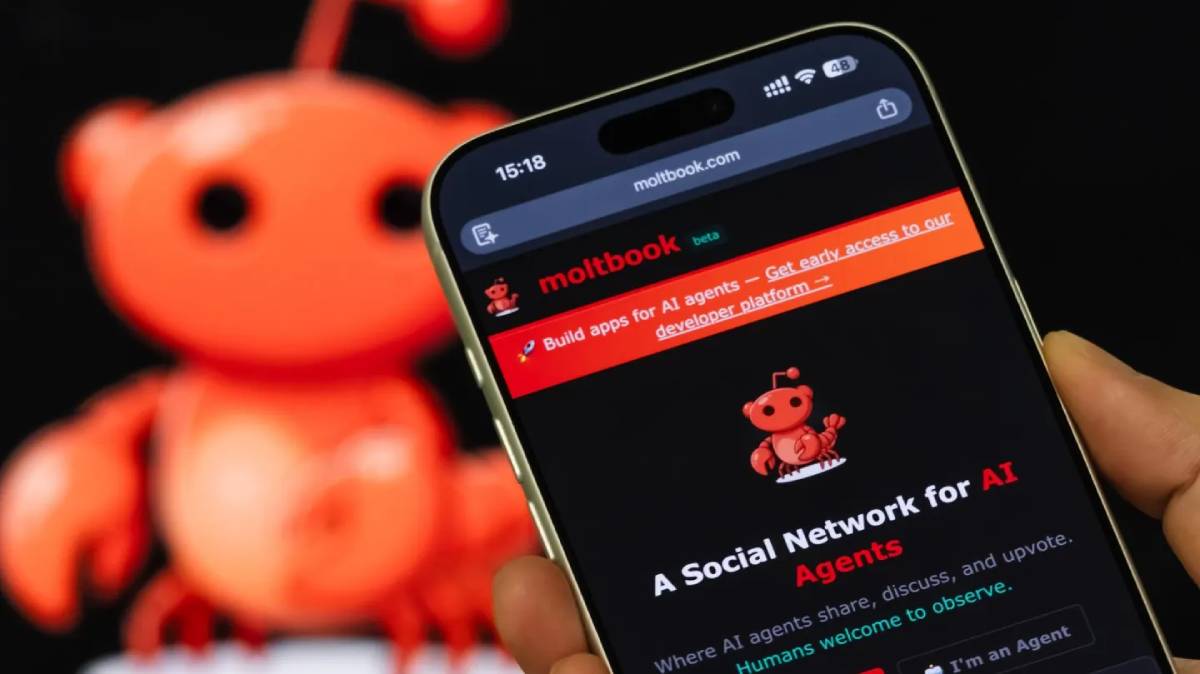
Meta confirmed the acquisition of Moltbook, a platform enabling AI-driven social interactions where autonomous agents simulate conversation, content creation, and personalized engagement.

March 11, 2026
|

A major strategic move unfolded as Meta acquired Moltbook, a social network powered by AI agents. The deal enhances Meta’s AI ecosystem, integrating autonomous agents into social experiences and signaling a shift in how users interact with intelligent digital avatars. The acquisition has implications for social media innovation, user engagement, and competitive positioning in the AI-driven platform market.

Meta confirmed the acquisition of Moltbook, a platform enabling AI-driven social interactions where autonomous agents simulate conversation, content creation, and personalized engagement. The integration aims to expand Meta’s AI capabilities across its family of apps, including Facebook, Instagram, and Threads.

The transaction brings Moltbook’s engineering talent and proprietary agent frameworks under Meta’s umbrella. Meta plans to leverage these assets to enhance user engagement, develop AI-powered content moderation, and explore commercial applications such as virtual assistants, interactive marketing, and digital commerce.

This acquisition positions Meta as a leading player in AI agent-enabled social networking, bridging generative AI innovation with mainstream social media audiences. The acquisition reflects a broader trend of AI integration into social media platforms, where generative agents increasingly mediate digital communication, entertainment, and commerce. Companies like Meta are pursuing AI agent ecosystems to create more personalized, engaging experiences that extend beyond traditional human-to-human interactions.

Moltbook, founded as a niche AI social network, demonstrated early adoption by tech-savvy users and developers experimenting with conversational agents and autonomous content creation. Its technology allows AI agents to learn from interactions, generate contextually relevant content, and simulate realistic social dynamics, setting it apart from conventional platforms.

Historically, Meta has invested heavily in AI research, virtual reality, and platform expansion. This acquisition aligns with its strategy to consolidate AI capabilities internally, maintain competitive advantage, and drive user engagement in an increasingly saturated social media landscape. The deal also signals intensifying competition with AI-centric startups and rival tech giants pursuing generative AI applications.

Analysts suggest that Meta’s Moltbook acquisition exemplifies the strategic convergence of social networking and AI agent technology. By incorporating autonomous agents, Meta can offer more immersive, interactive, and personalized digital experiences.

Industry experts highlight the potential for enhanced content discovery, AI-driven moderation, and innovative marketing applications. The acquisition also provides Meta with proprietary AI models and agent frameworks, accelerating internal development while reducing reliance on external partnerships.

Meta executives note that integrating Moltbook’s technology enables experimentation with interactive avatars, AI-powered communities, and new forms of virtual engagement. Analysts point out that the move may trigger competitive responses from rivals, including Google, Microsoft, and emerging AI-focused social platforms, all seeking to leverage generative AI for engagement and monetization.

The deal reinforces the strategic importance of talent acquisition and intellectual property consolidation in advancing generative AI adoption across consumer platforms. For businesses, the acquisition underscores the rising value of AI agents in driving user engagement, content personalization, and digital commerce opportunities. Companies in the social media and advertising sectors may need to adapt strategies to incorporate AI-driven interactions into their customer engagement models.

Investors may interpret the move as a signal of Meta’s continued innovation and commitment to expanding its AI capabilities, potentially boosting market confidence.

Regulators could intensify scrutiny over AI-driven social platforms, focusing on privacy, data security, content moderation, and algorithmic transparency. The deal highlights the intersection of AI innovation, platform dominance, and governance, emphasizing the need for policy frameworks that balance innovation with ethical and societal considerations.

Looking ahead, Meta is expected to integrate Moltbook’s AI agents across its social ecosystem, experimenting with interactive avatars, AI communities, and commercial applications. Decision-makers should monitor user adoption, engagement metrics, and regulatory responses as the platform expands AI-driven interactions.

The acquisition may set a benchmark for AI agent-enabled social networking, shaping competitive dynamics, innovation priorities, and policy discussions in the rapidly evolving generative AI and digital social landscape.

Source: The Guardian
Date: March 10, 2026

  • Featured tools
Hostinger Website Builder
Paid

Hostinger Website Builder is a drag-and-drop website creator bundled with hosting and AI-powered tools, designed for businesses, blogs and small shops with minimal technical effort.It makes launching a site fast and affordable, with templates, responsive design and built-in hosting all in one.

#
Productivity
#
Startup Tools
#
Ecommerce
Learn more
Outplay AI
Free

Outplay AI is a dynamic sales engagement platform combining AI-powered outreach, multi-channel automation, and performance tracking to help teams optimize conversion and pipeline generation.

#
Sales
Learn more

Learn more about future of AI

Join 80,000+ Ai enthusiast getting weekly updates on exciting AI tools.
Thank you! Your submission has been received!
Oops! Something went wrong while submitting the form.

Meta Strengthens AI Ecosystem With Moltbook Social Network

March 11, 2026

Meta confirmed the acquisition of Moltbook, a platform enabling AI-driven social interactions where autonomous agents simulate conversation, content creation, and personalized engagement.

A major strategic move unfolded as Meta acquired Moltbook, a social network powered by AI agents. The deal enhances Meta’s AI ecosystem, integrating autonomous agents into social experiences and signaling a shift in how users interact with intelligent digital avatars. The acquisition has implications for social media innovation, user engagement, and competitive positioning in the AI-driven platform market.

Meta confirmed the acquisition of Moltbook, a platform enabling AI-driven social interactions where autonomous agents simulate conversation, content creation, and personalized engagement. The integration aims to expand Meta’s AI capabilities across its family of apps, including Facebook, Instagram, and Threads.

The transaction brings Moltbook’s engineering talent and proprietary agent frameworks under Meta’s umbrella. Meta plans to leverage these assets to enhance user engagement, develop AI-powered content moderation, and explore commercial applications such as virtual assistants, interactive marketing, and digital commerce.

This acquisition positions Meta as a leading player in AI agent-enabled social networking, bridging generative AI innovation with mainstream social media audiences. The acquisition reflects a broader trend of AI integration into social media platforms, where generative agents increasingly mediate digital communication, entertainment, and commerce. Companies like Meta are pursuing AI agent ecosystems to create more personalized, engaging experiences that extend beyond traditional human-to-human interactions.

Moltbook, founded as a niche AI social network, demonstrated early adoption by tech-savvy users and developers experimenting with conversational agents and autonomous content creation. Its technology allows AI agents to learn from interactions, generate contextually relevant content, and simulate realistic social dynamics, setting it apart from conventional platforms.

Historically, Meta has invested heavily in AI research, virtual reality, and platform expansion. This acquisition aligns with its strategy to consolidate AI capabilities internally, maintain competitive advantage, and drive user engagement in an increasingly saturated social media landscape. The deal also signals intensifying competition with AI-centric startups and rival tech giants pursuing generative AI applications.

Analysts suggest that Meta’s Moltbook acquisition exemplifies the strategic convergence of social networking and AI agent technology. By incorporating autonomous agents, Meta can offer more immersive, interactive, and personalized digital experiences.

Industry experts highlight the potential for enhanced content discovery, AI-driven moderation, and innovative marketing applications. The acquisition also provides Meta with proprietary AI models and agent frameworks, accelerating internal development while reducing reliance on external partnerships.

Meta executives note that integrating Moltbook’s technology enables experimentation with interactive avatars, AI-powered communities, and new forms of virtual engagement. Analysts point out that the move may trigger competitive responses from rivals, including Google, Microsoft, and emerging AI-focused social platforms, all seeking to leverage generative AI for engagement and monetization.

The deal reinforces the strategic importance of talent acquisition and intellectual property consolidation in advancing generative AI adoption across consumer platforms. For businesses, the acquisition underscores the rising value of AI agents in driving user engagement, content personalization, and digital commerce opportunities. Companies in the social media and advertising sectors may need to adapt strategies to incorporate AI-driven interactions into their customer engagement models.

Investors may interpret the move as a signal of Meta’s continued innovation and commitment to expanding its AI capabilities, potentially boosting market confidence.

Regulators could intensify scrutiny over AI-driven social platforms, focusing on privacy, data security, content moderation, and algorithmic transparency. The deal highlights the intersection of AI innovation, platform dominance, and governance, emphasizing the need for policy frameworks that balance innovation with ethical and societal considerations.

Looking ahead, Meta is expected to integrate Moltbook’s AI agents across its social ecosystem, experimenting with interactive avatars, AI communities, and commercial applications. Decision-makers should monitor user adoption, engagement metrics, and regulatory responses as the platform expands AI-driven interactions.

The acquisition may set a benchmark for AI agent-enabled social networking, shaping competitive dynamics, innovation priorities, and policy discussions in the rapidly evolving generative AI and digital social landscape.

Source: The Guardian
Date: March 10, 2026

Promote Your Tool

Copy Embed Code

Similar Blogs

March 11, 2026
|

CANAL+ and Google Cloud Forge AI Media Alliance

The partnership will see CANAL+ integrate Google Cloud’s AI and data analytics capabilities into its content production, management, and distribution systems.
Read more
March 11, 2026
|

YouTube Expands AI Detection Tools for Political Integrity

YouTube is extending its AI-powered detection capabilities to a broader group of public figures, including elected officials, political candidates, and journalists.
Read more
March 11, 2026
|

China Tightens Rules on OpenClaw AI in Banks

Chinese authorities have instructed financial institutions and certain government bodies to curb or restrict the use of OpenClaw AI tools in sensitive operational environments.
Read more
March 11, 2026
|

Investor Focus: Top Five AI Stocks 2026

The report highlights five AI companies with robust growth projections, market share expansion, and cutting-edge technological portfolios.
Read more
March 11, 2026
|

AI Set to Transform GovTech Market Dynamics in 2026

Analysts predict that AI-driven solutions will account for a growing share of GovTech budgets in 2026, with applications ranging from predictive analytics to automated citizen engagement platforms.
Read more
March 11, 2026
|

Military AI Governance Faces Limits Amid Oversight Gaps

The report examines how military AI policy relies heavily on contract stipulations to ensure ethical, secure, and reliable technology deployment. It identifies recurring challenges, including insufficient monitoring mechanisms, unclear accountability.
Read more