
Microsoft Accelerates Quantum Race With AI Chip

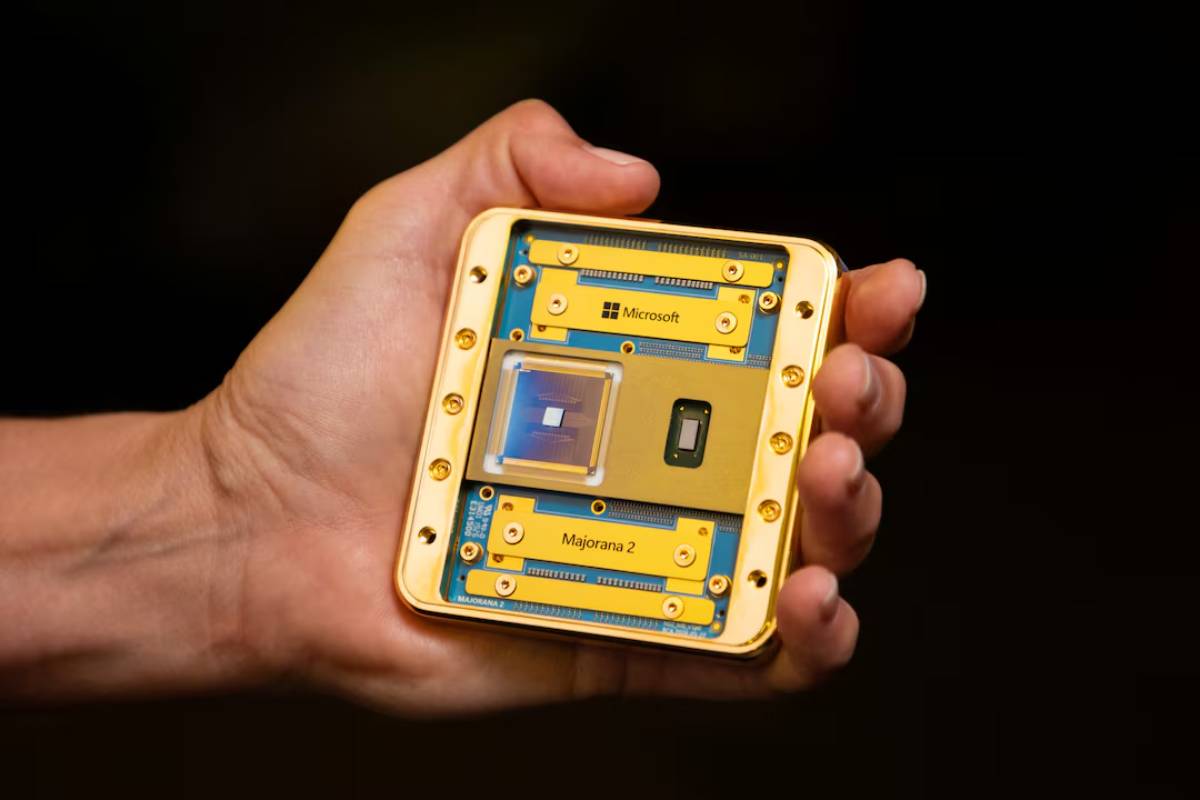
Microsoft introduced its latest quantum chip, known as Majorana 2, describing it as a significant advancement in the company's long-term effort to build scalable quantum computers.

June 3, 2026
|
Image Source:  Reuters

A major development unfolded in the global technology sector as Microsoft unveiled a new quantum computing chip designed with the assistance of artificial intelligence, while outlining plans to deliver commercially useful quantum systems by 2029. The announcement highlights the growing convergence of AI and quantum computing, signalling a strategic shift that could reshape scientific research, enterprise computing, cybersecurity, and national technology competitiveness.

Microsoft introduced its latest quantum chip, known as Majorana 2, describing it as a significant advancement in the company's long-term effort to build scalable quantum computers. Executives stated that AI-driven materials research helped identify and optimize a new chip architecture, accelerating development timelines and improving performance.

The company believes the technology could support commercially viable quantum systems by 2029, placing Microsoft among a small group of global technology leaders racing toward practical quantum computing. Major competitors, including IBM, Google, Amazon, and several state-backed research initiatives, are pursuing similar objectives.

The announcement underscores the growing strategic importance of quantum technology as governments and corporations increase investment in next-generation computing infrastructure. The development aligns with a broader trend across global markets where artificial intelligence is increasingly being used to accelerate scientific discovery and technological innovation. Rather than relying solely on traditional research methods, organizations are deploying AI systems to identify new materials, optimize engineering processes, and solve complex scientific challenges more efficiently.

Quantum computing has long been considered one of the most transformative technologies of the coming decades. Unlike conventional computers, quantum systems can process certain calculations exponentially faster, creating opportunities in areas such as pharmaceutical research, advanced manufacturing, financial modelling, logistics optimization, and climate science.

The sector has also emerged as a critical geopolitical battleground. Governments worldwide are investing billions of dollars to secure leadership in quantum technologies, viewing them as essential for future economic growth, cybersecurity resilience, and national security. As a result, competition between major technology firms and nations has intensified, with increasing pressure to achieve practical quantum breakthroughs before rivals.

Microsoft executives described the new chip as a major milestone in overcoming some of the industry's most persistent technical barriers. Company leaders emphasized that AI-assisted research played a crucial role in identifying alternative materials and optimizing chip performance, allowing engineers to accelerate progress toward scalable quantum systems.

Industry analysts view the announcement as a notable advancement in the quantum race, though many experts remain cautious about commercialization timelines. Historically, quantum computing forecasts have often proven ambitious due to challenges related to error correction, system stability, and large-scale deployment.

Technology strategists note that Microsoft's announcement is significant not only because of the chip itself but because it demonstrates how AI is increasingly becoming a catalyst for scientific innovation. The ability to combine advanced AI models with materials science and engineering research could create new pathways for technological breakthroughs across multiple industries.

Market observers also suggest that successful commercialization would strengthen Microsoft's position in both the AI and cloud computing sectors, potentially creating new competitive advantages in enterprise technology markets.

For businesses, the announcement reinforces the importance of monitoring quantum developments as a long-term strategic priority. Industries such as healthcare, finance, energy, manufacturing, and logistics could eventually benefit from computational capabilities far beyond those available today.

Investors are likely to view the development as further evidence that quantum computing is transitioning from a purely experimental field toward commercial relevance. Increased private-sector investment and corporate partnerships may follow as confidence in the sector grows.

For policymakers, the announcement highlights the need to accelerate investments in research, workforce development, and cybersecurity preparedness. Governments may also face growing pressure to establish frameworks addressing quantum-era encryption, technology standards, and international competitiveness.

For global executives, the shift could redefine operational strategies across technology-intensive industries, requiring organizations to evaluate future quantum opportunities and risks sooner than previously anticipated.

The coming years will determine whether Microsoft's ambitious timeline can be achieved. Decision-makers should watch for independent validation of performance claims, advances in quantum error correction, and further breakthroughs from competing technology firms.

As AI and quantum computing continue to converge, the race to develop commercially viable quantum systems is likely to accelerate. The companies that successfully bridge scientific innovation and scalable deployment could define the next era of global computing leadership.

Source: Reuters
Date:
June 2, 2026

  • Featured tools
Kreateable AI
Free

Kreateable AI is a white-label, AI-driven design platform that enables logo generation, social media posts, ads, and more for businesses, agencies, and service providers.

#
Logo Generator
Learn more
Scalenut AI
Free

Scalenut AI is an all-in-one SEO content platform that combines AI-driven writing, keyword research, competitor insights, and optimization tools to help you plan, create, and rank content.

#
SEO
Learn more

Learn more about future of AI

Join 80,000+ Ai enthusiast getting weekly updates on exciting AI tools.
Thank you! Your submission has been received!
Oops! Something went wrong while submitting the form.

Microsoft Accelerates Quantum Race With AI Chip

June 3, 2026

Microsoft introduced its latest quantum chip, known as Majorana 2, describing it as a significant advancement in the company's long-term effort to build scalable quantum computers.

Image Source:  Reuters

A major development unfolded in the global technology sector as Microsoft unveiled a new quantum computing chip designed with the assistance of artificial intelligence, while outlining plans to deliver commercially useful quantum systems by 2029. The announcement highlights the growing convergence of AI and quantum computing, signalling a strategic shift that could reshape scientific research, enterprise computing, cybersecurity, and national technology competitiveness.

Microsoft introduced its latest quantum chip, known as Majorana 2, describing it as a significant advancement in the company's long-term effort to build scalable quantum computers. Executives stated that AI-driven materials research helped identify and optimize a new chip architecture, accelerating development timelines and improving performance.

The company believes the technology could support commercially viable quantum systems by 2029, placing Microsoft among a small group of global technology leaders racing toward practical quantum computing. Major competitors, including IBM, Google, Amazon, and several state-backed research initiatives, are pursuing similar objectives.

The announcement underscores the growing strategic importance of quantum technology as governments and corporations increase investment in next-generation computing infrastructure. The development aligns with a broader trend across global markets where artificial intelligence is increasingly being used to accelerate scientific discovery and technological innovation. Rather than relying solely on traditional research methods, organizations are deploying AI systems to identify new materials, optimize engineering processes, and solve complex scientific challenges more efficiently.

Quantum computing has long been considered one of the most transformative technologies of the coming decades. Unlike conventional computers, quantum systems can process certain calculations exponentially faster, creating opportunities in areas such as pharmaceutical research, advanced manufacturing, financial modelling, logistics optimization, and climate science.

The sector has also emerged as a critical geopolitical battleground. Governments worldwide are investing billions of dollars to secure leadership in quantum technologies, viewing them as essential for future economic growth, cybersecurity resilience, and national security. As a result, competition between major technology firms and nations has intensified, with increasing pressure to achieve practical quantum breakthroughs before rivals.

Microsoft executives described the new chip as a major milestone in overcoming some of the industry's most persistent technical barriers. Company leaders emphasized that AI-assisted research played a crucial role in identifying alternative materials and optimizing chip performance, allowing engineers to accelerate progress toward scalable quantum systems.

Industry analysts view the announcement as a notable advancement in the quantum race, though many experts remain cautious about commercialization timelines. Historically, quantum computing forecasts have often proven ambitious due to challenges related to error correction, system stability, and large-scale deployment.

Technology strategists note that Microsoft's announcement is significant not only because of the chip itself but because it demonstrates how AI is increasingly becoming a catalyst for scientific innovation. The ability to combine advanced AI models with materials science and engineering research could create new pathways for technological breakthroughs across multiple industries.

Market observers also suggest that successful commercialization would strengthen Microsoft's position in both the AI and cloud computing sectors, potentially creating new competitive advantages in enterprise technology markets.

For businesses, the announcement reinforces the importance of monitoring quantum developments as a long-term strategic priority. Industries such as healthcare, finance, energy, manufacturing, and logistics could eventually benefit from computational capabilities far beyond those available today.

Investors are likely to view the development as further evidence that quantum computing is transitioning from a purely experimental field toward commercial relevance. Increased private-sector investment and corporate partnerships may follow as confidence in the sector grows.

For policymakers, the announcement highlights the need to accelerate investments in research, workforce development, and cybersecurity preparedness. Governments may also face growing pressure to establish frameworks addressing quantum-era encryption, technology standards, and international competitiveness.

For global executives, the shift could redefine operational strategies across technology-intensive industries, requiring organizations to evaluate future quantum opportunities and risks sooner than previously anticipated.

The coming years will determine whether Microsoft's ambitious timeline can be achieved. Decision-makers should watch for independent validation of performance claims, advances in quantum error correction, and further breakthroughs from competing technology firms.

As AI and quantum computing continue to converge, the race to develop commercially viable quantum systems is likely to accelerate. The companies that successfully bridge scientific innovation and scalable deployment could define the next era of global computing leadership.

Source: Reuters
Date:
June 2, 2026

Promote Your Tool

Copy Embed Code

Similar Blogs

June 16, 2026
|

Best Revenue & Sales Enablement Consulting Services in USA

Revenue and sales enablement consulting firms play a crucial role in helping organizations build scalable growth engines. Whether the goal is improving sales execution, implementing revenue operations, optimizing technology platforms.
Read more
June 16, 2026
|

Best Sales Consulting Services in USA

The best sales consulting firms do more than improve sales performance they help organizations build scalable revenue engines that support long-term growth.
Read more
June 16, 2026
|

Best CRM Consulting Services in USA

A successful CRM implementation requires more than technology it requires the right strategy, processes, and expertise. The best CRM consulting firms help organizations align customer relationship management with broader business objectives.
Read more
June 16, 2026
|

Best Pricing Strategy Consulting Services in USA

Pricing strategy remains one of the highest-impact growth levers available to modern businesses. Whether you're launching a new product, optimizing an existing pricing structure.
Read more
June 16, 2026
|

Best GTM Consulting Services in USA

Go-to-market execution has become one of the most important drivers of business success. Organizations that effectively align product strategy, marketing, sales, customer success.
Read more
June 16, 2026
|

Best Revenue Management Consulting Services in USA

Revenue management has become a critical discipline for organizations seeking sustainable growth in increasingly competitive markets. Companies that effectively align pricing, sales, marketing, operations.
Read more