



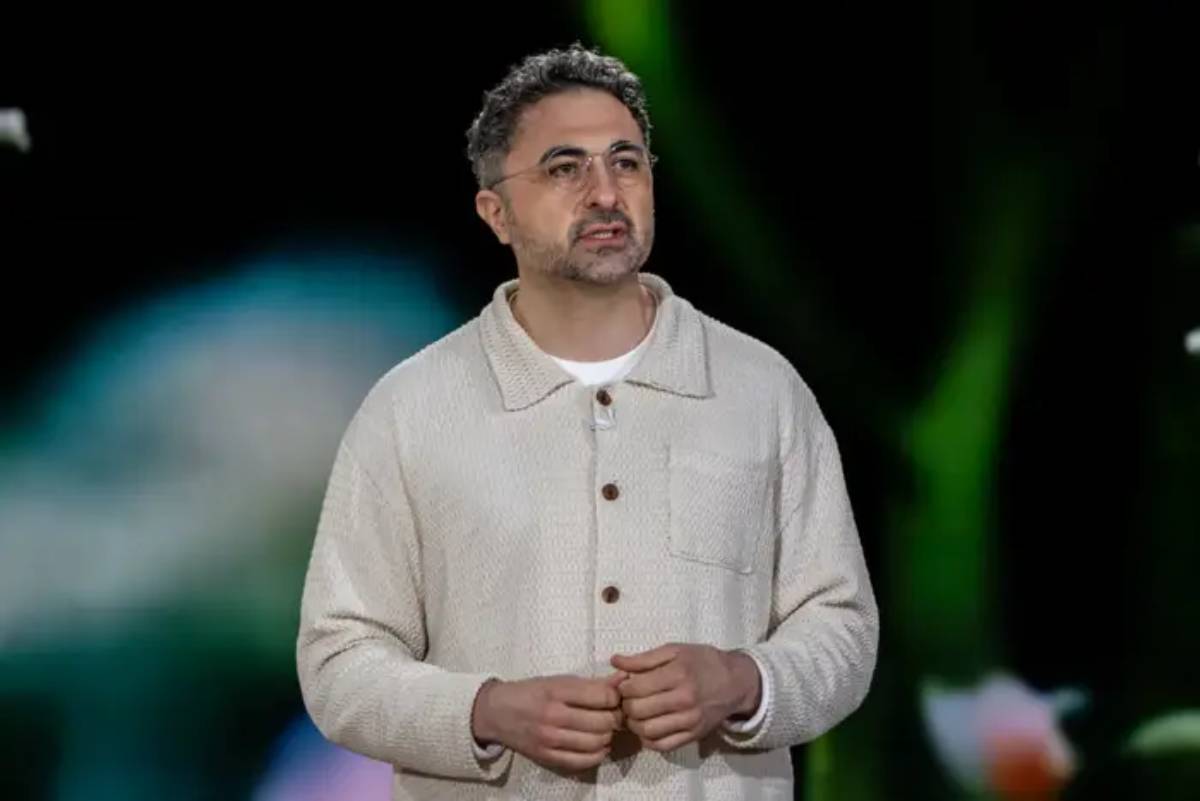
A major development unfolded as Microsoft recruited Ali Farhadi, former head of Allen Institute for AI, to join its expanding artificial intelligence division led by Mustafa Suleyman. The move signals a strategic escalation in the global AI race, with implications for innovation leadership and enterprise adoption.
Microsoft has appointed Ali Farhadi to a senior role within its AI organization, strengthening its research and development capabilities. Farhadi previously led the Allen Institute for AI, a prominent nonprofit focused on advancing artificial intelligence research.
The hire places him under the leadership of Mustafa Suleyman, who recently joined Microsoft to spearhead consumer AI initiatives. The move reflects Microsoft’s broader strategy to integrate cutting-edge research with product development. This development comes amid intensifying competition with major players such as Google and OpenAI.
The development aligns with a broader trend across global markets where the competition for top AI talent has become as critical as access to computing infrastructure. Leading technology firms are increasingly investing in high-profile researchers to accelerate innovation and maintain competitive advantage.
Microsoft has been actively expanding its AI footprint, leveraging partnerships, internal development, and strategic hires to embed AI across its ecosystem from cloud services to productivity tools. The appointment of Mustafa Suleyman earlier marked a significant shift toward building consumer-facing AI experiences, complementing enterprise-focused offerings.
The movement of talent between academia, nonprofit research labs, and private companies highlights a growing consolidation of expertise within major tech firms. This trend is reshaping the global innovation landscape, raising questions about the balance between open research and proprietary development.
Industry analysts view Microsoft’s latest hire as a strategic effort to deepen its research bench while accelerating commercialization of AI technologies. Experts note that Ali Farhadi’s background in computer vision and machine learning could enhance Microsoft’s capabilities in multimodal and real-world applications.
Market observers suggest that Mustafa Suleyman’s leadership role is designed to bridge the gap between advanced research and user-facing products, ensuring that innovations translate into tangible value for customers.
At the same time, experts highlight that competition for talent is intensifying, with companies offering significant incentives to attract leading researchers. This dynamic could drive further consolidation in the industry, as smaller organizations struggle to retain top talent.
For global executives, Microsoft’s talent strategy underscores the importance of investing in human capital to remain competitive in rapidly evolving technology landscapes. Organizations may need to rethink recruitment, retention, and collaboration strategies to secure critical expertise.
Investors are likely to interpret such hires as signals of long-term commitment to innovation, potentially influencing market sentiment and valuation trends. From a policy perspective, the concentration of talent within a few large firms may prompt discussions around competition, access to research, and the role of public institutions in fostering innovation. The move also reinforces the growing importance of AI capabilities across industries.
Looking ahead, Microsoft’s ability to translate research talent into scalable, market-ready solutions will be a key determinant of its success. As competition intensifies, further high-profile hires and strategic moves are expected across the sector.
Decision-makers should monitor how effectively companies integrate research into products and services. The evolving talent landscape will play a pivotal role in shaping the future of artificial intelligence.
Source: Business Insider
Date: March 24, 2026


