
Zuckerberg AI Playbook Signals New Leadership Model

At Meta, Zuckerberg is increasingly integrating AI tools into daily workflows, using them to enhance productivity, decision-making, and strategic planning.

March 24, 2026
|

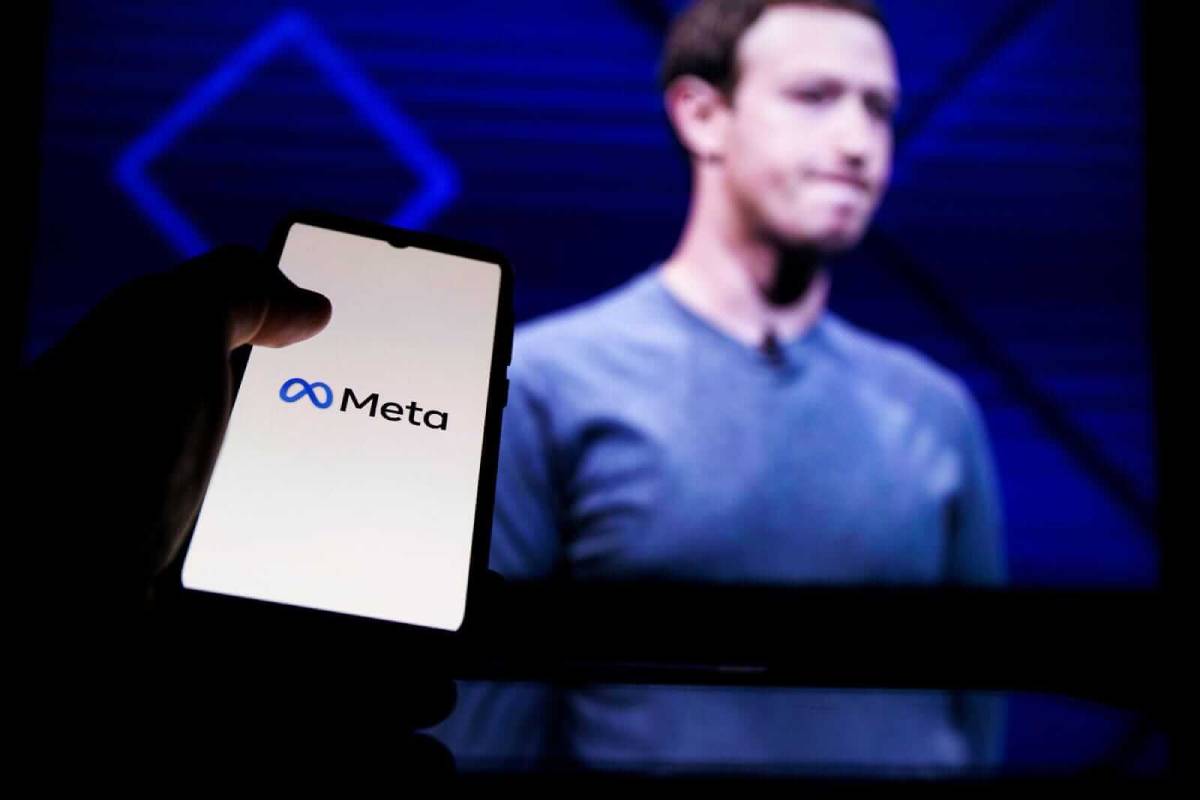
A notable shift in executive leadership is emerging as Mark Zuckerberg leverages AI as a strategic “sidekick” to guide decision-making and operations. The approach highlights how artificial intelligence is reshaping leadership styles, offering a blueprint for CEOs navigating digital transformation and organizational change at scale.

At Meta, Zuckerberg is increasingly integrating AI tools into daily workflows, using them to enhance productivity, decision-making, and strategic planning. The concept of an “AI sidekick” reflects a broader move toward embedding intelligent assistants into executive functions, rather than limiting AI to operational tasks.

This shift emphasizes hands-on leadership, where CEOs actively experiment with AI technologies to understand their capabilities and limitations. The development underscores a growing expectation that leaders not only endorse AI adoption but personally engage with it, setting an example for their organizations. It also signals a cultural shift toward AI-first thinking across corporate hierarchies.

The development aligns with a broader trend across global markets where AI is transitioning from a back-end efficiency tool to a front-line strategic asset. Companies across sectors are embedding AI into workflows, decision-making processes, and customer engagement strategies.

Historically, technology adoption within enterprises has often been delegated to IT departments. However, the rise of generative and agentic AI is changing this dynamic, requiring direct involvement from top leadership.

Major tech firms, including Microsoft and Google, have already positioned AI as central to their corporate strategies, influencing how executives operate.

Geopolitically, the race for AI leadership is intensifying, pushing organizations to accelerate adoption. Leaders who fail to engage directly with AI risk falling behind in both innovation and competitiveness.

Leadership experts suggest that Zuckerberg’s approach reflects a broader evolution in executive roles, where familiarity with AI tools becomes essential. Analysts argue that leaders who actively use AI can better identify opportunities, risks, and implementation challenges.

Industry observers note that “leading by example” is critical in driving organizational adoption, particularly when new technologies disrupt established workflows. Employees are more likely to embrace AI when leadership demonstrates confidence and competence in its use.

At the same time, experts caution that over-reliance on AI could introduce blind spots, especially if outputs are not critically evaluated. The consensus is that effective leadership in the AI era requires a balance leveraging AI for augmentation while maintaining human judgment and accountability.

For global executives, the shift signals a redefinition of leadership competencies. CEOs are increasingly expected to understand and utilize AI tools, not just oversee their deployment.

Businesses may need to invest in executive-level AI training and foster a culture of experimentation to remain competitive. From an investor perspective, companies led by AI-savvy leadership teams could be viewed as better positioned for long-term growth.

On the policy front, the integration of AI into decision-making raises questions حول accountability, transparency, and governance at the leadership level. Organizations must ensure that AI-driven decisions align with ethical and regulatory standards.

Looking ahead, the role of AI in executive leadership is expected to expand, with intelligent assistants becoming standard tools for decision-makers. CEOs who embrace this shift early will likely gain strategic advantages.

Decision-makers should monitor how AI reshapes leadership practices and organizational structures. The future of business leadership will increasingly depend on the ability to combine human insight with machine intelligence.

Source: Fortune
Date: March 24, 2026

  • Featured tools
Tome AI
Free

Tome AI is an AI-powered storytelling and presentation tool designed to help users create compelling narratives and presentations quickly and efficiently. It leverages advanced AI technologies to generate content, images, and animations based on user input.

#
Presentation
#
Startup Tools
Learn more
Beautiful AI
Free

Beautiful AI is an AI-powered presentation platform that automates slide design and formatting, enabling users to create polished, on-brand presentations quickly.

#
Presentation
Learn more

Learn more about future of AI

Join 80,000+ Ai enthusiast getting weekly updates on exciting AI tools.
Thank you! Your submission has been received!
Oops! Something went wrong while submitting the form.

Zuckerberg AI Playbook Signals New Leadership Model

March 24, 2026

At Meta, Zuckerberg is increasingly integrating AI tools into daily workflows, using them to enhance productivity, decision-making, and strategic planning.

A notable shift in executive leadership is emerging as Mark Zuckerberg leverages AI as a strategic “sidekick” to guide decision-making and operations. The approach highlights how artificial intelligence is reshaping leadership styles, offering a blueprint for CEOs navigating digital transformation and organizational change at scale.

At Meta, Zuckerberg is increasingly integrating AI tools into daily workflows, using them to enhance productivity, decision-making, and strategic planning. The concept of an “AI sidekick” reflects a broader move toward embedding intelligent assistants into executive functions, rather than limiting AI to operational tasks.

This shift emphasizes hands-on leadership, where CEOs actively experiment with AI technologies to understand their capabilities and limitations. The development underscores a growing expectation that leaders not only endorse AI adoption but personally engage with it, setting an example for their organizations. It also signals a cultural shift toward AI-first thinking across corporate hierarchies.

The development aligns with a broader trend across global markets where AI is transitioning from a back-end efficiency tool to a front-line strategic asset. Companies across sectors are embedding AI into workflows, decision-making processes, and customer engagement strategies.

Historically, technology adoption within enterprises has often been delegated to IT departments. However, the rise of generative and agentic AI is changing this dynamic, requiring direct involvement from top leadership.

Major tech firms, including Microsoft and Google, have already positioned AI as central to their corporate strategies, influencing how executives operate.

Geopolitically, the race for AI leadership is intensifying, pushing organizations to accelerate adoption. Leaders who fail to engage directly with AI risk falling behind in both innovation and competitiveness.

Leadership experts suggest that Zuckerberg’s approach reflects a broader evolution in executive roles, where familiarity with AI tools becomes essential. Analysts argue that leaders who actively use AI can better identify opportunities, risks, and implementation challenges.

Industry observers note that “leading by example” is critical in driving organizational adoption, particularly when new technologies disrupt established workflows. Employees are more likely to embrace AI when leadership demonstrates confidence and competence in its use.

At the same time, experts caution that over-reliance on AI could introduce blind spots, especially if outputs are not critically evaluated. The consensus is that effective leadership in the AI era requires a balance leveraging AI for augmentation while maintaining human judgment and accountability.

For global executives, the shift signals a redefinition of leadership competencies. CEOs are increasingly expected to understand and utilize AI tools, not just oversee their deployment.

Businesses may need to invest in executive-level AI training and foster a culture of experimentation to remain competitive. From an investor perspective, companies led by AI-savvy leadership teams could be viewed as better positioned for long-term growth.

On the policy front, the integration of AI into decision-making raises questions حول accountability, transparency, and governance at the leadership level. Organizations must ensure that AI-driven decisions align with ethical and regulatory standards.

Looking ahead, the role of AI in executive leadership is expected to expand, with intelligent assistants becoming standard tools for decision-makers. CEOs who embrace this shift early will likely gain strategic advantages.

Decision-makers should monitor how AI reshapes leadership practices and organizational structures. The future of business leadership will increasingly depend on the ability to combine human insight with machine intelligence.

Source: Fortune
Date: March 24, 2026

Promote Your Tool

Copy Embed Code

Similar Blogs

March 24, 2026
|

Oracle Reengineers Apps for Autonomous AI Agents

Oracle announced upgrades to its enterprise software suite, enabling AI agents to execute tasks across finance and procurement workflows.
Read more
March 24, 2026
|

Zuckerberg AI Playbook Signals New Leadership Model

At Meta, Zuckerberg is increasingly integrating AI tools into daily workflows, using them to enhance productivity, decision-making, and strategic planning.
Read more
March 24, 2026
|

Cisco Unveils AI Security Push for Autonomous Agents

Cisco introduced advanced security offerings designed to address risks associated with autonomous AI agents interacting across networks and systems. The initiative focuses on safeguarding enterprise environments where AI systems can independently execute tasks.
Read more
March 24, 2026
|

US AI Contract Shake-Up Raises Safeguard Concerns

The controversial clause, highlighted in policy discussions and reporting, alters federal AI contracting standards by reducing or eliminating certain compliance and oversight requirements.
Read more
March 24, 2026
|

AI Contracts Spotlight Legal Risks in Enterprise Adoption

At a recent industry-focused session hosted by IPWatchdog, legal professionals emphasized the rising complexity of AI-related contracts. Speakers highlighted how terms around data ownership, liability, and model transparency are becoming critical negotiation points.
Read more
March 24, 2026
|

Microsoft Bolsters AI Ambitions With Strategic Hire

Microsoft has appointed Ali Farhadi to a senior role within its AI organization, strengthening its research and development capabilities. Farhadi previously led the Allen Institute for AI, a prominent nonprofit focused on advancing artificial intelligence research.
Read more