
Microsoft Restructures Copilot AI Leadership for Next Gen Development

Microsoft has reorganized leadership within its Copilot division, reallocating responsibilities to streamline execution and innovation. The restructuring allows Mustafa Suleyman a key figure in Microsoft’s AI strategy.

March 18, 2026
|
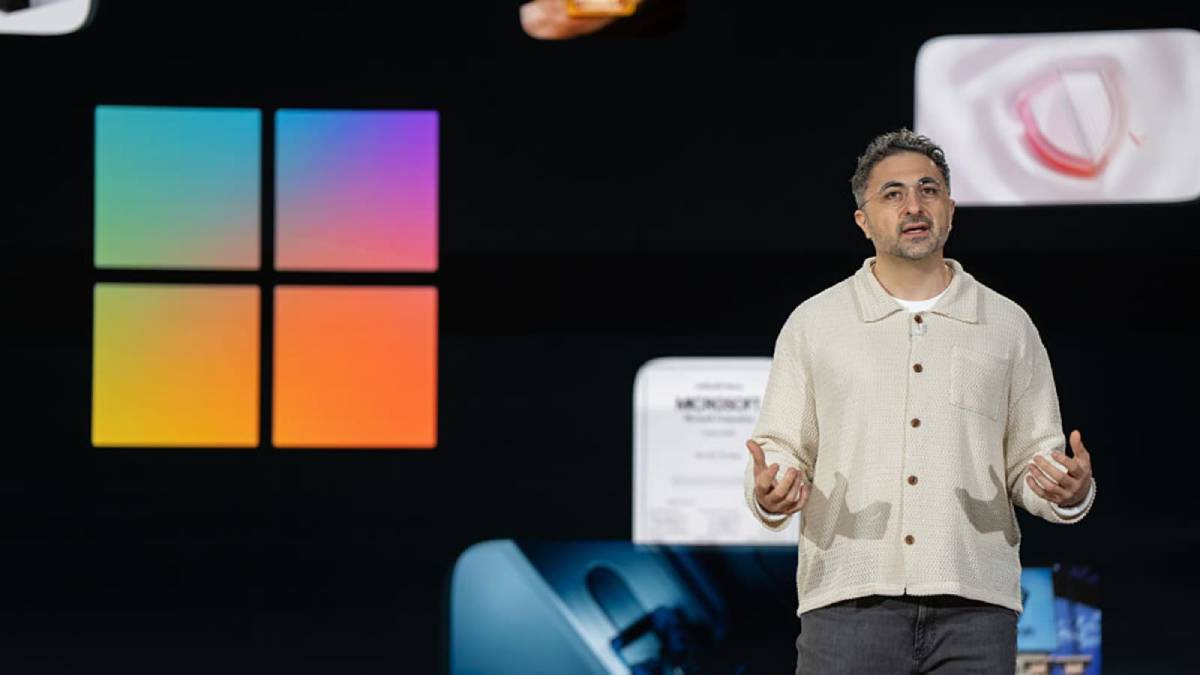
Microsoft AI CEO Mustafa Suleyman speaks during an event highlighting Microsoft Copilot

A major development unfolded as Microsoft reshuffled its Copilot AI leadership, freeing up Mustafa Suleyman to focus on building advanced AI models. The move signals a strategic pivot in the global AI race, with implications for enterprise software, competition with rivals, and the future of AI-powered productivity tools.

Microsoft Copilot AI has reorganized leadership within its Copilot division, reallocating responsibilities to streamline execution and innovation. The restructuring allows Mustafa Suleyman a key figure in Microsoft’s AI strategy to concentrate on developing next-generation AI models.

The shift comes amid intensifying competition in generative AI, where speed, model performance, and integration into enterprise ecosystems are critical differentiators. Copilot, embedded across Microsoft’s product suite, remains central to its AI monetization strategy.

Key stakeholders include enterprise customers, developers, investors, and partners. The leadership change underscores Microsoft’s intent to sharpen its competitive edge against rivals in the rapidly evolving AI landscape.

The development aligns with a broader trend across global markets where major technology firms are reorganizing internally to accelerate AI innovation. As generative AI becomes a core driver of growth, companies are prioritizing talent, infrastructure, and leadership structures to maintain momentum.

Microsoft has been at the forefront of this shift, integrating AI capabilities into flagship products such as Microsoft 365 and its Copilot offerings. The company’s strategic investments in AI partnerships and infrastructure have positioned it as a leading contender in the space.

The appointment of Mustafa Suleyman co-founder of DeepMind marked a significant step in strengthening Microsoft’s AI leadership. His expanded focus on model development reflects the increasing importance of foundational AI capabilities as competition intensifies across the industry.

Industry analysts interpret the leadership reshuffle as a calculated move to separate operational execution from core AI research and development. By enabling Mustafa Suleyman to focus on model innovation, Microsoft is doubling down on the long-term race to build more powerful and efficient AI systems.

Experts suggest that this approach mirrors strategies adopted by leading AI firms, where dedicated teams focus exclusively on advancing model capabilities while others handle product integration and commercialization.

Corporate observers note that Microsoft’s ability to translate cutting-edge AI research into scalable enterprise solutions will be critical to sustaining its leadership position. They also highlight that leadership clarity can improve execution speed, a key factor in an industry defined by rapid innovation cycles.

For global executives, the restructuring signals a shift toward deeper investment in foundational AI capabilities. Businesses relying on Microsoft’s ecosystem can expect continued enhancements in AI-driven productivity tools, potentially reshaping workflows and operational efficiency.

Investors may view the move as a positive indicator of Microsoft’s long-term AI strategy, reinforcing its commitment to innovation and market leadership. However, it also underscores the high stakes and capital intensity of the AI race.

From a policy perspective, the concentration of AI talent and resources within major tech firms may attract increased regulatory scrutiny, particularly around competition, data usage, and the societal impact of advanced AI systems.

Looking ahead, attention will focus on how quickly Microsoft can translate this leadership shift into tangible advancements in AI model performance and product capabilities. Decision-makers should monitor competitive responses, particularly from global AI leaders, and the pace of innovation in enterprise AI solutions.

Uncertainty remains around execution timelines and market adoption, but the direction is clear: the AI race is intensifying, and leadership structure will be a निर्णायक factor.

Source: CNBC
Date: March 17, 2026

  • Featured tools
Scalenut AI
Free

Scalenut AI is an all-in-one SEO content platform that combines AI-driven writing, keyword research, competitor insights, and optimization tools to help you plan, create, and rank content.

#
SEO
Learn more
Murf Ai
Free

Murf AI Review – Advanced AI Voice Generator for Realistic Voiceovers

#
Text to Speech
Learn more

Learn more about future of AI

Join 80,000+ Ai enthusiast getting weekly updates on exciting AI tools.
Thank you! Your submission has been received!
Oops! Something went wrong while submitting the form.

Microsoft Restructures Copilot AI Leadership for Next Gen Development

March 18, 2026

Microsoft has reorganized leadership within its Copilot division, reallocating responsibilities to streamline execution and innovation. The restructuring allows Mustafa Suleyman a key figure in Microsoft’s AI strategy.

Microsoft AI CEO Mustafa Suleyman speaks during an event highlighting Microsoft Copilot

A major development unfolded as Microsoft reshuffled its Copilot AI leadership, freeing up Mustafa Suleyman to focus on building advanced AI models. The move signals a strategic pivot in the global AI race, with implications for enterprise software, competition with rivals, and the future of AI-powered productivity tools.

Microsoft Copilot AI has reorganized leadership within its Copilot division, reallocating responsibilities to streamline execution and innovation. The restructuring allows Mustafa Suleyman a key figure in Microsoft’s AI strategy to concentrate on developing next-generation AI models.

The shift comes amid intensifying competition in generative AI, where speed, model performance, and integration into enterprise ecosystems are critical differentiators. Copilot, embedded across Microsoft’s product suite, remains central to its AI monetization strategy.

Key stakeholders include enterprise customers, developers, investors, and partners. The leadership change underscores Microsoft’s intent to sharpen its competitive edge against rivals in the rapidly evolving AI landscape.

The development aligns with a broader trend across global markets where major technology firms are reorganizing internally to accelerate AI innovation. As generative AI becomes a core driver of growth, companies are prioritizing talent, infrastructure, and leadership structures to maintain momentum.

Microsoft has been at the forefront of this shift, integrating AI capabilities into flagship products such as Microsoft 365 and its Copilot offerings. The company’s strategic investments in AI partnerships and infrastructure have positioned it as a leading contender in the space.

The appointment of Mustafa Suleyman co-founder of DeepMind marked a significant step in strengthening Microsoft’s AI leadership. His expanded focus on model development reflects the increasing importance of foundational AI capabilities as competition intensifies across the industry.

Industry analysts interpret the leadership reshuffle as a calculated move to separate operational execution from core AI research and development. By enabling Mustafa Suleyman to focus on model innovation, Microsoft is doubling down on the long-term race to build more powerful and efficient AI systems.

Experts suggest that this approach mirrors strategies adopted by leading AI firms, where dedicated teams focus exclusively on advancing model capabilities while others handle product integration and commercialization.

Corporate observers note that Microsoft’s ability to translate cutting-edge AI research into scalable enterprise solutions will be critical to sustaining its leadership position. They also highlight that leadership clarity can improve execution speed, a key factor in an industry defined by rapid innovation cycles.

For global executives, the restructuring signals a shift toward deeper investment in foundational AI capabilities. Businesses relying on Microsoft’s ecosystem can expect continued enhancements in AI-driven productivity tools, potentially reshaping workflows and operational efficiency.

Investors may view the move as a positive indicator of Microsoft’s long-term AI strategy, reinforcing its commitment to innovation and market leadership. However, it also underscores the high stakes and capital intensity of the AI race.

From a policy perspective, the concentration of AI talent and resources within major tech firms may attract increased regulatory scrutiny, particularly around competition, data usage, and the societal impact of advanced AI systems.

Looking ahead, attention will focus on how quickly Microsoft can translate this leadership shift into tangible advancements in AI model performance and product capabilities. Decision-makers should monitor competitive responses, particularly from global AI leaders, and the pace of innovation in enterprise AI solutions.

Uncertainty remains around execution timelines and market adoption, but the direction is clear: the AI race is intensifying, and leadership structure will be a निर्णायक factor.

Source: CNBC
Date: March 17, 2026

Promote Your Tool

Copy Embed Code

Similar Blogs

March 18, 2026
|

Micron Set for Earnings Surge from AI Demand

Micron is set to report its Q1 2026 earnings next week, with analysts forecasting substantial year-over-year growth due to heightened demand for DRAM and NAND memory in AI applications.
Read more
March 18, 2026
|

Meta Manus Expands AI Agent Desktop Reach

Meta’s Manus desktop app allows users to deploy the AI agent outside cloud-only environments, enhancing speed, personalization, and offline capabilities.
Read more
March 18, 2026
|

AI Advertising Crackdown Bans “Remove Anything” Claims

The ruling by the Advertising Standards Authority determined that the ad’s claims were misleading and could exaggerate the app’s capabilities.
Read more
March 18, 2026
|

Court Ruling Boosts Perplexity AI Competition

A court decision has halted efforts by Amazon to ban or limit AI agents developed by Perplexity AI on its platform. The ruling allows continued deployment and operation of these AI tools, at least temporarily.
Read more
March 18, 2026
|

Compute Divide Intensifies US China AI Rivalry

The growing disparity in computing power driven by access to advanced semiconductors and large-scale data centers is becoming central to AI competitiveness.
Read more
March 18, 2026
|

Samsung Signals AI Driven Chip Boom Into 2026

An executive at Samsung Electronics indicated that demand for AI-related semiconductors is expected to remain robust through 2026, driven by expanding use cases in data.
Read more