
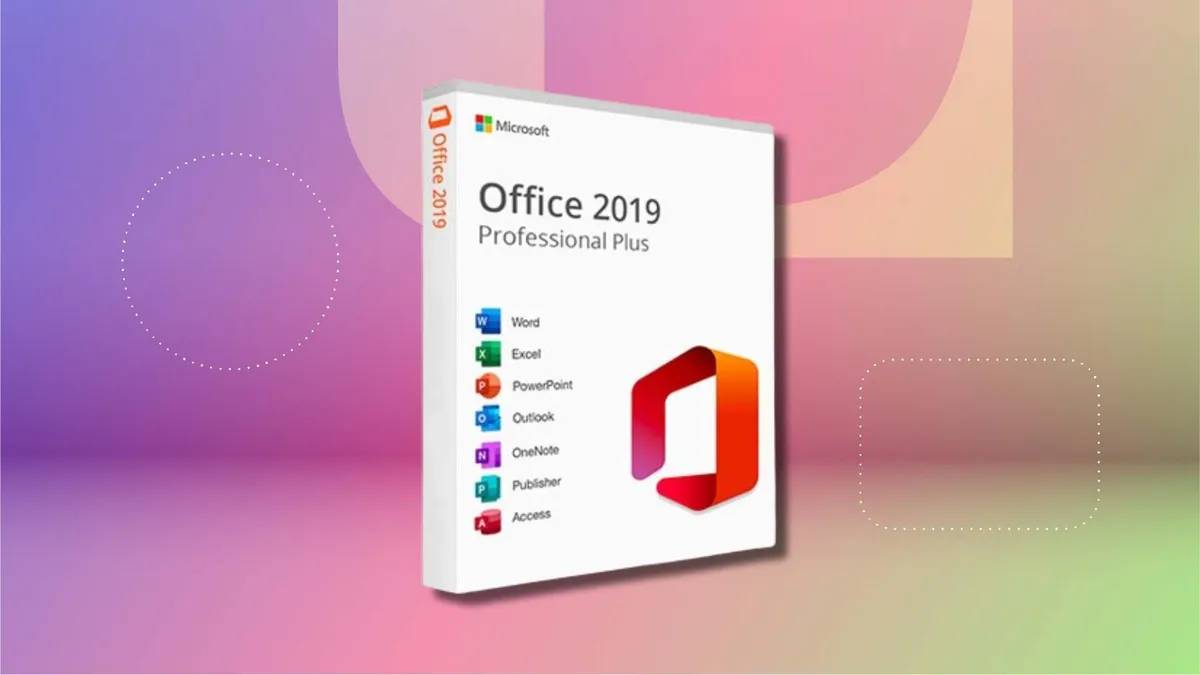
Microsoft Ends Office 2019 Mac Support

Microsoft has confirmed that Office 2019 for Mac will no longer receive a necessary update, limiting user functionality to read-only mode for certain file operations.

June 4, 2026
|
Image Source: CNET

A significant software lifecycle shift has been announced as Microsoft confirms reduced support for Office 2019 on Mac systems, resulting in restricted functionality for users. The change effectively transitions affected installations into a read-only state, highlighting broader challenges around software obsolescence, enterprise productivity continuity, and long-term licensing dependency in global enterprise ecosystems.

Microsoft has confirmed that Office 2019 for Mac will no longer receive a necessary update, limiting user functionality to read-only mode for certain file operations. This means users may still access documents but will be unable to edit or fully utilize productivity features without upgrading.

The change affects a significant installed base of legacy enterprise and individual users who have not migrated to newer subscription-based Office versions. The decision aligns with Microsoft’s broader strategy of encouraging transitions toward cloud-based and subscription-driven productivity suites such as Microsoft 365. The update effectively accelerates software lifecycle replacement cycles across Mac enterprise environments.

Software lifecycle management has become increasingly central to enterprise IT strategy, particularly as vendors shift from perpetual licensing models to subscription-based ecosystems. Microsoft has been at the forefront of this transition, steadily migrating users from standalone Office versions toward cloud-connected productivity platforms.

Office 2019 represents one of the last widely used perpetual-license releases, particularly among cost-sensitive organisations and users resistant to recurring subscription fees. However, maintaining legacy software introduces security, compatibility, and support challenges.

Across the global enterprise software market, vendors are increasingly prioritising continuous update models to ensure security compliance and feature parity. This shift reflects broader industry dynamics where cloud infrastructure enables real-time updates, but also increases vendor control over software access and lifecycle enforcement.

Industry analysts suggest that the move underscores Microsoft’s long-term strategy to consolidate users within its cloud ecosystem. Experts note that read-only restrictions on legacy software often serve as a transitional mechanism to encourage migration without immediate service disruption.

Enterprise IT specialists argue that organisations relying on perpetual licenses may face operational inefficiencies if upgrade cycles are not proactively managed. While official messaging from Microsoft typically emphasises security and performance improvements, analysts highlight the commercial incentive of recurring subscription revenue.

Cybersecurity observers also point out that unsupported software versions present increasing risks, particularly in enterprise environments handling sensitive data. As a result, IT departments are expected to accelerate migration strategies toward supported platforms, balancing cost considerations with compliance and operational continuity requirements.

For businesses, the transition increases pressure to adopt subscription-based productivity suites, potentially raising long-term operational costs but improving security and feature access. Enterprises using legacy Office versions may need to reassess IT budgets and migration timelines.

For investors, the shift reinforces Microsoft’s recurring revenue model strength, which remains a key driver of enterprise software valuations. For consumers and small businesses, the change may introduce short-term disruption, particularly for users reliant on older Mac systems. From a policy perspective, the development raises broader questions about software ownership, digital dependency, and vendor lock-in in critical productivity infrastructure.

Going forward, further migration pressure toward Microsoft 365 is expected as legacy Office versions lose functionality and support. Key factors to watch include enterprise adoption rates, pricing sensitivity among small businesses, and potential pushback from long-term license users. The broader software industry is likely to continue shifting toward cloud-first models, where access and functionality are increasingly tied to ongoing subscriptions rather than perpetual ownership.

Source: CNET
Date: June 4, 2026

  • Featured tools
WellSaid Ai
Free

WellSaid AI is an advanced text-to-speech platform that transforms written text into lifelike, human-quality voiceovers.

#
Text to Speech
Learn more
Neuron AI
Free

Neuron AI is an AI-driven content optimization platform that helps creators produce SEO-friendly content by combining semantic SEO, competitor analysis, and AI-assisted writing workflows.

#
SEO
Learn more

Learn more about future of AI

Join 80,000+ Ai enthusiast getting weekly updates on exciting AI tools.
Thank you! Your submission has been received!
Oops! Something went wrong while submitting the form.

Microsoft Ends Office 2019 Mac Support

June 4, 2026

Microsoft has confirmed that Office 2019 for Mac will no longer receive a necessary update, limiting user functionality to read-only mode for certain file operations.

Image Source: CNET

A significant software lifecycle shift has been announced as Microsoft confirms reduced support for Office 2019 on Mac systems, resulting in restricted functionality for users. The change effectively transitions affected installations into a read-only state, highlighting broader challenges around software obsolescence, enterprise productivity continuity, and long-term licensing dependency in global enterprise ecosystems.

Microsoft has confirmed that Office 2019 for Mac will no longer receive a necessary update, limiting user functionality to read-only mode for certain file operations. This means users may still access documents but will be unable to edit or fully utilize productivity features without upgrading.

The change affects a significant installed base of legacy enterprise and individual users who have not migrated to newer subscription-based Office versions. The decision aligns with Microsoft’s broader strategy of encouraging transitions toward cloud-based and subscription-driven productivity suites such as Microsoft 365. The update effectively accelerates software lifecycle replacement cycles across Mac enterprise environments.

Software lifecycle management has become increasingly central to enterprise IT strategy, particularly as vendors shift from perpetual licensing models to subscription-based ecosystems. Microsoft has been at the forefront of this transition, steadily migrating users from standalone Office versions toward cloud-connected productivity platforms.

Office 2019 represents one of the last widely used perpetual-license releases, particularly among cost-sensitive organisations and users resistant to recurring subscription fees. However, maintaining legacy software introduces security, compatibility, and support challenges.

Across the global enterprise software market, vendors are increasingly prioritising continuous update models to ensure security compliance and feature parity. This shift reflects broader industry dynamics where cloud infrastructure enables real-time updates, but also increases vendor control over software access and lifecycle enforcement.

Industry analysts suggest that the move underscores Microsoft’s long-term strategy to consolidate users within its cloud ecosystem. Experts note that read-only restrictions on legacy software often serve as a transitional mechanism to encourage migration without immediate service disruption.

Enterprise IT specialists argue that organisations relying on perpetual licenses may face operational inefficiencies if upgrade cycles are not proactively managed. While official messaging from Microsoft typically emphasises security and performance improvements, analysts highlight the commercial incentive of recurring subscription revenue.

Cybersecurity observers also point out that unsupported software versions present increasing risks, particularly in enterprise environments handling sensitive data. As a result, IT departments are expected to accelerate migration strategies toward supported platforms, balancing cost considerations with compliance and operational continuity requirements.

For businesses, the transition increases pressure to adopt subscription-based productivity suites, potentially raising long-term operational costs but improving security and feature access. Enterprises using legacy Office versions may need to reassess IT budgets and migration timelines.

For investors, the shift reinforces Microsoft’s recurring revenue model strength, which remains a key driver of enterprise software valuations. For consumers and small businesses, the change may introduce short-term disruption, particularly for users reliant on older Mac systems. From a policy perspective, the development raises broader questions about software ownership, digital dependency, and vendor lock-in in critical productivity infrastructure.

Going forward, further migration pressure toward Microsoft 365 is expected as legacy Office versions lose functionality and support. Key factors to watch include enterprise adoption rates, pricing sensitivity among small businesses, and potential pushback from long-term license users. The broader software industry is likely to continue shifting toward cloud-first models, where access and functionality are increasingly tied to ongoing subscriptions rather than perpetual ownership.

Source: CNET
Date: June 4, 2026

Promote Your Tool

Copy Embed Code

Similar Blogs

June 4, 2026
|

Amazon Ring Faces Facial Recognition Scrutiny

Amazon’s Ring division is facing allegations that its facial recognition and AI-based monitoring features may violate privacy laws.
Read more
June 4, 2026
|

Microsoft Ends Office 2019 Mac Support

Microsoft has confirmed that Office 2019 for Mac will no longer receive a necessary update, limiting user functionality to read-only mode for certain file operations.
Read more
June 4, 2026
|

Apple iPhone Fold Enters Foldable Race

The anticipated iPhone Fold is expected to represent Apple’s first entry into the foldable smartphone category, a segment currently dominated by competing Android manufacturers.
Read more
June 4, 2026
|

Polaroid Launches Go Gen 3 Camera

The new Polaroid Go Generation 3 camera introduces incremental upgrades to the company’s compact instant camera lineup, focusing on portability, ease of use, and enhanced image output.
Read more
June 4, 2026
|

Supernatural VR Fitness Returns Independent Platform

Supernatural, a leading VR fitness application, is re-emerging as a standalone platform outside of major corporate ownership.
Read more
June 4, 2026
|

AI Progress Reveals Limits Transformation Promise

Recent analysis around AI development points to a widening gap between expectations and measurable economic outcomes. While models continue to improve in reasoning, generation, and automation tasks.
Read more