



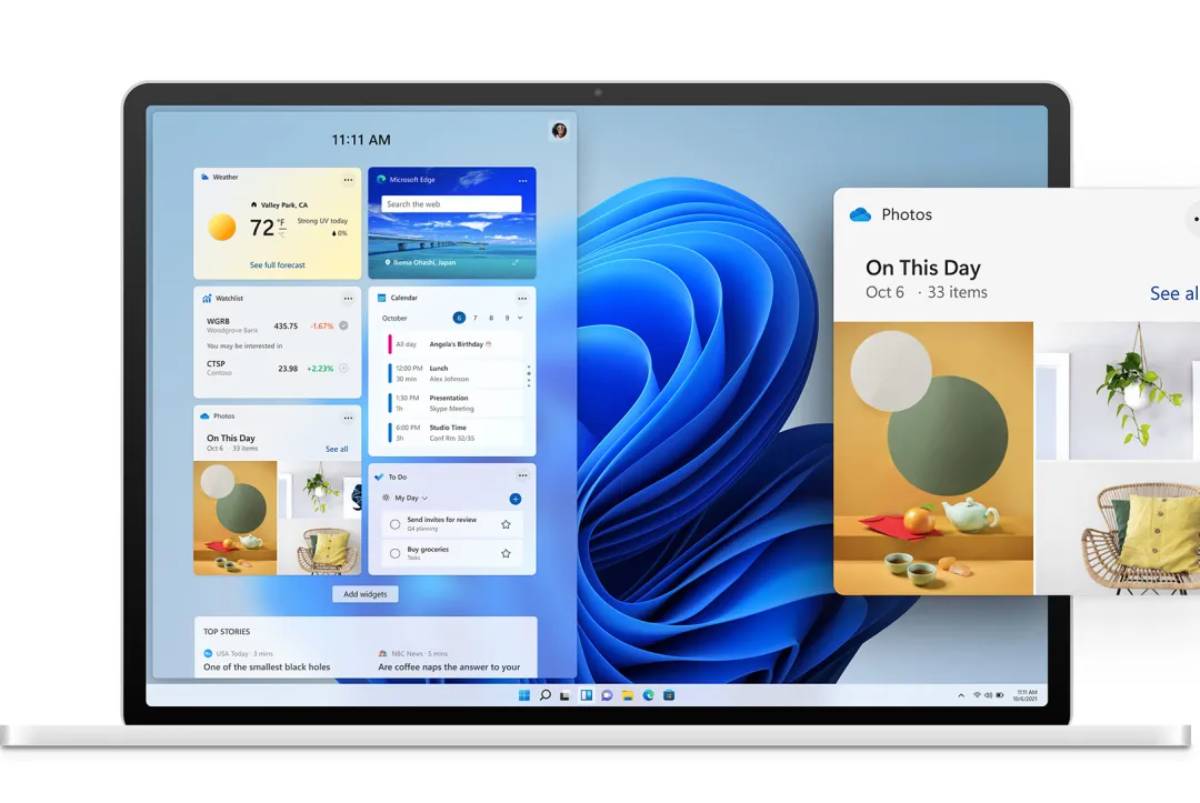
Microsoft is removing the MSN-driven content feed from Windows Widgets, marking a shift toward a more streamlined and user-controlled experience. The move reflects growing pressure to reduce content clutter in operating systems and improve personalization. It also signals how platform providers are rethinking engagement models in desktop software ecosystems.
Microsoft has confirmed changes to the Windows Widgets panel that will allow users to disable or significantly reduce the MSN news feed integration. The update aims to simplify the widget interface, which has long been criticized for surfacing algorithmically curated content that many users consider irrelevant or repetitive.
The rollout is expected through upcoming Windows updates, with gradual regional deployment. Microsoft has positioned the change as part of broader efforts to improve user experience and customization across Windows 11 and future builds. The decision also reflects ongoing feedback loops between users and platform designers about content relevance in operating system-level services.
The Windows Widgets feature was introduced as part of Microsoft’s push toward a more dynamic, information-rich desktop environment. However, its integration with MSN content has repeatedly drawn criticism from users who prefer utility-focused tools over news aggregation.
Across the tech industry, there is a visible shift away from default content feeds embedded into core interfaces, as companies respond to concerns about digital clutter, engagement manipulation, and information overload. Similar adjustments have been seen in mobile ecosystems, where personalization controls are increasingly prioritized.
Microsoft’s move also aligns with a broader operating system strategy focused on productivity and enterprise adoption. With Windows remaining a dominant platform in corporate environments, reducing distraction-heavy elements can strengthen its positioning in business and professional markets.
User experience analysts suggest that Microsoft’s decision reflects a broader recalibration of “attention-driven design,” where default content feeds are being replaced by opt-in models. This shift is often driven by declining tolerance for algorithmic news surfaces in productivity environments.
Industry observers note that operating system vendors are increasingly treating content integration as a secondary feature rather than a core engagement driver. Instead, emphasis is moving toward modular interfaces that allow enterprises and individuals to tailor information density.
While Microsoft has not framed the change as a full removal of MSN infrastructure, product strategists indicate the company is focusing on reducing friction in daily workflows. UX researchers argue this may improve enterprise adoption rates, particularly in regulated industries where controlled information environments are preferred.
For enterprises, the update may improve workplace productivity by reducing non-essential content exposure within default operating system tools. IT administrators could also gain tighter control over desktop information environments, aligning with corporate governance standards.
For Microsoft, the move reinforces its enterprise-first positioning, where Windows is increasingly optimized for productivity rather than content consumption. It may also reduce dependency on engagement-driven content strategies that are more common in consumer platforms.
From a broader perspective, regulators and digital policy analysts continue to monitor how default content systems influence user attention and data flows, particularly in large-scale software ecosystems.
Future Windows updates are likely to expand customization options across other system-level surfaces, including search, recommendations, and lock-screen content. The direction suggests a broader industry shift toward modular operating systems. The key question ahead is whether Microsoft will further decouple consumer content services from core productivity interfaces as enterprise demand continues to grow.
Source: The Verge
Date: May 2026


