
Nvidia CEO Huang Reassures Markets Amid AI-Driven Stock Volatility

Nvidia’s stock has fallen sharply in recent sessions, with the selloff attributed to concerns over AI market saturation, competition, and the sustainability of high valuations.

February 24, 2026
|
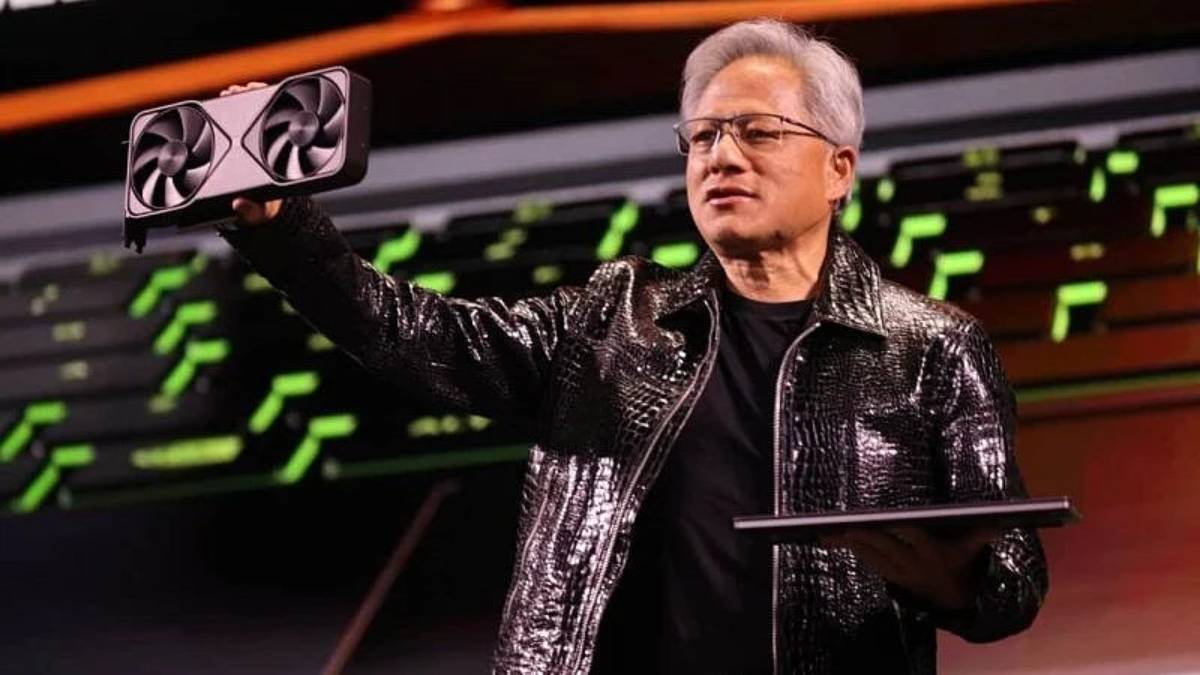
Nvidia CEO Jensen Huang

A major development unfolded as Nvidia CEO Jensen Huang addressed growing investor concerns over AI-related market volatility, reassuring stakeholders that the company’s strategic positioning remains robust. The comments come amid a deepening selloff in Nvidia shares, highlighting broader investor sensitivity to AI hype and its potential impact on technology sector valuations globally.

Huang emphasized Nvidia’s long-term strategy, citing continued investment in AI computing, GPUs, and enterprise solutions as pillars for growth. Analysts note that despite short-term market turbulence, Nvidia’s AI ecosystem including partnerships with Microsoft, Google, and OpenAI positions the company to capture future demand across cloud, data center, and generative AI workloads.

The selloff has also affected broader technology indices, reflecting investor anxiety over AI-driven disruption across semiconductor and software sectors.

The development aligns with a broader trend where AI hype cycles increasingly influence global stock markets. Nvidia has been a bellwether for AI adoption, supplying high-performance GPUs to data centers, cloud providers, and AI startups worldwide.

Recent gains in AI-generated content, autonomous systems, and enterprise AI solutions have fueled investor enthusiasm, driving Nvidia’s stock to historically high valuations. However, short-term corrections reflect market caution over the pace of AI monetization, potential regulatory scrutiny, and competition from Intel, AMD, and emerging AI chipmakers.

Geopolitically, AI technology is central to U.S.-China competition, where semiconductor leadership underpins national economic security. For executives and investors, understanding Nvidia’s positioning provides insight into both AI market dynamics and the broader semiconductor supply chain.

Analysts stress that Nvidia’s fundamentals remain strong despite stock volatility. “Huang’s assurances underscore Nvidia’s strategic moat in GPUs and AI infrastructure, which competitors cannot easily replicate,” said a senior technology sector analyst.

Industry experts highlight Nvidia’s dominant role in powering AI workloads, noting the company’s investments in AI hardware, software frameworks like CUDA, and partnerships with hyperscale cloud providers. Some caution that short-term investor panic may be driven more by market psychology than by underlying business risks.

Corporate strategists also point to Nvidia’s expansion into AI chips for autonomous vehicles and enterprise AI, framing these initiatives as long-term growth drivers. Geopolitical observers note that continued U.S. government support for semiconductor innovation further reinforces Nvidia’s market position against global competitors.

For global executives, the selloff highlights the volatility inherent in AI-driven markets and the need for robust risk management strategies. Businesses dependent on AI infrastructure may face temporary cost fluctuations or investment hesitancy, while investors are prompted to reassess portfolio allocations in tech-heavy sectors.

Market volatility could influence capital raising, mergers, and acquisitions, particularly in AI and semiconductor segments. Policymakers may also monitor market movements, balancing support for innovation with investor protection. Analysts warn companies reliant on AI ecosystems may need to diversify suppliers, reinforce innovation pipelines, and prepare for regulatory scrutiny to mitigate operational and financial risks.

Decision-makers should watch Nvidia’s quarterly earnings, adoption rates of AI platforms, and developments in GPU technology. Investor confidence may hinge on tangible growth in AI workloads, enterprise adoption, and competition dynamics. Uncertainties remain around AI regulation, market sentiment, and technological breakthroughs. Nvidia’s strategic execution over the next 12 months will likely set benchmarks for AI hardware adoption and influence global tech investment trends.

Source & Date

Source: Business Standard
Date: February 4, 2026

  • Featured tools
Twistly AI
Paid

Twistly AI is a PowerPoint add-in that allows users to generate full slide decks, improve existing presentations, and convert various content types into polished slides directly within Microsoft PowerPoint.It streamlines presentation creation using AI-powered text analysis, image generation and content conversion.

#
Presentation
Learn more
WellSaid Ai
Free

WellSaid AI is an advanced text-to-speech platform that transforms written text into lifelike, human-quality voiceovers.

#
Text to Speech
Learn more

Learn more about future of AI

Join 80,000+ Ai enthusiast getting weekly updates on exciting AI tools.
Thank you! Your submission has been received!
Oops! Something went wrong while submitting the form.

Nvidia CEO Huang Reassures Markets Amid AI-Driven Stock Volatility

February 24, 2026

Nvidia’s stock has fallen sharply in recent sessions, with the selloff attributed to concerns over AI market saturation, competition, and the sustainability of high valuations.

Nvidia CEO Jensen Huang

A major development unfolded as Nvidia CEO Jensen Huang addressed growing investor concerns over AI-related market volatility, reassuring stakeholders that the company’s strategic positioning remains robust. The comments come amid a deepening selloff in Nvidia shares, highlighting broader investor sensitivity to AI hype and its potential impact on technology sector valuations globally.

Huang emphasized Nvidia’s long-term strategy, citing continued investment in AI computing, GPUs, and enterprise solutions as pillars for growth. Analysts note that despite short-term market turbulence, Nvidia’s AI ecosystem including partnerships with Microsoft, Google, and OpenAI positions the company to capture future demand across cloud, data center, and generative AI workloads.

The selloff has also affected broader technology indices, reflecting investor anxiety over AI-driven disruption across semiconductor and software sectors.

The development aligns with a broader trend where AI hype cycles increasingly influence global stock markets. Nvidia has been a bellwether for AI adoption, supplying high-performance GPUs to data centers, cloud providers, and AI startups worldwide.

Recent gains in AI-generated content, autonomous systems, and enterprise AI solutions have fueled investor enthusiasm, driving Nvidia’s stock to historically high valuations. However, short-term corrections reflect market caution over the pace of AI monetization, potential regulatory scrutiny, and competition from Intel, AMD, and emerging AI chipmakers.

Geopolitically, AI technology is central to U.S.-China competition, where semiconductor leadership underpins national economic security. For executives and investors, understanding Nvidia’s positioning provides insight into both AI market dynamics and the broader semiconductor supply chain.

Analysts stress that Nvidia’s fundamentals remain strong despite stock volatility. “Huang’s assurances underscore Nvidia’s strategic moat in GPUs and AI infrastructure, which competitors cannot easily replicate,” said a senior technology sector analyst.

Industry experts highlight Nvidia’s dominant role in powering AI workloads, noting the company’s investments in AI hardware, software frameworks like CUDA, and partnerships with hyperscale cloud providers. Some caution that short-term investor panic may be driven more by market psychology than by underlying business risks.

Corporate strategists also point to Nvidia’s expansion into AI chips for autonomous vehicles and enterprise AI, framing these initiatives as long-term growth drivers. Geopolitical observers note that continued U.S. government support for semiconductor innovation further reinforces Nvidia’s market position against global competitors.

For global executives, the selloff highlights the volatility inherent in AI-driven markets and the need for robust risk management strategies. Businesses dependent on AI infrastructure may face temporary cost fluctuations or investment hesitancy, while investors are prompted to reassess portfolio allocations in tech-heavy sectors.

Market volatility could influence capital raising, mergers, and acquisitions, particularly in AI and semiconductor segments. Policymakers may also monitor market movements, balancing support for innovation with investor protection. Analysts warn companies reliant on AI ecosystems may need to diversify suppliers, reinforce innovation pipelines, and prepare for regulatory scrutiny to mitigate operational and financial risks.

Decision-makers should watch Nvidia’s quarterly earnings, adoption rates of AI platforms, and developments in GPU technology. Investor confidence may hinge on tangible growth in AI workloads, enterprise adoption, and competition dynamics. Uncertainties remain around AI regulation, market sentiment, and technological breakthroughs. Nvidia’s strategic execution over the next 12 months will likely set benchmarks for AI hardware adoption and influence global tech investment trends.

Source & Date

Source: Business Standard
Date: February 4, 2026

Promote Your Tool

Copy Embed Code

Similar Blogs

July 24, 2026
|

DigiSigner Enhances Digital Document Security

DigiSigner is an electronic signature platform designed to help users sign PDF documents digitally without relying on physical paperwork.
Read more
July 24, 2026
|

imgbox Expands Global Image Sharing

imgbox is an online image-hosting platform designed to help users upload, store, and share images quickly through direct links.
Read more
July 24, 2026
|

Camdiv Enhances Desktop Camera Communication

Camdiv represents a category of desktop camera and image-related utilities focused on providing users with simple tools for managing visual content.
Read more
July 24, 2026
|

All Manga Expands Digital Manga Discovery

All Manga operates within the expanding ecosystem of digital manga platforms designed to help readers discover and organize Japanese comics and related content.
Read more
July 24, 2026
|

Y2mate Expands Flexible Video Access

Y2mate represents a category of online video utility platforms focused on converting and managing digital video content.
Read more
July 24, 2026
|

X Video Downloader Expands Media Access

X Video Downloader represents a category of software focused on simplifying video access and personal media management.
Read more