
Nvidia Microsoft Redefine Personal AI PCs

Nvidia and Microsoft announced a series of advancements aimed at enabling Windows PCs to run sophisticated AI agents locally, reducing dependence on cloud infrastructure while improving performance.

June 2, 2026
|
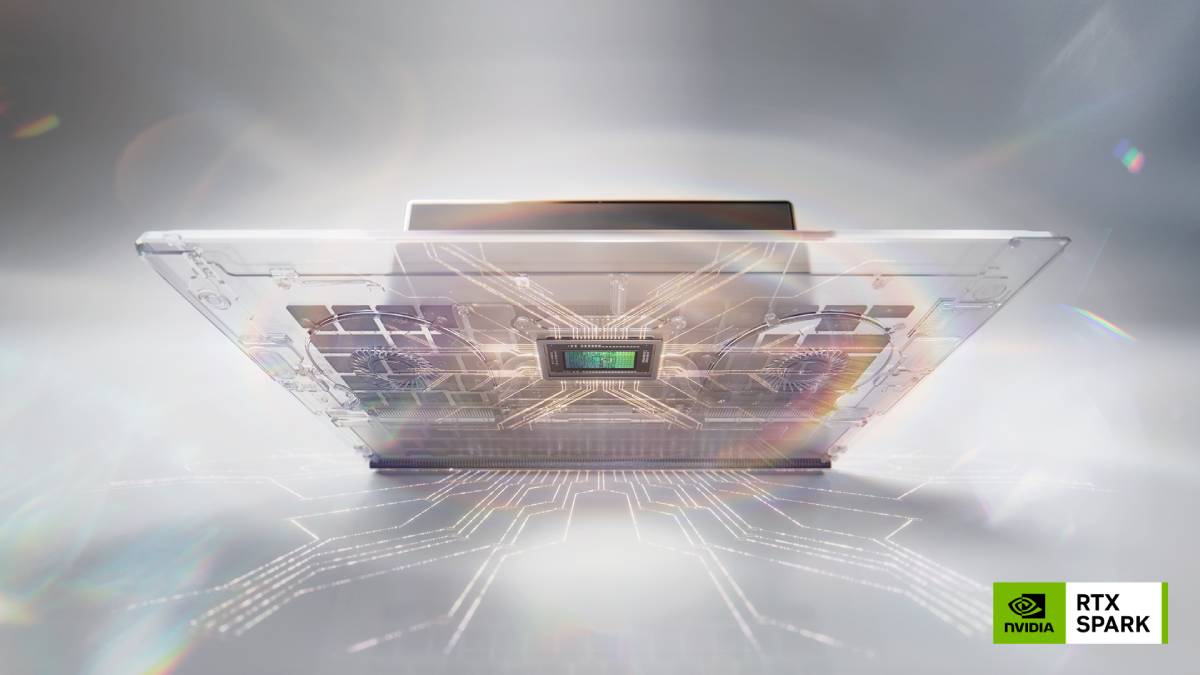
Image Source:  Nvidia Newsroom

A major shift in personal computing is underway as Nvidia and Microsoft unveiled new technologies designed to transform Windows PCs into platforms for autonomous AI agents and on-device intelligence. The collaboration signals a strategic evolution beyond traditional computing, positioning AI-powered PCs as the next growth engine for the technology industry, enterprises, and digital consumers worldwide.

Nvidia and Microsoft announced a series of advancements aimed at enabling Windows PCs to run sophisticated AI agents locally, reducing dependence on cloud infrastructure while improving performance, privacy, and responsiveness.

Central to the initiative is Nvidia’s RTX-powered AI computing platform, including DGX Spark technologies, which are designed to support advanced AI workloads directly on personal devices. Microsoft is integrating AI capabilities more deeply into the Windows ecosystem, creating a framework where AI agents can interact with applications, manage workflows, and assist users across a broad range of tasks.

The partnership represents a significant milestone in the emerging AI-PC category, an area attracting substantial investment from semiconductor companies, software providers, and hardware manufacturers seeking to capitalize on the next wave of computing innovation.

The development aligns with a broader trend across global markets where artificial intelligence is increasingly moving from centralized cloud environments to edge devices and personal computing platforms.

For decades, personal computers served primarily as productivity and content-consumption tools. However, advances in AI models, specialized processors, and accelerated computing architectures have created opportunities to transform PCs into intelligent systems capable of reasoning, automation, and real-time assistance.

The AI-PC movement has gained momentum as enterprises seek solutions that address concerns surrounding latency, data privacy, cybersecurity, and cloud-computing costs. Running AI models directly on devices allows organizations to process sensitive information locally while reducing dependence on remote infrastructure.

For Nvidia, the initiative extends its dominance in AI infrastructure into the broader PC ecosystem. For Microsoft, it reinforces a long-term strategy of embedding AI across Windows, Office, enterprise software, and cloud services.

The move also reflects growing geopolitical competition around AI leadership. Governments and corporations increasingly view AI-enabled computing as a strategic asset capable of influencing productivity, economic growth, and technological sovereignty.

Historically, major computing transitions from desktops to the internet, smartphones, and cloud computing have reshaped market leaders. Industry observers believe AI-powered PCs may represent the next major platform shift.

Technology analysts view the Nvidia-Microsoft collaboration as one of the strongest signals yet that AI agents are moving from experimental technology into mainstream computing environments.

Industry experts argue that the ability to run advanced AI models locally could fundamentally change how users interact with software. Instead of manually navigating applications, users may increasingly rely on intelligent agents capable of understanding goals, coordinating workflows, and completing tasks autonomously.

Nvidia executives have emphasized a future in which AI agents become personal digital collaborators, capable of handling complex workloads ranging from content creation and coding to research and enterprise productivity. Microsoft has similarly positioned AI as a foundational component of the next generation of Windows experiences.

Market strategists note that widespread adoption will depend on software ecosystem development, hardware affordability, and user trust. While the technology is advancing rapidly, organizations will require clear business value before deploying AI-powered PCs at scale.

Many analysts believe that the competitive advantage will increasingly shift toward companies capable of integrating hardware, software, and AI services into seamless user experiences.

For business leaders, the rise of AI-native PCs could significantly alter workplace productivity strategies. Organizations may reevaluate technology investments as local AI processing enables more secure, responsive, and cost-effective deployment models.

Investors are likely to monitor demand for AI-capable hardware, semiconductor technologies, enterprise software, and supporting infrastructure. The initiative may also create new growth opportunities across device manufacturing, cybersecurity, and AI application development.

For consumers, AI-powered PCs promise more personalized and efficient computing experiences. However, policymakers and regulators may face new challenges related to data governance, AI transparency, cybersecurity standards, and digital rights as intelligent agents become deeply integrated into everyday computing environments.

The shift could ultimately redefine the relationship between users and technology. The next phase will focus on adoption rates, software ecosystem expansion, and the practical effectiveness of AI agents in real-world environments. Decision-makers should monitor enterprise deployment trends, developer engagement, and evolving standards for AI governance.

As AI becomes embedded directly into personal computing, the distinction between software, hardware, and digital assistance is beginning to blur. Nvidia and Microsoft’s latest initiative suggests that the future of computing may be defined not by applications alone, but by intelligent agents capable of working alongside users in real time.

Source: Nvidia Newsroom
Date: June 2, 2026

  • Featured tools
Murf Ai
Free

Murf AI Review – Advanced AI Voice Generator for Realistic Voiceovers

#
Text to Speech
Learn more
Writesonic AI
Free

Writesonic AI is a versatile AI writing platform designed for marketers, entrepreneurs, and content creators. It helps users create blog posts, ad copies, product descriptions, social media posts, and more with ease. With advanced AI models and user-friendly tools, Writesonic streamlines content production and saves time for busy professionals.

#
Copywriting
Learn more

Learn more about future of AI

Join 80,000+ Ai enthusiast getting weekly updates on exciting AI tools.
Thank you! Your submission has been received!
Oops! Something went wrong while submitting the form.

Nvidia Microsoft Redefine Personal AI PCs

June 2, 2026

Nvidia and Microsoft announced a series of advancements aimed at enabling Windows PCs to run sophisticated AI agents locally, reducing dependence on cloud infrastructure while improving performance.

Image Source:  Nvidia Newsroom

A major shift in personal computing is underway as Nvidia and Microsoft unveiled new technologies designed to transform Windows PCs into platforms for autonomous AI agents and on-device intelligence. The collaboration signals a strategic evolution beyond traditional computing, positioning AI-powered PCs as the next growth engine for the technology industry, enterprises, and digital consumers worldwide.

Nvidia and Microsoft announced a series of advancements aimed at enabling Windows PCs to run sophisticated AI agents locally, reducing dependence on cloud infrastructure while improving performance, privacy, and responsiveness.

Central to the initiative is Nvidia’s RTX-powered AI computing platform, including DGX Spark technologies, which are designed to support advanced AI workloads directly on personal devices. Microsoft is integrating AI capabilities more deeply into the Windows ecosystem, creating a framework where AI agents can interact with applications, manage workflows, and assist users across a broad range of tasks.

The partnership represents a significant milestone in the emerging AI-PC category, an area attracting substantial investment from semiconductor companies, software providers, and hardware manufacturers seeking to capitalize on the next wave of computing innovation.

The development aligns with a broader trend across global markets where artificial intelligence is increasingly moving from centralized cloud environments to edge devices and personal computing platforms.

For decades, personal computers served primarily as productivity and content-consumption tools. However, advances in AI models, specialized processors, and accelerated computing architectures have created opportunities to transform PCs into intelligent systems capable of reasoning, automation, and real-time assistance.

The AI-PC movement has gained momentum as enterprises seek solutions that address concerns surrounding latency, data privacy, cybersecurity, and cloud-computing costs. Running AI models directly on devices allows organizations to process sensitive information locally while reducing dependence on remote infrastructure.

For Nvidia, the initiative extends its dominance in AI infrastructure into the broader PC ecosystem. For Microsoft, it reinforces a long-term strategy of embedding AI across Windows, Office, enterprise software, and cloud services.

The move also reflects growing geopolitical competition around AI leadership. Governments and corporations increasingly view AI-enabled computing as a strategic asset capable of influencing productivity, economic growth, and technological sovereignty.

Historically, major computing transitions from desktops to the internet, smartphones, and cloud computing have reshaped market leaders. Industry observers believe AI-powered PCs may represent the next major platform shift.

Technology analysts view the Nvidia-Microsoft collaboration as one of the strongest signals yet that AI agents are moving from experimental technology into mainstream computing environments.

Industry experts argue that the ability to run advanced AI models locally could fundamentally change how users interact with software. Instead of manually navigating applications, users may increasingly rely on intelligent agents capable of understanding goals, coordinating workflows, and completing tasks autonomously.

Nvidia executives have emphasized a future in which AI agents become personal digital collaborators, capable of handling complex workloads ranging from content creation and coding to research and enterprise productivity. Microsoft has similarly positioned AI as a foundational component of the next generation of Windows experiences.

Market strategists note that widespread adoption will depend on software ecosystem development, hardware affordability, and user trust. While the technology is advancing rapidly, organizations will require clear business value before deploying AI-powered PCs at scale.

Many analysts believe that the competitive advantage will increasingly shift toward companies capable of integrating hardware, software, and AI services into seamless user experiences.

For business leaders, the rise of AI-native PCs could significantly alter workplace productivity strategies. Organizations may reevaluate technology investments as local AI processing enables more secure, responsive, and cost-effective deployment models.

Investors are likely to monitor demand for AI-capable hardware, semiconductor technologies, enterprise software, and supporting infrastructure. The initiative may also create new growth opportunities across device manufacturing, cybersecurity, and AI application development.

For consumers, AI-powered PCs promise more personalized and efficient computing experiences. However, policymakers and regulators may face new challenges related to data governance, AI transparency, cybersecurity standards, and digital rights as intelligent agents become deeply integrated into everyday computing environments.

The shift could ultimately redefine the relationship between users and technology. The next phase will focus on adoption rates, software ecosystem expansion, and the practical effectiveness of AI agents in real-world environments. Decision-makers should monitor enterprise deployment trends, developer engagement, and evolving standards for AI governance.

As AI becomes embedded directly into personal computing, the distinction between software, hardware, and digital assistance is beginning to blur. Nvidia and Microsoft’s latest initiative suggests that the future of computing may be defined not by applications alone, but by intelligent agents capable of working alongside users in real time.

Source: Nvidia Newsroom
Date: June 2, 2026

Promote Your Tool

Copy Embed Code

Similar Blogs

June 8, 2026
|

Legora Tech Chief Slams Tokenmaxxing AI Debate Intensifies

The chief technology officer of Legora publicly criticized the emerging practice known as “tokenmaxxing,” describing it as an inefficient and misguided approach to encouraging artificial intelligence usage.
Read more
June 8, 2026
|

JPMorgan Boosts AI Strategy Leadership Hire

JPMorgan Chase has reportedly hired Nomura’s international AI strategy chief to strengthen its global artificial intelligence roadmap.
Read more
June 8, 2026
|

Chrome AI Strategy Sparks Privacy Debate

Reports indicate that Google Chrome may have downloaded a substantial AI model estimated at several gigabytes onto user systems without explicit user awareness.
Read more
June 8, 2026
|

Altman Trump Meeting Raises AI Stakes

Sam Altman reportedly met with Donald Trump following discussion around a recent U.S. executive order on artificial intelligence that, according to reports, imposes limited direct requirements on industry players.
Read more
June 8, 2026
|

Apple AI Settlement Opens User Claims Window

Apple has agreed to a $250 million settlement addressing claims tied to AI-driven iPhone functionalities and user impact concerns. Eligible users may now file claims within a defined submission window.
Read more
June 8, 2026
|

Microsoft AI Expansion Sparks Backlash Energy Impact

During a recent event where Microsoft showcased its latest AI advancements, protesters gathered outside opposing the expansion of large-scale AI data centers.
Read more