
NVIDIA Unveils DLSS 5 Boosting AI Graphics

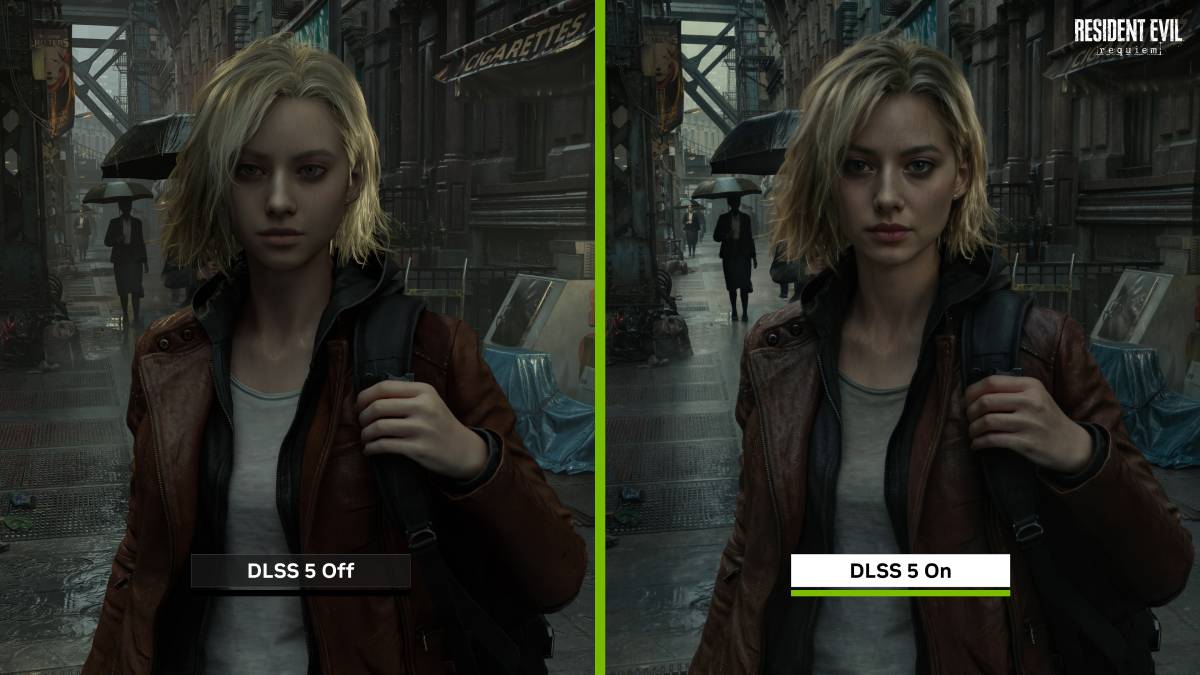
NVIDIA’s DLSS 5 (Deep Learning Super Sampling) introduces enhanced AI-driven frame generation and upscaling capabilities, enabling higher resolution graphics with improved efficiency.

March 30, 2026
|
Image Credit: nvidianews.nvidia.com

A major development unfolded today as NVIDIA introduced DLSS 5, its latest AI-powered graphics technology aimed at dramatically improving visual fidelity and performance in gaming. The advancement signals a strategic leap in real-time rendering, impacting game developers, hardware manufacturers, and the broader digital entertainment ecosystem.

NVIDIA’s DLSS 5 (Deep Learning Super Sampling) introduces enhanced AI-driven frame generation and upscaling capabilities, enabling higher resolution graphics with improved efficiency. The technology leverages advanced neural networks running on NVIDIA GPUs to deliver smoother gameplay and reduced latency.

DLSS 5 is expected to roll out across next-generation titles and compatible hardware platforms over the coming months. Key stakeholders include game developers, cloud gaming providers, hardware partners, and consumers seeking high-performance experiences. The innovation strengthens NVIDIA’s competitive edge in AI-driven graphics while reinforcing its ecosystem across gaming, data centers, and edge computing.

The gaming industry has increasingly adopted AI technologies to enhance rendering efficiency and visual quality. Traditional graphics improvements relied heavily on raw hardware power, but AI-based techniques like DLSS have shifted the paradigm toward intelligent rendering.

NVIDIA has been a leader in this space, with earlier versions of DLSS widely adopted in AAA gaming titles. The introduction of DLSS 5 reflects broader industry trends where AI is integrated into real-time applications, including gaming, simulation, and virtual production.

Geopolitically, the race for AI and semiconductor leadership has intensified, with companies competing to deliver high-performance chips and software ecosystems. For executives and investors, advancements in gaming AI are not just about entertainment they signal broader capabilities in AI processing that can extend to enterprise applications such as simulation, training, and digital twins.

Industry analysts describe DLSS 5 as a significant step forward in AI-assisted rendering, highlighting its potential to reduce hardware constraints while enhancing visual output. Game developers emphasize that such technologies allow for more complex environments and richer experiences without compromising performance.

NVIDIA executives underscore the role of AI in redefining graphics pipelines, positioning DLSS as a cornerstone of next-generation gaming. Market observers note that competitors like AMD and Intel may accelerate their own AI-driven graphics innovations in response. Experts also highlight the broader implications of AI-enhanced rendering in fields beyond gaming, including film production, architecture, and engineering simulations. The announcement reinforces NVIDIA’s leadership in combining AI with high-performance computing.

For businesses, DLSS 5 represents an opportunity to deliver premium gaming and simulation experiences while optimizing hardware costs. Game studios may reduce development constraints, enabling faster production cycles and more immersive content. Investors could view NVIDIA’s continued innovation as a driver of growth in both gaming and AI infrastructure markets.

From a policy perspective, advancements in AI-driven graphics may influence discussions around digital content standards, intellectual property, and data processing. The technology also underscores the strategic importance of semiconductor innovation in global competitiveness, particularly as AI workloads expand across industries.

Decision-makers should monitor adoption rates of DLSS 5 across gaming titles and hardware platforms, as well as competitive responses from industry rivals. Future developments may include broader applications of AI rendering in enterprise and industrial use cases. While uncertainties remain around hardware compatibility and developer adoption, DLSS 5 positions AI as a central pillar in the evolution of graphics technology and digital experiences.

Source: NVIDIA Newsroom
Date: March 15, 2026

  • Featured tools
Murf Ai
Free

Murf AI Review – Advanced AI Voice Generator for Realistic Voiceovers

#
Text to Speech
Learn more
Hostinger Website Builder
Paid

Hostinger Website Builder is a drag-and-drop website creator bundled with hosting and AI-powered tools, designed for businesses, blogs and small shops with minimal technical effort.It makes launching a site fast and affordable, with templates, responsive design and built-in hosting all in one.

#
Productivity
#
Startup Tools
#
Ecommerce
Learn more

Learn more about future of AI

Join 80,000+ Ai enthusiast getting weekly updates on exciting AI tools.
Thank you! Your submission has been received!
Oops! Something went wrong while submitting the form.

NVIDIA Unveils DLSS 5 Boosting AI Graphics

March 30, 2026

NVIDIA’s DLSS 5 (Deep Learning Super Sampling) introduces enhanced AI-driven frame generation and upscaling capabilities, enabling higher resolution graphics with improved efficiency.

Image Credit: nvidianews.nvidia.com

A major development unfolded today as NVIDIA introduced DLSS 5, its latest AI-powered graphics technology aimed at dramatically improving visual fidelity and performance in gaming. The advancement signals a strategic leap in real-time rendering, impacting game developers, hardware manufacturers, and the broader digital entertainment ecosystem.

NVIDIA’s DLSS 5 (Deep Learning Super Sampling) introduces enhanced AI-driven frame generation and upscaling capabilities, enabling higher resolution graphics with improved efficiency. The technology leverages advanced neural networks running on NVIDIA GPUs to deliver smoother gameplay and reduced latency.

DLSS 5 is expected to roll out across next-generation titles and compatible hardware platforms over the coming months. Key stakeholders include game developers, cloud gaming providers, hardware partners, and consumers seeking high-performance experiences. The innovation strengthens NVIDIA’s competitive edge in AI-driven graphics while reinforcing its ecosystem across gaming, data centers, and edge computing.

The gaming industry has increasingly adopted AI technologies to enhance rendering efficiency and visual quality. Traditional graphics improvements relied heavily on raw hardware power, but AI-based techniques like DLSS have shifted the paradigm toward intelligent rendering.

NVIDIA has been a leader in this space, with earlier versions of DLSS widely adopted in AAA gaming titles. The introduction of DLSS 5 reflects broader industry trends where AI is integrated into real-time applications, including gaming, simulation, and virtual production.

Geopolitically, the race for AI and semiconductor leadership has intensified, with companies competing to deliver high-performance chips and software ecosystems. For executives and investors, advancements in gaming AI are not just about entertainment they signal broader capabilities in AI processing that can extend to enterprise applications such as simulation, training, and digital twins.

Industry analysts describe DLSS 5 as a significant step forward in AI-assisted rendering, highlighting its potential to reduce hardware constraints while enhancing visual output. Game developers emphasize that such technologies allow for more complex environments and richer experiences without compromising performance.

NVIDIA executives underscore the role of AI in redefining graphics pipelines, positioning DLSS as a cornerstone of next-generation gaming. Market observers note that competitors like AMD and Intel may accelerate their own AI-driven graphics innovations in response. Experts also highlight the broader implications of AI-enhanced rendering in fields beyond gaming, including film production, architecture, and engineering simulations. The announcement reinforces NVIDIA’s leadership in combining AI with high-performance computing.

For businesses, DLSS 5 represents an opportunity to deliver premium gaming and simulation experiences while optimizing hardware costs. Game studios may reduce development constraints, enabling faster production cycles and more immersive content. Investors could view NVIDIA’s continued innovation as a driver of growth in both gaming and AI infrastructure markets.

From a policy perspective, advancements in AI-driven graphics may influence discussions around digital content standards, intellectual property, and data processing. The technology also underscores the strategic importance of semiconductor innovation in global competitiveness, particularly as AI workloads expand across industries.

Decision-makers should monitor adoption rates of DLSS 5 across gaming titles and hardware platforms, as well as competitive responses from industry rivals. Future developments may include broader applications of AI rendering in enterprise and industrial use cases. While uncertainties remain around hardware compatibility and developer adoption, DLSS 5 positions AI as a central pillar in the evolution of graphics technology and digital experiences.

Source: NVIDIA Newsroom
Date: March 15, 2026

Promote Your Tool

Copy Embed Code

Similar Blogs

June 26, 2026
|

AlpineAI Raises Seed Round

AlpineAI has successfully closed a double-digit million seed funding round aimed at accelerating the development of sovereign AI technologies.
Read more
June 26, 2026
|

BLP Digital Raises $50M Funding Round

BLP Digital has secured $50 million in strategic funding from Goldman Sachs to accelerate the expansion of its AI-driven enterprise solutions.
Read more
June 26, 2026
|

Giotto AI RUAG Secure AI

Giotto.ai and RUAG have entered into a cooperation agreement focused on the distribution and deployment of state-of-the-art AI solutions across defense and industrial domains.
Read more
June 26, 2026
|

Fruitful AI Secures Funding Round

Fruitful AI has successfully completed a strategic investment round, strengthening its financial position to scale operations and enhance its AI-driven product suite.
Read more
June 26, 2026
|

Visium Raises AI Funding Round

Visium has successfully raised fresh funding aimed at scaling its operations across key European markets and expanding deeper into the US enterprise AI ecosystem.
Read more
June 26, 2026
|

Nuclidium Raises CHF 105M Series B

Nuclidium has successfully expanded its Series B funding round to CHF 105 million through a latest extension, attracting continued backing from existing and new investors.
Read more