
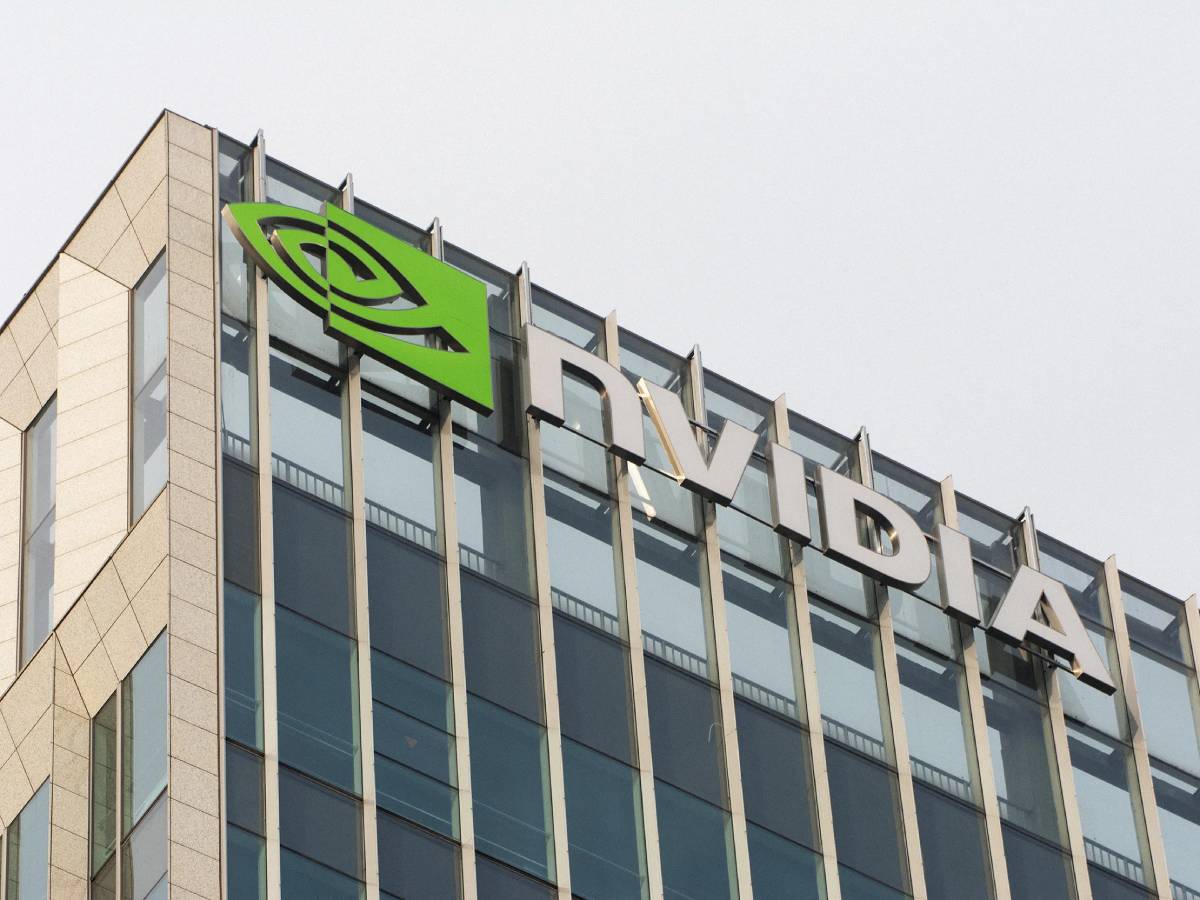
Nvidia Unveils Plan for Open-Source AI Agent Platform

Nvidia is reportedly preparing to release an open-source platform designed to help developers build and deploy AI agents capable of performing complex digital tasks.

March 30, 2026
|

A major development in the global artificial intelligence race emerged as Nvidia revealed plans to launch an open-source platform for building AI agents. The initiative could significantly expand the company’s influence across the AI ecosystem, enabling developers and enterprises worldwide to build autonomous software systems powered by Nvidia’s computing infrastructure.

Nvidia is reportedly preparing to release an open-source platform designed to help developers build and deploy AI agents capable of performing complex digital tasks. The platform aims to integrate with Nvidia’s AI hardware and software stack, including its industry-leading GPUs and AI frameworks.

By open-sourcing the platform, Nvidia intends to accelerate developer adoption and encourage innovation across enterprise automation, robotics, and digital services. The move reflects the growing importance of AI agents software systems that can plan, reason, and execute multi-step workflows with minimal human oversight. Industry observers note that the initiative could strengthen Nvidia’s position as a foundational provider of infrastructure powering the next generation of AI applications.

The announcement comes as competition intensifies in the rapidly evolving AI infrastructure market. Companies around the world are racing to develop platforms that enable autonomous AI agents capable of interacting with digital environments, performing research, automating workflows, and executing business processes.

Nvidia has become one of the most influential players in the AI economy, largely due to the global demand for its GPUs that power machine learning and generative AI models.

Major technology companies such as Microsoft, OpenAI, and Google are also investing heavily in agent-based AI systems, which many analysts believe represent the next phase of artificial intelligence development.

The push toward open-source AI tools has also accelerated in recent years as companies attempt to attract developer communities and expand ecosystem adoption. By making core agent technology widely accessible, firms aim to stimulate innovation while establishing their platforms as industry standards.

Technology analysts say Nvidia’s open-source approach could significantly reshape the AI developer landscape. “Open platforms often become industry standards because they encourage rapid experimentation and ecosystem growth,” said a market strategist specializing in AI infrastructure.

Executives at Nvidia have consistently emphasized the importance of developer communities in driving adoption of AI technologies. An open AI agent platform could enable startups, enterprises, and research institutions to build new applications more quickly.

Industry leaders also note that the emergence of autonomous AI agents is shifting how organizations approach digital transformation. Instead of simply using AI to assist workers, companies are increasingly exploring systems capable of independently managing workflows. As a result, platforms that simplify AI agent development could become highly strategic assets in the global technology race.

For businesses, Nvidia’s move signals the growing maturity of the AI agent ecosystem. Enterprises may soon gain easier access to platforms that allow autonomous software to manage tasks such as research, customer service, data analysis, and operations management. Investors are also paying close attention, as AI infrastructure providers continue to capture significant market value from the generative AI boom.

From a policy perspective, the expansion of open AI agent frameworks raises questions about governance, accountability, and responsible deployment. Regulators worldwide are already evaluating how autonomous AI systems should be monitored, particularly as they gain greater decision-making capabilities within enterprise and public sector environments.

Looking ahead, the success of Nvidia’s open-source AI agent platform will depend on developer adoption and integration across enterprise ecosystems. Executives and investors will watch closely to see whether the platform attracts a large developer community and stimulates a new wave of AI-driven applications.

If widely adopted, the initiative could reinforce Nvidia’s position at the center of the global AI infrastructure landscape.

Source: Wired
Date: March 10, 2026

  • Featured tools
Writesonic AI
Free

Writesonic AI is a versatile AI writing platform designed for marketers, entrepreneurs, and content creators. It helps users create blog posts, ad copies, product descriptions, social media posts, and more with ease. With advanced AI models and user-friendly tools, Writesonic streamlines content production and saves time for busy professionals.

#
Copywriting
Learn more
Kreateable AI
Free

Kreateable AI is a white-label, AI-driven design platform that enables logo generation, social media posts, ads, and more for businesses, agencies, and service providers.

#
Logo Generator
Learn more

Learn more about future of AI

Join 80,000+ Ai enthusiast getting weekly updates on exciting AI tools.
Thank you! Your submission has been received!
Oops! Something went wrong while submitting the form.

Nvidia Unveils Plan for Open-Source AI Agent Platform

March 30, 2026

Nvidia is reportedly preparing to release an open-source platform designed to help developers build and deploy AI agents capable of performing complex digital tasks.

A major development in the global artificial intelligence race emerged as Nvidia revealed plans to launch an open-source platform for building AI agents. The initiative could significantly expand the company’s influence across the AI ecosystem, enabling developers and enterprises worldwide to build autonomous software systems powered by Nvidia’s computing infrastructure.

Nvidia is reportedly preparing to release an open-source platform designed to help developers build and deploy AI agents capable of performing complex digital tasks. The platform aims to integrate with Nvidia’s AI hardware and software stack, including its industry-leading GPUs and AI frameworks.

By open-sourcing the platform, Nvidia intends to accelerate developer adoption and encourage innovation across enterprise automation, robotics, and digital services. The move reflects the growing importance of AI agents software systems that can plan, reason, and execute multi-step workflows with minimal human oversight. Industry observers note that the initiative could strengthen Nvidia’s position as a foundational provider of infrastructure powering the next generation of AI applications.

The announcement comes as competition intensifies in the rapidly evolving AI infrastructure market. Companies around the world are racing to develop platforms that enable autonomous AI agents capable of interacting with digital environments, performing research, automating workflows, and executing business processes.

Nvidia has become one of the most influential players in the AI economy, largely due to the global demand for its GPUs that power machine learning and generative AI models.

Major technology companies such as Microsoft, OpenAI, and Google are also investing heavily in agent-based AI systems, which many analysts believe represent the next phase of artificial intelligence development.

The push toward open-source AI tools has also accelerated in recent years as companies attempt to attract developer communities and expand ecosystem adoption. By making core agent technology widely accessible, firms aim to stimulate innovation while establishing their platforms as industry standards.

Technology analysts say Nvidia’s open-source approach could significantly reshape the AI developer landscape. “Open platforms often become industry standards because they encourage rapid experimentation and ecosystem growth,” said a market strategist specializing in AI infrastructure.

Executives at Nvidia have consistently emphasized the importance of developer communities in driving adoption of AI technologies. An open AI agent platform could enable startups, enterprises, and research institutions to build new applications more quickly.

Industry leaders also note that the emergence of autonomous AI agents is shifting how organizations approach digital transformation. Instead of simply using AI to assist workers, companies are increasingly exploring systems capable of independently managing workflows. As a result, platforms that simplify AI agent development could become highly strategic assets in the global technology race.

For businesses, Nvidia’s move signals the growing maturity of the AI agent ecosystem. Enterprises may soon gain easier access to platforms that allow autonomous software to manage tasks such as research, customer service, data analysis, and operations management. Investors are also paying close attention, as AI infrastructure providers continue to capture significant market value from the generative AI boom.

From a policy perspective, the expansion of open AI agent frameworks raises questions about governance, accountability, and responsible deployment. Regulators worldwide are already evaluating how autonomous AI systems should be monitored, particularly as they gain greater decision-making capabilities within enterprise and public sector environments.

Looking ahead, the success of Nvidia’s open-source AI agent platform will depend on developer adoption and integration across enterprise ecosystems. Executives and investors will watch closely to see whether the platform attracts a large developer community and stimulates a new wave of AI-driven applications.

If widely adopted, the initiative could reinforce Nvidia’s position at the center of the global AI infrastructure landscape.

Source: Wired
Date: March 10, 2026

Promote Your Tool

Copy Embed Code

Similar Blogs

April 27, 2026
|

Global AI Race Intensifies With New Model Releases

Multiple frontier AI companies are accelerating the release of next-generation models aimed at improving reasoning, multimodal capabilities, and enterprise integration.
Read more
April 27, 2026
|

Budget Tablet Competition Intensifies as TCL Hits $150 Price Point

A TCL tablet is currently available on Amazon for as low as $150 as part of a limited-time promotional discount. The deal positions the device within the highly competitive entry-level tablet category, targeting students, casual users, and cost-conscious consumers.
Read more
April 27, 2026
|

Apple Enables Default iPhone Security in iOS 26.4.1

The iOS 26.4.1 update includes a bug fix that results in an important iPhone security feature being automatically enabled for users. This adjustment reduces the need for manual activation and ensures broader baseline protection across supported devices.
Read more
April 27, 2026
|

Microsoft Adds 35-Day Windows Update Pause Option

Microsoft has introduced an expanded update control feature allowing Windows users to pause system updates for up to 35 days, according to The Verge.
Read more
April 27, 2026
|

Linux Gains Ground as Users Rethink Windows Dependence

A user experience transition after three months of daily Linux usage, with no perceived loss in productivity or functionality compared to Windows.
Read more
April 27, 2026
|

Project Maven and the Militarization of AI Strategy

Project Maven was launched as a U.S. Department of Defense initiative to deploy AI for analyzing vast amounts of drone and surveillance imagery.
Read more