



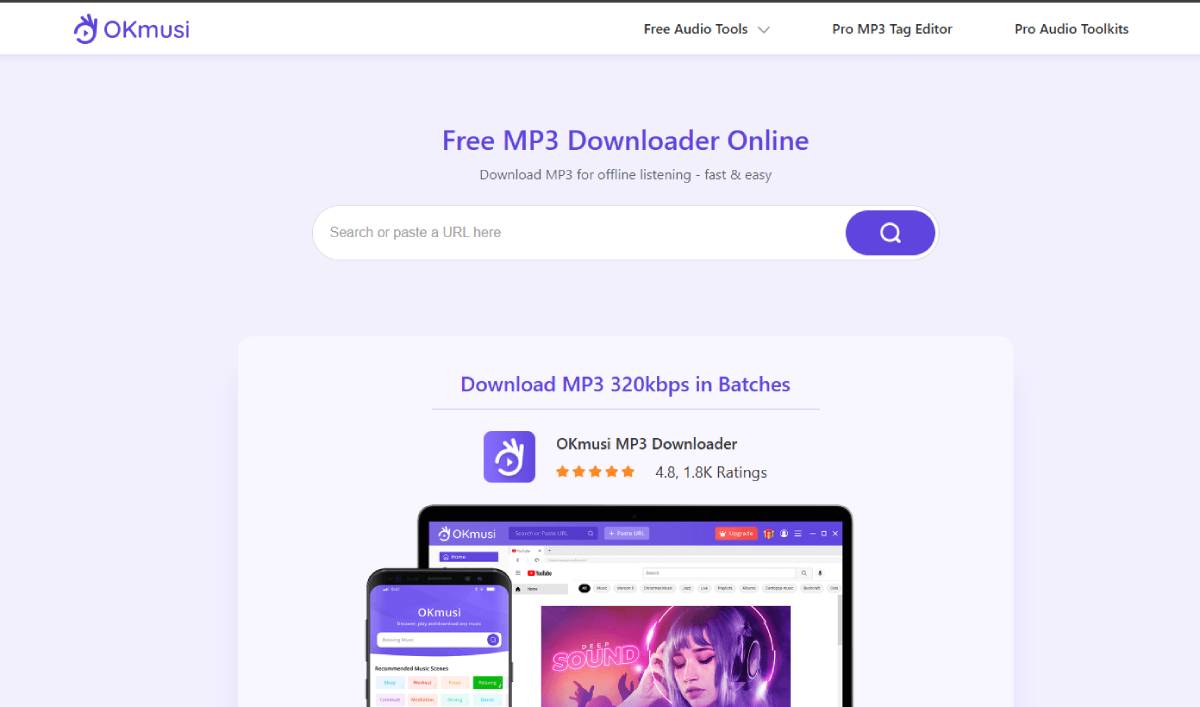
The rapid expansion of digital audio consumption is fueling demand for tools that simplify music discovery and offline listening. OKmusi reflects this trend by offering music download and management capabilities, underscoring evolving consumer expectations for flexible content access while highlighting the growing importance of copyright compliance and digital licensing.
OKmusi is presented as a music download and management solution designed to help users search, organize, and access audio content across supported online sources. The platform targets consumers seeking convenient offline listening and streamlined media management within a single interface.
Key stakeholders include music listeners, digital content platforms, software developers, streaming providers, artists, and copyright owners. The continued popularity of offline media tools demonstrates sustained demand for flexible digital consumption while also drawing attention to intellectual property protections, licensing agreements, and platform-specific distribution policies that shape the global digital entertainment ecosystem.
Global music consumption has shifted dramatically toward streaming platforms over the past decade, supported by subscription services, cloud-based libraries, and mobile-first listening habits. Consumers increasingly expect instant access to music across multiple devices while maintaining the ability to manage content for offline use in accordance with applicable licensing terms.
This development aligns with a broader trend across global digital media markets where convenience, personalization, and portability continue driving consumer behavior. At the same time, copyright protection, royalty distribution, and digital rights management remain central priorities for record labels, artists, streaming services, and policymakers.
As the digital music economy expands, technology providers continue balancing user experience with legal content distribution frameworks that support sustainable revenue models for creators and media companies.
Media industry analysts note that consumer demand for flexible access to digital content continues influencing software innovation across music and entertainment platforms. Tools that improve organization and accessibility remain attractive to users, particularly where they complement legitimate digital content ecosystems.
Copyright specialists emphasize that music consumption technologies should operate within applicable licensing agreements and intellectual property laws. Respect for creator rights remains fundamental to maintaining a healthy digital entertainment marketplace and ensuring continued investment in creative industries.
Technology observers expect future media platforms to integrate more artificial intelligence, personalized recommendations, cloud synchronization, and offline playback capabilities while strengthening digital rights management and security measures to protect licensed content across global distribution networks.
For businesses, demand for flexible digital media experiences creates opportunities for innovation in music services, cloud infrastructure, and consumer software. Companies that combine convenience with strong licensing compliance are likely to strengthen long-term customer trust.
Investors continue monitoring the digital entertainment sector as subscription models, creator economies, and personalized media services expand globally. Policymakers remain focused on balancing technological innovation with copyright enforcement, consumer rights, and fair compensation for creators.
For executives, aligning digital media strategies with evolving legal and regulatory frameworks will remain essential for sustainable growth. Demand for digital music management solutions is expected to grow alongside expanding streaming ecosystems and mobile entertainment consumption. Decision-makers should monitor developments in licensing frameworks, AI-powered music discovery, digital rights management, and cross-platform interoperability. Organizations that successfully combine user convenience with legal compliance and creator protection will be best positioned to compete in the evolving global digital media landscape.
Source: AlternativeTo
Date: July 31, 2026


