
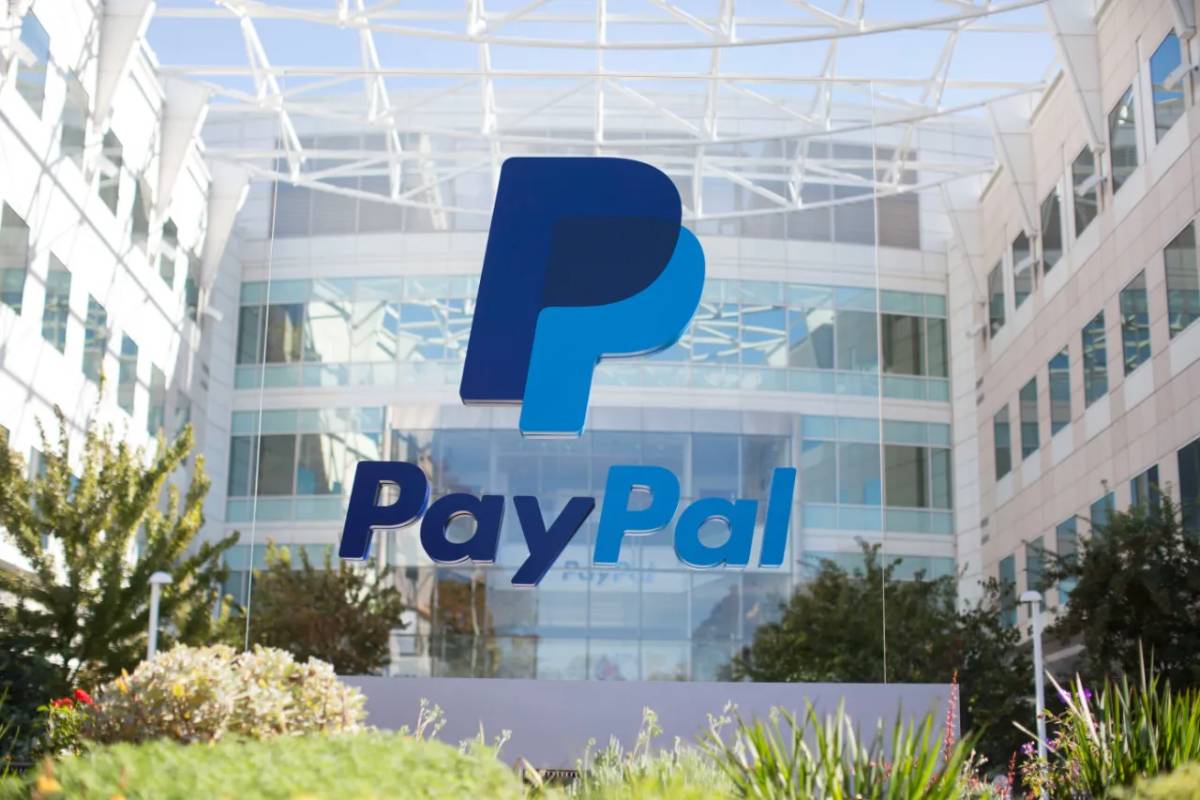
PayPal Accelerates AI Driven Fintech Transformation

PayPal executives stated that the company is “becoming a technology company again,” with AI playing a central role in product innovation, customer engagement, and operational efficiency.

May 7, 2026
|

A significant strategic shift is underway at PayPal as the fintech giant positions itself once again as a technology-first company centered on artificial intelligence. The move signals intensifying competition in digital payments and highlights how AI is becoming a core operational and growth driver across the global financial services industry.

PayPal executives stated that the company is “becoming a technology company again,” with AI playing a central role in product innovation, customer engagement, and operational efficiency.

The strategy reflects PayPal’s broader effort to strengthen competitiveness amid rising pressure from fintech startups, digital wallets, and integrated commerce ecosystems. The company is increasingly investing in AI-powered personalization, fraud detection, transaction optimization, and merchant tools designed to improve user experiences across its payments network.

Executives believe AI can help accelerate growth while modernizing PayPal’s platform architecture and improving profitability. The shift also comes as global financial firms race to embed generative AI capabilities into core digital infrastructure.

The development aligns with a broader transformation reshaping the global financial services industry, where artificial intelligence is becoming central to digital commerce, banking, fraud prevention, and customer interaction strategies.

Over the past decade, PayPal evolved from an early online payments innovator into a mature financial technology platform operating in an increasingly crowded competitive environment. Rivals including digital banks, buy-now-pay-later providers, cryptocurrency platforms, and embedded finance startups have intensified pressure on established fintech firms to differentiate through technology innovation.

The emergence of generative AI has created new opportunities for financial companies to automate customer support, personalize recommendations, streamline merchant operations, and strengthen cybersecurity systems. Large-scale AI adoption is also helping companies process enormous transaction volumes more efficiently while identifying fraud patterns in real time.

Globally, financial institutions are investing heavily in AI infrastructure to remain competitive in rapidly digitizing economies. Governments and regulators, meanwhile, are closely monitoring how AI systems influence financial transparency, consumer protection, and systemic risk management.

Historically, technology leadership cycles in finance have rewarded firms capable of reinventing themselves during periods of platform disruption. Analysts believe PayPal’s renewed AI focus reflects an effort to reposition itself for the next generation of digital commerce and financial infrastructure evolution.

Industry analysts say PayPal’s strategy reflects a wider shift where fintech firms are increasingly defining themselves as AI companies rather than merely payment processors. Experts argue that AI-powered personalization and automation are becoming essential competitive advantages in digital finance markets where customer retention costs are rising.

Financial technology specialists note that AI can significantly improve fraud detection accuracy, operational scalability, and merchant analytics while reducing manual support expenses. Analysts also believe AI-driven commerce tools could strengthen PayPal’s relationships with small and medium-sized businesses seeking integrated payment and marketing solutions.

At the same time, market observers caution that large-scale AI deployment in finance introduces regulatory and reputational risks involving data privacy, algorithmic bias, and cybersecurity resilience. Financial regulators globally are expected to intensify oversight of how AI systems influence lending, payments, and customer profiling.

PayPal executives have emphasized that AI is intended to improve customer experiences and operational efficiency rather than replace human decision-making entirely. Analysts suggest the company’s success will depend on whether it can translate AI investment into sustainable revenue growth while maintaining consumer trust and regulatory compliance.

For businesses, PayPal’s AI pivot underscores the accelerating convergence of fintech and artificial intelligence. Companies operating in payments, banking, and e-commerce may face increasing pressure to modernize infrastructure and integrate AI-driven customer engagement systems.

Investors are likely to monitor whether AI-focused strategies can improve profitability and competitive positioning in a maturing fintech landscape. Firms capable of demonstrating scalable AI monetization may attract stronger capital inflows despite broader market volatility.

For policymakers and regulators, the expansion of AI in financial services raises important questions around transparency, consumer rights, fraud accountability, and algorithmic governance. Governments may introduce stricter oversight frameworks governing how financial institutions deploy AI-powered decision-making systems.

Consumers, meanwhile, could benefit from faster transactions, more personalized services, and improved fraud protection—provided companies maintain strong safeguards around privacy and data security.

Attention will now shift toward how effectively PayPal integrates AI across its payments ecosystem and whether the strategy can restore stronger growth momentum amid intensifying fintech competition. Investors will closely watch future earnings, merchant adoption rates, and AI-driven product rollouts.

For global executives, the broader signal is increasingly clear: in the evolving digital economy, financial technology firms may need to operate as AI companies first and payments providers second.

Source: TechCrunch
Date: May 7, 2026

  • Featured tools
Murf Ai
Free

Murf AI Review – Advanced AI Voice Generator for Realistic Voiceovers

#
Text to Speech
Learn more
Kreateable AI
Free

Kreateable AI is a white-label, AI-driven design platform that enables logo generation, social media posts, ads, and more for businesses, agencies, and service providers.

#
Logo Generator
Learn more

Learn more about future of AI

Join 80,000+ Ai enthusiast getting weekly updates on exciting AI tools.
Thank you! Your submission has been received!
Oops! Something went wrong while submitting the form.

PayPal Accelerates AI Driven Fintech Transformation

May 7, 2026

PayPal executives stated that the company is “becoming a technology company again,” with AI playing a central role in product innovation, customer engagement, and operational efficiency.

A significant strategic shift is underway at PayPal as the fintech giant positions itself once again as a technology-first company centered on artificial intelligence. The move signals intensifying competition in digital payments and highlights how AI is becoming a core operational and growth driver across the global financial services industry.

PayPal executives stated that the company is “becoming a technology company again,” with AI playing a central role in product innovation, customer engagement, and operational efficiency.

The strategy reflects PayPal’s broader effort to strengthen competitiveness amid rising pressure from fintech startups, digital wallets, and integrated commerce ecosystems. The company is increasingly investing in AI-powered personalization, fraud detection, transaction optimization, and merchant tools designed to improve user experiences across its payments network.

Executives believe AI can help accelerate growth while modernizing PayPal’s platform architecture and improving profitability. The shift also comes as global financial firms race to embed generative AI capabilities into core digital infrastructure.

The development aligns with a broader transformation reshaping the global financial services industry, where artificial intelligence is becoming central to digital commerce, banking, fraud prevention, and customer interaction strategies.

Over the past decade, PayPal evolved from an early online payments innovator into a mature financial technology platform operating in an increasingly crowded competitive environment. Rivals including digital banks, buy-now-pay-later providers, cryptocurrency platforms, and embedded finance startups have intensified pressure on established fintech firms to differentiate through technology innovation.

The emergence of generative AI has created new opportunities for financial companies to automate customer support, personalize recommendations, streamline merchant operations, and strengthen cybersecurity systems. Large-scale AI adoption is also helping companies process enormous transaction volumes more efficiently while identifying fraud patterns in real time.

Globally, financial institutions are investing heavily in AI infrastructure to remain competitive in rapidly digitizing economies. Governments and regulators, meanwhile, are closely monitoring how AI systems influence financial transparency, consumer protection, and systemic risk management.

Historically, technology leadership cycles in finance have rewarded firms capable of reinventing themselves during periods of platform disruption. Analysts believe PayPal’s renewed AI focus reflects an effort to reposition itself for the next generation of digital commerce and financial infrastructure evolution.

Industry analysts say PayPal’s strategy reflects a wider shift where fintech firms are increasingly defining themselves as AI companies rather than merely payment processors. Experts argue that AI-powered personalization and automation are becoming essential competitive advantages in digital finance markets where customer retention costs are rising.

Financial technology specialists note that AI can significantly improve fraud detection accuracy, operational scalability, and merchant analytics while reducing manual support expenses. Analysts also believe AI-driven commerce tools could strengthen PayPal’s relationships with small and medium-sized businesses seeking integrated payment and marketing solutions.

At the same time, market observers caution that large-scale AI deployment in finance introduces regulatory and reputational risks involving data privacy, algorithmic bias, and cybersecurity resilience. Financial regulators globally are expected to intensify oversight of how AI systems influence lending, payments, and customer profiling.

PayPal executives have emphasized that AI is intended to improve customer experiences and operational efficiency rather than replace human decision-making entirely. Analysts suggest the company’s success will depend on whether it can translate AI investment into sustainable revenue growth while maintaining consumer trust and regulatory compliance.

For businesses, PayPal’s AI pivot underscores the accelerating convergence of fintech and artificial intelligence. Companies operating in payments, banking, and e-commerce may face increasing pressure to modernize infrastructure and integrate AI-driven customer engagement systems.

Investors are likely to monitor whether AI-focused strategies can improve profitability and competitive positioning in a maturing fintech landscape. Firms capable of demonstrating scalable AI monetization may attract stronger capital inflows despite broader market volatility.

For policymakers and regulators, the expansion of AI in financial services raises important questions around transparency, consumer rights, fraud accountability, and algorithmic governance. Governments may introduce stricter oversight frameworks governing how financial institutions deploy AI-powered decision-making systems.

Consumers, meanwhile, could benefit from faster transactions, more personalized services, and improved fraud protection—provided companies maintain strong safeguards around privacy and data security.

Attention will now shift toward how effectively PayPal integrates AI across its payments ecosystem and whether the strategy can restore stronger growth momentum amid intensifying fintech competition. Investors will closely watch future earnings, merchant adoption rates, and AI-driven product rollouts.

For global executives, the broader signal is increasingly clear: in the evolving digital economy, financial technology firms may need to operate as AI companies first and payments providers second.

Source: TechCrunch
Date: May 7, 2026

Promote Your Tool

Copy Embed Code

Similar Blogs

May 7, 2026
|

3D Printing Enters Mainstream Market Growth

Multiple 3D printing systems has identified a new generation of devices offering improved reliability, usability, and material flexibility across different user segments.
Read more
May 7, 2026
|

OpenAI Leadership Faces Trust Crisis Court

OpenAI Chief Technology Officer Mira Murati expressed doubts about the reliability of statements made by CEO Sam Altman during internal and external communications.
Read more
May 7, 2026
|

Google Ends Project Mariner AI Shift

The restructuring highlights a growing emphasis on efficiency, product readiness, and alignment with enterprise-scale deployment strategies.
Read more
May 7, 2026
|

DeepMind Advances AI Through Virtual Worlds

Google DeepMind plans to use the highly complex multiplayer universe of EVE Online as a training environment for advanced AI models.
Read more
May 7, 2026
|

AI Robot Pets Expand Home Market

Inventor behind early robotic home automation systems is now focusing on creating AI-driven robotic pets intended for everyday consumer use.
Read more
May 7, 2026
|

Digital Paper Tablets Redefine Productivity Tech

A new generation of paper-like digital tablets, including a device from reMarkable, which is being recognized for its writing, sketching, and productivity-focused experience.
Read more