
RAM Crunch Threatens Apple Mac Production Pipeline

The global RAM shortage is increasingly affecting major technology manufacturers, with Apple’s Mac product line identified as potentially vulnerable. Rising demand for memory chips, driven by artificial intelligence infrastructure.

April 20, 2026
|
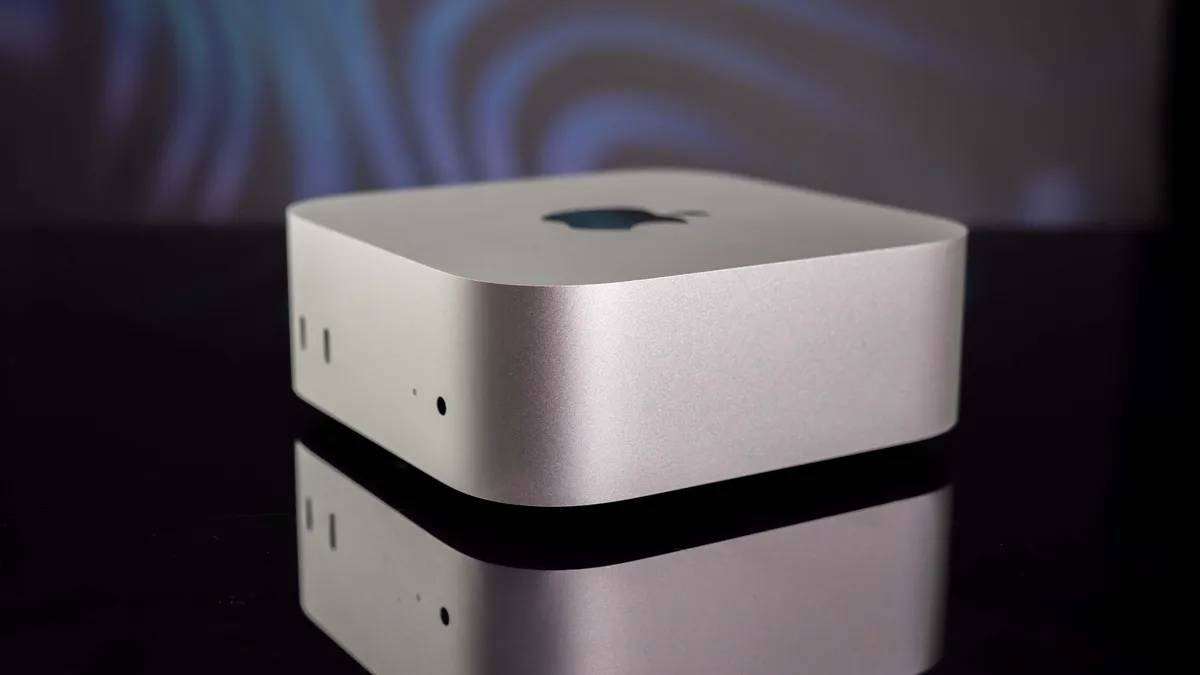
Image Source: CNET

A tightening global memory market is emerging as a critical supply chain risk for the technology sector, with potential disruptions to Apple’s Mac production. The escalating RAM shortage signals structural stress across semiconductor supply chains, raising concerns for manufacturers, enterprise buyers, and global PC markets dependent on high-performance computing hardware.

The global RAM shortage is increasingly affecting major technology manufacturers, with Apple’s Mac product line identified as potentially vulnerable. Rising demand for memory chips, driven by artificial intelligence infrastructure and data center expansion, is constraining supply availability across the PC ecosystem.

Apple, alongside other OEMs, relies heavily on stable DRAM supply for its Mac devices. The tightening market has created pricing pressure and allocation challenges among semiconductor suppliers. Industry stakeholders include memory chip producers, cloud computing firms, and PC manufacturers competing for limited high-bandwidth memory resources. The situation is expected to intensify as AI workloads continue to accelerate global memory consumption.

The RAM shortage is unfolding within a broader semiconductor cycle increasingly shaped by artificial intelligence demand. Unlike previous supply constraints driven by consumer electronics cycles, the current disruption is being fueled by hyperscale data centers and AI model training infrastructure requiring significantly higher memory bandwidth.

The development aligns with a broader trend across global markets where AI-driven compute demand is reshaping semiconductor allocation priorities. Historically, memory markets have been cyclical, with periods of oversupply followed by sharp corrections. However, the current cycle is structurally different due to sustained AI investment and long-term infrastructure buildouts.

Apple’s Mac lineup, which depends on high-performance unified memory architecture, is particularly exposed to fluctuations in DRAM availability. As competition for advanced memory intensifies, PC manufacturers may face delayed production cycles and rising input costs across premium device segments.

Industry analysts suggest that the RAM supply imbalance is not a short-term disruption but a multi-year structural shift driven by AI compute expansion. Experts note that companies like Apple are increasingly competing with cloud providers and AI platform operators for the same memory resources.

Analysts highlight that the prioritization of AI infrastructure is reshaping semiconductor supply allocation, with high-bandwidth memory increasingly diverted toward data center applications. This creates downstream pressure on consumer electronics manufacturers.

Market observers also warn that pricing volatility in DRAM markets could force OEMs to adjust product pricing or delay launches. While Apple is generally considered resilient due to its supply chain leverage, analysts caution that even large-scale buyers are not immune to prolonged supply constraints in strategically critical components.

For businesses, the RAM shortage introduces cost pressure and potential production bottlenecks across the PC and laptop ecosystem, including Apple’s Mac portfolio. Enterprises relying on device refresh cycles may face procurement delays or higher pricing for premium hardware.

Investors are likely to reassess semiconductor and PC manufacturers based on exposure to memory supply constraints and AI-driven demand competition. The imbalance may also reinforce pricing power for leading memory chip producers.

From a policy perspective, the concentration of semiconductor supply chains and AI-driven resource allocation raises strategic concerns for governments focused on technology sovereignty and supply chain resilience. Incentives for domestic memory production may gain renewed attention.

Looking ahead, the RAM shortage is expected to persist as AI infrastructure continues to expand globally. The performance of Apple’s Mac supply chain will depend on long-term memory contract stability and supplier diversification. Decision-makers should monitor DRAM pricing trends, AI data center expansion rates, and semiconductor capacity investments. The key uncertainty remains whether new fabrication capacity can scale quickly enough to balance AI-driven demand.

Source: CNET
Date: April 2026

  • Featured tools
Neuron AI
Free

Neuron AI is an AI-driven content optimization platform that helps creators produce SEO-friendly content by combining semantic SEO, competitor analysis, and AI-assisted writing workflows.

#
SEO
Learn more
Copy Ai
Free

Copy AI is one of the most popular AI writing tools designed to help professionals create high-quality content quickly. Whether you are a product manager drafting feature descriptions or a marketer creating ad copy, Copy AI can save hours of work while maintaining creativity and tone.

#
Copywriting
Learn more

Learn more about future of AI

Join 80,000+ Ai enthusiast getting weekly updates on exciting AI tools.
Thank you! Your submission has been received!
Oops! Something went wrong while submitting the form.

RAM Crunch Threatens Apple Mac Production Pipeline

April 20, 2026

The global RAM shortage is increasingly affecting major technology manufacturers, with Apple’s Mac product line identified as potentially vulnerable. Rising demand for memory chips, driven by artificial intelligence infrastructure.

Image Source: CNET

A tightening global memory market is emerging as a critical supply chain risk for the technology sector, with potential disruptions to Apple’s Mac production. The escalating RAM shortage signals structural stress across semiconductor supply chains, raising concerns for manufacturers, enterprise buyers, and global PC markets dependent on high-performance computing hardware.

The global RAM shortage is increasingly affecting major technology manufacturers, with Apple’s Mac product line identified as potentially vulnerable. Rising demand for memory chips, driven by artificial intelligence infrastructure and data center expansion, is constraining supply availability across the PC ecosystem.

Apple, alongside other OEMs, relies heavily on stable DRAM supply for its Mac devices. The tightening market has created pricing pressure and allocation challenges among semiconductor suppliers. Industry stakeholders include memory chip producers, cloud computing firms, and PC manufacturers competing for limited high-bandwidth memory resources. The situation is expected to intensify as AI workloads continue to accelerate global memory consumption.

The RAM shortage is unfolding within a broader semiconductor cycle increasingly shaped by artificial intelligence demand. Unlike previous supply constraints driven by consumer electronics cycles, the current disruption is being fueled by hyperscale data centers and AI model training infrastructure requiring significantly higher memory bandwidth.

The development aligns with a broader trend across global markets where AI-driven compute demand is reshaping semiconductor allocation priorities. Historically, memory markets have been cyclical, with periods of oversupply followed by sharp corrections. However, the current cycle is structurally different due to sustained AI investment and long-term infrastructure buildouts.

Apple’s Mac lineup, which depends on high-performance unified memory architecture, is particularly exposed to fluctuations in DRAM availability. As competition for advanced memory intensifies, PC manufacturers may face delayed production cycles and rising input costs across premium device segments.

Industry analysts suggest that the RAM supply imbalance is not a short-term disruption but a multi-year structural shift driven by AI compute expansion. Experts note that companies like Apple are increasingly competing with cloud providers and AI platform operators for the same memory resources.

Analysts highlight that the prioritization of AI infrastructure is reshaping semiconductor supply allocation, with high-bandwidth memory increasingly diverted toward data center applications. This creates downstream pressure on consumer electronics manufacturers.

Market observers also warn that pricing volatility in DRAM markets could force OEMs to adjust product pricing or delay launches. While Apple is generally considered resilient due to its supply chain leverage, analysts caution that even large-scale buyers are not immune to prolonged supply constraints in strategically critical components.

For businesses, the RAM shortage introduces cost pressure and potential production bottlenecks across the PC and laptop ecosystem, including Apple’s Mac portfolio. Enterprises relying on device refresh cycles may face procurement delays or higher pricing for premium hardware.

Investors are likely to reassess semiconductor and PC manufacturers based on exposure to memory supply constraints and AI-driven demand competition. The imbalance may also reinforce pricing power for leading memory chip producers.

From a policy perspective, the concentration of semiconductor supply chains and AI-driven resource allocation raises strategic concerns for governments focused on technology sovereignty and supply chain resilience. Incentives for domestic memory production may gain renewed attention.

Looking ahead, the RAM shortage is expected to persist as AI infrastructure continues to expand globally. The performance of Apple’s Mac supply chain will depend on long-term memory contract stability and supplier diversification. Decision-makers should monitor DRAM pricing trends, AI data center expansion rates, and semiconductor capacity investments. The key uncertainty remains whether new fabrication capacity can scale quickly enough to balance AI-driven demand.

Source: CNET
Date: April 2026

Promote Your Tool

Copy Embed Code

Similar Blogs

April 20, 2026
|

Digital Passport Push Accelerates Gov Service Digitization

Digital passport renewal systems are expanding across multiple jurisdictions, allowing users to update travel documents without physical visits to government offices.
Read more
April 20, 2026
|

Canva Expands Into Workplace AI Productivity Tools

Canva has introduced expanded AI-driven workplace features aimed at transforming its platform from a design tool into an integrated productivity ecosystem.
Read more
April 20, 2026
|

Worldcoin Expands Orb Biometrics Into Dating Ecosystem

Worldcoin, co-founded by OpenAI CEO Sam Altman, is advancing its biometric “Orb” identity verification system as a potential authentication layer for dating platforms such as Tinder-like ecosystems.
Read more
April 20, 2026
|

Nvidia Enters Laptop AI Chips in Computing Shift

Nvidia is reportedly advancing plans to release a new laptop-grade AI chip designed to bring advanced inference and AI processing directly into portable computing systems.
Read more
April 20, 2026
|

ASUS ZenScreen Price Drop Signals Hybrid Work Demand Surge

The price reduction on the ASUS ZenScreen Portable Monitor highlights increased competition in the portable display segment. The device is designed to extend laptop functionality through lightweight.
Read more
April 20, 2026
|

AI Shift Moves Computing to PC-Native Intelligence

AI applications are increasingly being designed to run directly on PCs, leveraging local processing power rather than relying solely on cloud infrastructure.
Read more