
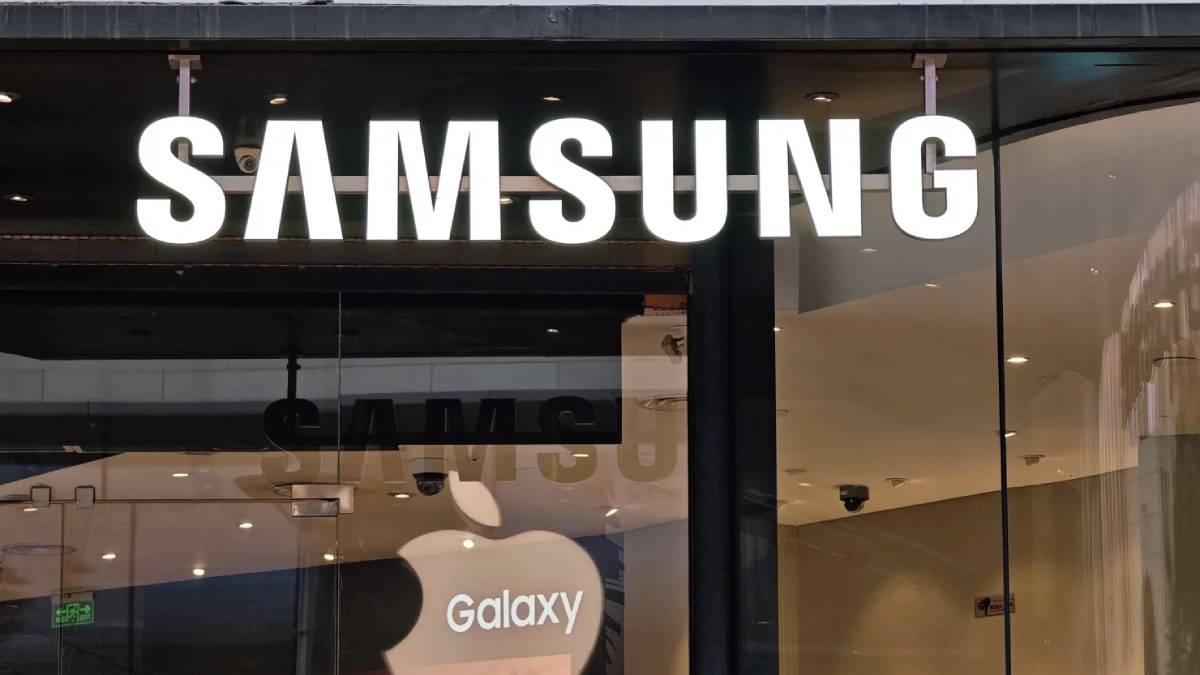
Samsung AI Memory Push Fuels Rally

Samsung has begun shipping samples of its advanced HBM4E memory chips designed to support next-generation artificial intelligence workloads and high-performance computing systems.

May 29, 2026
|

A major development unfolded in the global semiconductor industry as Samsung Electronics reportedly shipped samples of its next-generation AI memory chips, triggering a sharp rise in investor confidence and sending company shares up by as much as 6%. The move underscores intensifying competition in the high-performance AI hardware market critical to future computing infrastructure.

Samsung has begun shipping samples of its advanced HBM4E memory chips designed to support next-generation artificial intelligence workloads and high-performance computing systems.

The announcement boosted market sentiment, with Samsung shares reportedly surging amid growing investor optimism surrounding AI infrastructure demand. High-bandwidth memory, or HBM, has become a strategically important component in AI data centers and advanced graphics processing systems powering generative AI applications.

The development places Samsung in direct competition with major global semiconductor firms racing to secure leadership in AI hardware supply chains. Analysts view the move as significant for cloud computing providers, AI infrastructure developers, and global technology markets increasingly dependent on advanced memory performance.

The shipment of next-generation AI memory chips reflects the accelerating global race to dominate semiconductor technologies underpinning artificial intelligence systems. As generative AI adoption expands rapidly across industries, demand for high-performance chips capable of supporting massive computing workloads has surged worldwide.

The development aligns with broader industry trends where semiconductor companies are competing to supply increasingly advanced memory and processing solutions for AI training and inference systems. High-bandwidth memory technology has emerged as a critical component for enabling faster data transfer and more efficient AI processing in hyperscale data centers.

The competition also carries geopolitical significance. Semiconductor supply chains have become central to economic and national security strategies for the United States, South Korea, China, Taiwan, and the European Union. Governments are investing heavily in domestic chip production and advanced manufacturing capabilities amid concerns over supply chain resilience and technological sovereignty.

Historically, memory chip cycles have heavily influenced global technology markets. Analysts now argue that the AI boom could reshape the semiconductor industry’s long-term growth trajectory more profoundly than previous mobile or cloud computing waves.

Technology analysts suggest Samsung’s latest HBM4E development signals the company’s determination to strengthen its position in the rapidly expanding AI semiconductor market. Industry observers note that demand for advanced memory systems is being driven by large-scale AI model training, cloud computing expansion, and enterprise adoption of generative AI technologies.

Market strategists believe semiconductor firms capable of delivering cutting-edge AI infrastructure components may secure significant competitive advantages as AI investment accelerates globally. Analysts also emphasize that memory performance is increasingly becoming a critical differentiator for next-generation AI systems.

At the same time, experts caution that the AI chip race remains highly competitive and capital intensive. Companies across the semiconductor ecosystem are facing mounting pressure to secure manufacturing capacity, improve yields, and maintain technological leadership amid escalating geopolitical tensions and export control measures.

Industry leaders have repeatedly highlighted the importance of resilient supply chains and sustained research investment as AI infrastructure demand continues to expand at unprecedented speed.

For businesses, Samsung’s latest AI memory push could accelerate innovation across cloud computing, enterprise AI, autonomous systems, and advanced analytics markets. Technology firms dependent on high-performance AI infrastructure may benefit from increased competition and improved chip availability.

Investors are closely monitoring the semiconductor sector as AI-driven demand reshapes valuations, capital expenditure strategies, and global technology investment flows. Analysts believe companies with strong positions in AI memory and processing technologies could emerge as major beneficiaries of long-term AI expansion.

At the policy level, governments may intensify efforts to strengthen semiconductor supply chain resilience and domestic chip manufacturing capabilities. Regulatory scrutiny surrounding export controls, technology transfer restrictions, and strategic semiconductor partnerships is also expected to increase.

Businesses operating in AI-intensive sectors may face growing pressure to secure reliable chip supply agreements amid intensifying global competition for advanced semiconductor resources.

The next phase of the AI economy is likely to depend heavily on which companies can deliver scalable, high-performance semiconductor infrastructure capable of supporting increasingly complex AI systems. Decision-makers will closely monitor production timelines, customer adoption, and geopolitical developments affecting global chip supply chains.

As artificial intelligence continues driving demand for advanced computing power, next-generation memory technologies are expected to remain central to the future of global digital infrastructure and economic competitiveness.

Source: CNBC – Samsung Ships Next-Generation AI Memory Chip Samples
Date: May 29, 2026

  • Featured tools
Ai Fiesta
Paid

AI Fiesta is an all-in-one productivity platform that gives users access to multiple leading AI models through a single interface. It includes features like prompt enhancement, image generation, audio transcription and side-by-side model comparison.

#
Copywriting
#
Art Generator
Learn more
Surfer AI
Free

Surfer AI is an AI-powered content creation assistant built into the Surfer SEO platform, designed to generate SEO-optimized articles from prompts, leveraging data from search results to inform tone, structure, and relevance.

#
SEO
Learn more

Learn more about future of AI

Join 80,000+ Ai enthusiast getting weekly updates on exciting AI tools.
Thank you! Your submission has been received!
Oops! Something went wrong while submitting the form.

Samsung AI Memory Push Fuels Rally

May 29, 2026

Samsung has begun shipping samples of its advanced HBM4E memory chips designed to support next-generation artificial intelligence workloads and high-performance computing systems.

A major development unfolded in the global semiconductor industry as Samsung Electronics reportedly shipped samples of its next-generation AI memory chips, triggering a sharp rise in investor confidence and sending company shares up by as much as 6%. The move underscores intensifying competition in the high-performance AI hardware market critical to future computing infrastructure.

Samsung has begun shipping samples of its advanced HBM4E memory chips designed to support next-generation artificial intelligence workloads and high-performance computing systems.

The announcement boosted market sentiment, with Samsung shares reportedly surging amid growing investor optimism surrounding AI infrastructure demand. High-bandwidth memory, or HBM, has become a strategically important component in AI data centers and advanced graphics processing systems powering generative AI applications.

The development places Samsung in direct competition with major global semiconductor firms racing to secure leadership in AI hardware supply chains. Analysts view the move as significant for cloud computing providers, AI infrastructure developers, and global technology markets increasingly dependent on advanced memory performance.

The shipment of next-generation AI memory chips reflects the accelerating global race to dominate semiconductor technologies underpinning artificial intelligence systems. As generative AI adoption expands rapidly across industries, demand for high-performance chips capable of supporting massive computing workloads has surged worldwide.

The development aligns with broader industry trends where semiconductor companies are competing to supply increasingly advanced memory and processing solutions for AI training and inference systems. High-bandwidth memory technology has emerged as a critical component for enabling faster data transfer and more efficient AI processing in hyperscale data centers.

The competition also carries geopolitical significance. Semiconductor supply chains have become central to economic and national security strategies for the United States, South Korea, China, Taiwan, and the European Union. Governments are investing heavily in domestic chip production and advanced manufacturing capabilities amid concerns over supply chain resilience and technological sovereignty.

Historically, memory chip cycles have heavily influenced global technology markets. Analysts now argue that the AI boom could reshape the semiconductor industry’s long-term growth trajectory more profoundly than previous mobile or cloud computing waves.

Technology analysts suggest Samsung’s latest HBM4E development signals the company’s determination to strengthen its position in the rapidly expanding AI semiconductor market. Industry observers note that demand for advanced memory systems is being driven by large-scale AI model training, cloud computing expansion, and enterprise adoption of generative AI technologies.

Market strategists believe semiconductor firms capable of delivering cutting-edge AI infrastructure components may secure significant competitive advantages as AI investment accelerates globally. Analysts also emphasize that memory performance is increasingly becoming a critical differentiator for next-generation AI systems.

At the same time, experts caution that the AI chip race remains highly competitive and capital intensive. Companies across the semiconductor ecosystem are facing mounting pressure to secure manufacturing capacity, improve yields, and maintain technological leadership amid escalating geopolitical tensions and export control measures.

Industry leaders have repeatedly highlighted the importance of resilient supply chains and sustained research investment as AI infrastructure demand continues to expand at unprecedented speed.

For businesses, Samsung’s latest AI memory push could accelerate innovation across cloud computing, enterprise AI, autonomous systems, and advanced analytics markets. Technology firms dependent on high-performance AI infrastructure may benefit from increased competition and improved chip availability.

Investors are closely monitoring the semiconductor sector as AI-driven demand reshapes valuations, capital expenditure strategies, and global technology investment flows. Analysts believe companies with strong positions in AI memory and processing technologies could emerge as major beneficiaries of long-term AI expansion.

At the policy level, governments may intensify efforts to strengthen semiconductor supply chain resilience and domestic chip manufacturing capabilities. Regulatory scrutiny surrounding export controls, technology transfer restrictions, and strategic semiconductor partnerships is also expected to increase.

Businesses operating in AI-intensive sectors may face growing pressure to secure reliable chip supply agreements amid intensifying global competition for advanced semiconductor resources.

The next phase of the AI economy is likely to depend heavily on which companies can deliver scalable, high-performance semiconductor infrastructure capable of supporting increasingly complex AI systems. Decision-makers will closely monitor production timelines, customer adoption, and geopolitical developments affecting global chip supply chains.

As artificial intelligence continues driving demand for advanced computing power, next-generation memory technologies are expected to remain central to the future of global digital infrastructure and economic competitiveness.

Source: CNBC – Samsung Ships Next-Generation AI Memory Chip Samples
Date: May 29, 2026

Promote Your Tool

Copy Embed Code

Similar Blogs

June 8, 2026
|

Legora Tech Chief Slams Tokenmaxxing AI Debate Intensifies

The chief technology officer of Legora publicly criticized the emerging practice known as “tokenmaxxing,” describing it as an inefficient and misguided approach to encouraging artificial intelligence usage.
Read more
June 8, 2026
|

JPMorgan Boosts AI Strategy Leadership Hire

JPMorgan Chase has reportedly hired Nomura’s international AI strategy chief to strengthen its global artificial intelligence roadmap.
Read more
June 8, 2026
|

Chrome AI Strategy Sparks Privacy Debate

Reports indicate that Google Chrome may have downloaded a substantial AI model estimated at several gigabytes onto user systems without explicit user awareness.
Read more
June 8, 2026
|

Altman Trump Meeting Raises AI Stakes

Sam Altman reportedly met with Donald Trump following discussion around a recent U.S. executive order on artificial intelligence that, according to reports, imposes limited direct requirements on industry players.
Read more
June 8, 2026
|

Apple AI Settlement Opens User Claims Window

Apple has agreed to a $250 million settlement addressing claims tied to AI-driven iPhone functionalities and user impact concerns. Eligible users may now file claims within a defined submission window.
Read more
June 8, 2026
|

Microsoft AI Expansion Sparks Backlash Energy Impact

During a recent event where Microsoft showcased its latest AI advancements, protesters gathered outside opposing the expansion of large-scale AI data centers.
Read more