
Software Stocks Slide on AI Growth Concerns

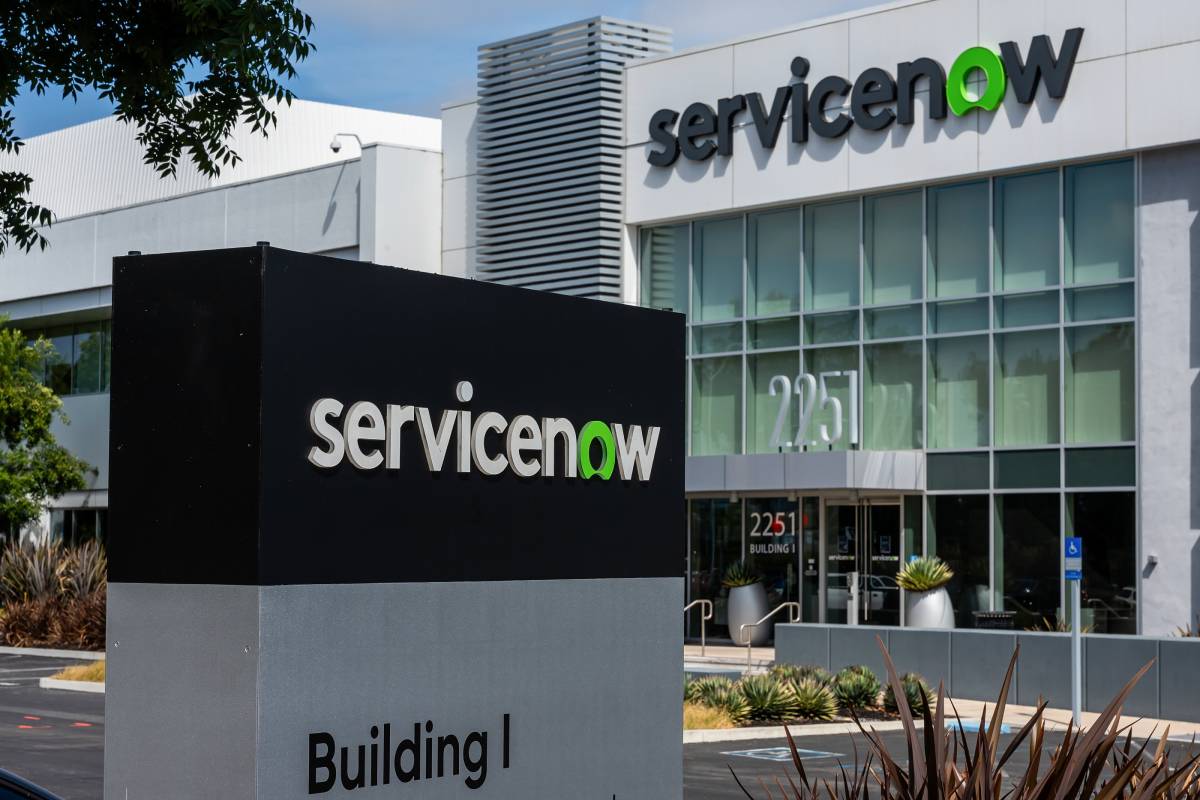
Shares of major software companies dropped significantly after ServiceNow and IBM reported earnings that fell short of market expectations or raised concerns about near-term growth trajectories.

April 24, 2026
|

Global software markets faced sharp declines following earnings reports from ServiceNow and IBM, which intensified concerns over the pace and profitability of AI-driven growth. The market reaction underscores rising investor scrutiny of AI monetization strategies and signals shifting sentiment across enterprise technology sectors.

Shares of major software companies dropped significantly after ServiceNow and IBM reported earnings that fell short of market expectations or raised concerns about near-term growth trajectories.

Investors reacted to signals that AI investments may take longer to translate into revenue growth and profitability. The sell-off extended beyond the two companies, impacting broader software and cloud stocks.

The developments highlight growing sensitivity in markets to earnings guidance tied to AI adoption, with investors closely evaluating whether enterprise spending on AI platforms is translating into measurable financial returns. The volatility reflects recalibration of expectations around AI-driven growth cycles.

The decline in software stocks reflects a broader shift in market dynamics as artificial intelligence transitions from hype-driven growth expectations to execution-focused evaluation. Over the past year, AI has driven strong valuations across technology companies, with investors betting on rapid monetization of generative AI capabilities.

However, enterprise adoption cycles for AI solutions particularly in large-scale deployments are often longer and more complex than initially anticipated. Companies like ServiceNow and IBM are at the forefront of integrating AI into enterprise workflows, making their performance a key indicator of broader industry trends.

Historically, technology cycles have experienced similar phases of optimism followed by correction as markets adjust to realistic growth timelines. The current volatility suggests that AI adoption is entering a more mature phase focused on measurable business outcomes rather than speculative expansion.

Market analysts suggest that the reaction to ServiceNow and IBM earnings reflects a recalibration of expectations rather than a fundamental slowdown in AI adoption. Experts note that while demand for AI solutions remains strong, monetization timelines may be longer due to integration complexity and enterprise budgeting cycles.

Technology strategists emphasize that companies are still investing heavily in AI infrastructure, but revenue realization depends on successful deployment and scaling of use cases.

Industry observers also highlight that investor sentiment is becoming more selective, favoring companies with clear pathways to profitability in AI initiatives. While no direct quotes are cited, commentary broadly frames the sell-off as part of a natural market adjustment as AI transitions from early hype to operational reality.

For enterprises, the market reaction signals increasing pressure to demonstrate tangible returns on AI investments. Companies may need to reassess deployment strategies, focusing on measurable productivity gains and cost efficiencies.

For investors, the volatility highlights the importance of differentiating between companies with strong AI execution capabilities and those still in early adoption phases.

From a policy perspective, the shift underscores the need for clearer frameworks supporting enterprise AI adoption, including standards for transparency, accountability, and performance measurement. Governments may also monitor the broader economic impact of AI investment cycles on technology sector stability.

Looking ahead, markets are expected to remain sensitive to earnings signals related to AI monetization and enterprise adoption. Key factors to watch include revenue growth tied to AI services, cost management, and scalability of AI solutions. While short-term volatility may persist, long-term demand for AI-driven software is expected to remain strong as enterprises continue digital transformation initiatives.

Source: CNBC
Date: April 23, 2026

  • Featured tools
Figstack AI
Free

Figstack AI is an intelligent assistant for developers that explains code, generates docstrings, converts code between languages, and analyzes time complexity helping you work smarter, not harder.

#
Coding
Learn more
Alli AI
Free

Alli AI is an all-in-one, AI-powered SEO automation platform that streamlines on-page optimization, site auditing, speed improvements, schema generation, internal linking, and ranking insights.

#
SEO
Learn more

Learn more about future of AI

Join 80,000+ Ai enthusiast getting weekly updates on exciting AI tools.
Thank you! Your submission has been received!
Oops! Something went wrong while submitting the form.

Software Stocks Slide on AI Growth Concerns

April 24, 2026

Shares of major software companies dropped significantly after ServiceNow and IBM reported earnings that fell short of market expectations or raised concerns about near-term growth trajectories.

Global software markets faced sharp declines following earnings reports from ServiceNow and IBM, which intensified concerns over the pace and profitability of AI-driven growth. The market reaction underscores rising investor scrutiny of AI monetization strategies and signals shifting sentiment across enterprise technology sectors.

Shares of major software companies dropped significantly after ServiceNow and IBM reported earnings that fell short of market expectations or raised concerns about near-term growth trajectories.

Investors reacted to signals that AI investments may take longer to translate into revenue growth and profitability. The sell-off extended beyond the two companies, impacting broader software and cloud stocks.

The developments highlight growing sensitivity in markets to earnings guidance tied to AI adoption, with investors closely evaluating whether enterprise spending on AI platforms is translating into measurable financial returns. The volatility reflects recalibration of expectations around AI-driven growth cycles.

The decline in software stocks reflects a broader shift in market dynamics as artificial intelligence transitions from hype-driven growth expectations to execution-focused evaluation. Over the past year, AI has driven strong valuations across technology companies, with investors betting on rapid monetization of generative AI capabilities.

However, enterprise adoption cycles for AI solutions particularly in large-scale deployments are often longer and more complex than initially anticipated. Companies like ServiceNow and IBM are at the forefront of integrating AI into enterprise workflows, making their performance a key indicator of broader industry trends.

Historically, technology cycles have experienced similar phases of optimism followed by correction as markets adjust to realistic growth timelines. The current volatility suggests that AI adoption is entering a more mature phase focused on measurable business outcomes rather than speculative expansion.

Market analysts suggest that the reaction to ServiceNow and IBM earnings reflects a recalibration of expectations rather than a fundamental slowdown in AI adoption. Experts note that while demand for AI solutions remains strong, monetization timelines may be longer due to integration complexity and enterprise budgeting cycles.

Technology strategists emphasize that companies are still investing heavily in AI infrastructure, but revenue realization depends on successful deployment and scaling of use cases.

Industry observers also highlight that investor sentiment is becoming more selective, favoring companies with clear pathways to profitability in AI initiatives. While no direct quotes are cited, commentary broadly frames the sell-off as part of a natural market adjustment as AI transitions from early hype to operational reality.

For enterprises, the market reaction signals increasing pressure to demonstrate tangible returns on AI investments. Companies may need to reassess deployment strategies, focusing on measurable productivity gains and cost efficiencies.

For investors, the volatility highlights the importance of differentiating between companies with strong AI execution capabilities and those still in early adoption phases.

From a policy perspective, the shift underscores the need for clearer frameworks supporting enterprise AI adoption, including standards for transparency, accountability, and performance measurement. Governments may also monitor the broader economic impact of AI investment cycles on technology sector stability.

Looking ahead, markets are expected to remain sensitive to earnings signals related to AI monetization and enterprise adoption. Key factors to watch include revenue growth tied to AI services, cost management, and scalability of AI solutions. While short-term volatility may persist, long-term demand for AI-driven software is expected to remain strong as enterprises continue digital transformation initiatives.

Source: CNBC
Date: April 23, 2026

Promote Your Tool

Copy Embed Code

Similar Blogs

April 24, 2026
|

Apple iPhone Feature Targets Rising Spam Calls

Apple is promoting a native iPhone setting “Silence Unknown Callers” that automatically filters calls from numbers not in a user’s contacts, recent calls, or Siri suggestions.
Read more
April 24, 2026
|

McAfee Pushes Tools for Growing Digital Footprints

McAfee has introduced features that allow users to identify, manage, and delete outdated online accounts, subscriptions, and stored personal data.
Read more
April 24, 2026
|

Mullvad Adds iOS Kill Switch to Boost Privacy

Mullvad VPN’s new feature acts as a kill switch, automatically blocking all internet traffic if the VPN disconnects, ensuring no data leaks occur during transitions between networks.
Read more
April 24, 2026
|

AI Tools Boost Cyber Threats From N Korean Hackers

Investigations reveal that threat actors associated with North Korea are increasingly leveraging AI-powered tools to improve phishing campaigns, automate coding tasks, and refine social engineering tactics.
Read more
April 24, 2026
|

Mozilla Uses AI Bug Hunting to Boost Firefox Security

Mozilla used Anthropic’s Mythos AI tool to uncover and fix 271 bugs within Firefox, significantly enhancing the browser’s security and performance.
Read more
April 24, 2026
|

Google Revives Persistent AI for Smart Homes

Google is reintroducing “continued conversations” in its Gemini for Home experience, allowing users to interact with devices without repeatedly triggering wake commands.
Read more