
Space Biotech Enters Drug Discovery Era

Exobiosphere and Voyager Technologies have announced plans to conduct an automated drug screening mission in space, leveraging orbital conditions to accelerate pharmaceutical research.

June 22, 2026
|
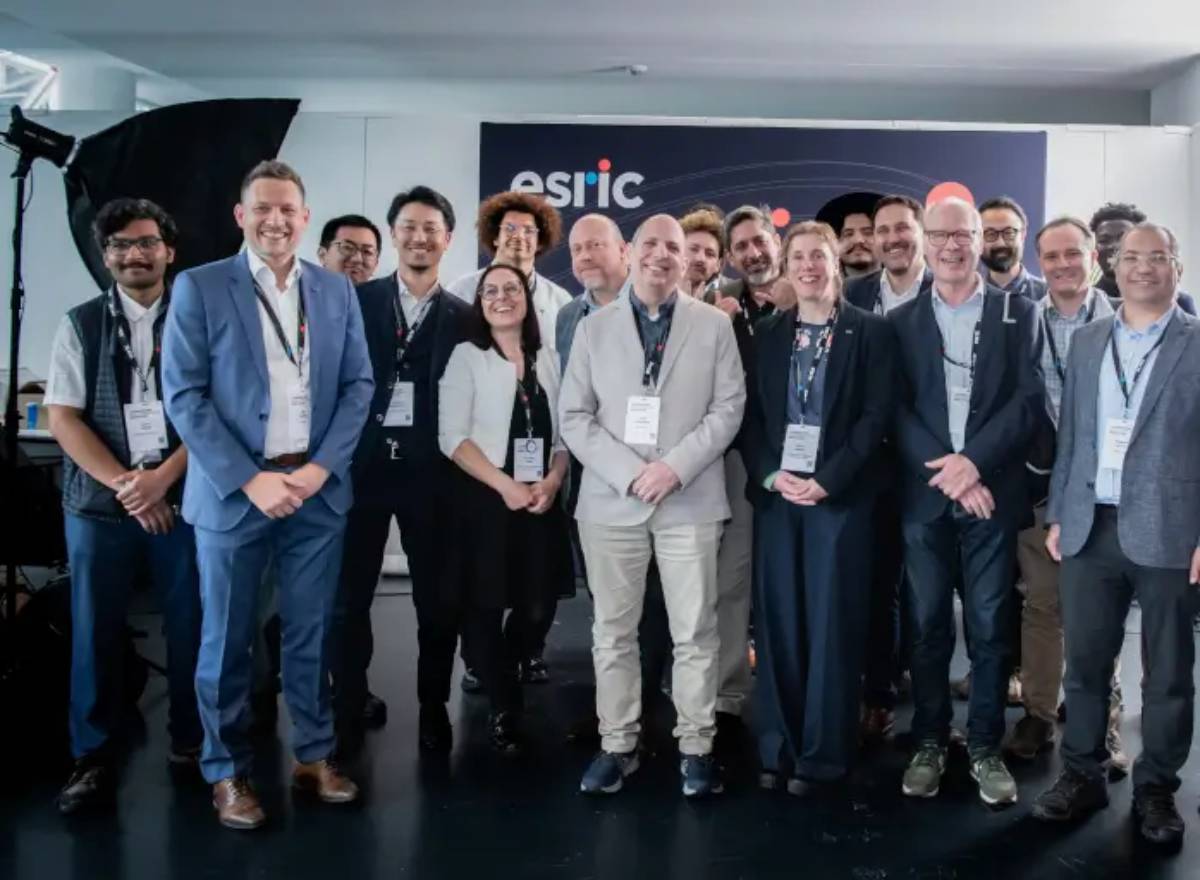
Image Source: Startup Luxembourg

A significant milestone in commercial space biotechnology has emerged as Exobiosphere partners with Voyager Technologies to launch what is described as the first automated drug screening mission in orbit. The initiative highlights the growing convergence of artificial intelligence, biotechnology, and space research, with potential implications for pharmaceutical innovation and healthcare advancement worldwide.

Exobiosphere and Voyager Technologies have announced plans to conduct an automated drug screening mission in space, leveraging orbital conditions to accelerate pharmaceutical research. The collaboration seeks to utilize microgravity environments and advanced automation technologies to test drug candidates more efficiently than conventional Earth-based mcythods.

The mission combines biotechnology expertise with space infrastructure capabilities, creating a platform for conducting complex scientific experiments beyond terrestrial laboratories. By automating screening processes, the initiative aims to increase research efficiency while reducing operational limitations associated with traditional experimentation.

The project reflects growing interest from both the biotechnology and aerospace sectors in commercializing scientific research conducted in orbit and expanding the practical applications of space-based innovation.

The pharmaceutical industry faces increasing pressure to accelerate drug discovery while controlling research costs and improving success rates. Simultaneously, the commercial space sector is seeking new applications that extend beyond satellite deployment, telecommunications, and transportation services.

The development aligns with a broader trend across global markets where space is increasingly viewed as a platform for advanced scientific research. Microgravity environments can influence biological processes in unique ways, providing researchers with opportunities to observe cellular behavior, protein formation, and molecular interactions under conditions unavailable on Earth.

Historically, space-based biomedical research was largely restricted to government-led missions and academic institutions. However, falling launch costs and the emergence of private space infrastructure providers have opened opportunities for startups and commercial enterprises.

As biotechnology, artificial intelligence, and automation continue to converge, space-based drug development is emerging as a potentially transformative field with implications for healthcare, life sciences, and scientific innovation.

Industry analysts view the partnership as a strong example of how commercial space activities are expanding into high-value scientific applications. Experts suggest that automated experimentation platforms could significantly improve research efficiency by enabling continuous data collection and analysis in environments optimized for scientific discovery.

Biotechnology specialists argue that microgravity research may reveal biological insights that could accelerate the identification of promising therapeutic compounds. Combined with automation and advanced computational tools, these capabilities have the potential to shorten development timelines and improve experimental accuracy.

Space economy observers also highlight the growing commercialization of research infrastructure in orbit. Partnerships between biotech innovators and aerospace companies are increasingly seen as strategic collaborations that create new revenue streams while advancing scientific knowledge.

Many experts believe that the future growth of the space economy will depend not only on exploration but also on its ability to generate practical commercial and societal benefits through research and innovation.

For pharmaceutical companies, the mission demonstrates how space-based research could become an additional tool for accelerating drug discovery and improving R&D productivity. Organizations seeking competitive advantages may increasingly explore partnerships that leverage orbital research environments.

For investors, the initiative highlights the emergence of space biotechnology as a promising investment category at the intersection of healthcare, artificial intelligence, and aerospace innovation. The sector offers opportunities for diversification within rapidly growing technology markets.

From a policy perspective, governments may need to develop clearer regulatory frameworks governing commercial biomedical research in space. As private-sector participation expands, policymakers will face increasing demands for standards related to safety, intellectual property, and international cooperation.

The success of the automated drug screening mission will be closely monitored by stakeholders across biotechnology and aerospace industries. Future outcomes could influence investment decisions, research strategies, and the pace of commercialization in space-based life sciences.

Decision-makers should watch for scientific results, commercial partnerships, and regulatory developments emerging from this mission. As access to orbital research platforms expands, space may become an increasingly important frontier for pharmaceutical innovation and advanced scientific discovery.

Source: Startup Luxembourg
Date: June 2026

  • Featured tools
Wonder AI
Free

Wonder AI is a versatile AI-powered creative platform that generates text, images, and audio with minimal input, designed for fast storytelling, visual creation, and audio content generation

#
Art Generator
Learn more
Surfer AI
Free

Surfer AI is an AI-powered content creation assistant built into the Surfer SEO platform, designed to generate SEO-optimized articles from prompts, leveraging data from search results to inform tone, structure, and relevance.

#
SEO
Learn more

Learn more about future of AI

Join 80,000+ Ai enthusiast getting weekly updates on exciting AI tools.
Thank you! Your submission has been received!
Oops! Something went wrong while submitting the form.

Space Biotech Enters Drug Discovery Era

June 22, 2026

Exobiosphere and Voyager Technologies have announced plans to conduct an automated drug screening mission in space, leveraging orbital conditions to accelerate pharmaceutical research.

Image Source: Startup Luxembourg

A significant milestone in commercial space biotechnology has emerged as Exobiosphere partners with Voyager Technologies to launch what is described as the first automated drug screening mission in orbit. The initiative highlights the growing convergence of artificial intelligence, biotechnology, and space research, with potential implications for pharmaceutical innovation and healthcare advancement worldwide.

Exobiosphere and Voyager Technologies have announced plans to conduct an automated drug screening mission in space, leveraging orbital conditions to accelerate pharmaceutical research. The collaboration seeks to utilize microgravity environments and advanced automation technologies to test drug candidates more efficiently than conventional Earth-based mcythods.

The mission combines biotechnology expertise with space infrastructure capabilities, creating a platform for conducting complex scientific experiments beyond terrestrial laboratories. By automating screening processes, the initiative aims to increase research efficiency while reducing operational limitations associated with traditional experimentation.

The project reflects growing interest from both the biotechnology and aerospace sectors in commercializing scientific research conducted in orbit and expanding the practical applications of space-based innovation.

The pharmaceutical industry faces increasing pressure to accelerate drug discovery while controlling research costs and improving success rates. Simultaneously, the commercial space sector is seeking new applications that extend beyond satellite deployment, telecommunications, and transportation services.

The development aligns with a broader trend across global markets where space is increasingly viewed as a platform for advanced scientific research. Microgravity environments can influence biological processes in unique ways, providing researchers with opportunities to observe cellular behavior, protein formation, and molecular interactions under conditions unavailable on Earth.

Historically, space-based biomedical research was largely restricted to government-led missions and academic institutions. However, falling launch costs and the emergence of private space infrastructure providers have opened opportunities for startups and commercial enterprises.

As biotechnology, artificial intelligence, and automation continue to converge, space-based drug development is emerging as a potentially transformative field with implications for healthcare, life sciences, and scientific innovation.

Industry analysts view the partnership as a strong example of how commercial space activities are expanding into high-value scientific applications. Experts suggest that automated experimentation platforms could significantly improve research efficiency by enabling continuous data collection and analysis in environments optimized for scientific discovery.

Biotechnology specialists argue that microgravity research may reveal biological insights that could accelerate the identification of promising therapeutic compounds. Combined with automation and advanced computational tools, these capabilities have the potential to shorten development timelines and improve experimental accuracy.

Space economy observers also highlight the growing commercialization of research infrastructure in orbit. Partnerships between biotech innovators and aerospace companies are increasingly seen as strategic collaborations that create new revenue streams while advancing scientific knowledge.

Many experts believe that the future growth of the space economy will depend not only on exploration but also on its ability to generate practical commercial and societal benefits through research and innovation.

For pharmaceutical companies, the mission demonstrates how space-based research could become an additional tool for accelerating drug discovery and improving R&D productivity. Organizations seeking competitive advantages may increasingly explore partnerships that leverage orbital research environments.

For investors, the initiative highlights the emergence of space biotechnology as a promising investment category at the intersection of healthcare, artificial intelligence, and aerospace innovation. The sector offers opportunities for diversification within rapidly growing technology markets.

From a policy perspective, governments may need to develop clearer regulatory frameworks governing commercial biomedical research in space. As private-sector participation expands, policymakers will face increasing demands for standards related to safety, intellectual property, and international cooperation.

The success of the automated drug screening mission will be closely monitored by stakeholders across biotechnology and aerospace industries. Future outcomes could influence investment decisions, research strategies, and the pace of commercialization in space-based life sciences.

Decision-makers should watch for scientific results, commercial partnerships, and regulatory developments emerging from this mission. As access to orbital research platforms expands, space may become an increasingly important frontier for pharmaceutical innovation and advanced scientific discovery.

Source: Startup Luxembourg
Date: June 2026

Promote Your Tool

Copy Embed Code

Similar Blogs

June 23, 2026
|

Iran US Summit Opens in Switzerland

Delegations from Iran and the United States have convened at the Bürgenstock venue in Switzerland for structured diplomatic discussions.
Read more
June 23, 2026
|

Switzerland Signals Diplomatic Momentum

Swiss authorities, acting as facilitators of neutral diplomacy, reported positive signals emerging from Iran–US discussions held in a structured diplomatic setting.
Read more
June 23, 2026
|

Switzerland Tech Ecosystem Gains Momentum

Project Switzerland hosted its inaugural community gathering centered around building a high-performance innovation ecosystem. The event brought together entrepreneurs, startup founders.
Read more
June 23, 2026
|

AI Health Co Pilots Transform Care

The concept of a “silent co-pilot” in healthcare refers to AI systems embedded in digital health infrastructure that continuously analyze patient data, wearable inputs, and clinical records.
Read more
June 23, 2026
|

SOPHiA GENETICS Raises $57.5M Expansion

The Swiss-based health tech company completed a $57.5 million capital raise via a public offering, aimed at supporting its AI-driven analytics platform used in genomic and clinical data interpretation.
Read more
June 23, 2026
|

AI Agents Enter Consumer Finance

An AI agent executed a coffee purchase in Finland using a regulated payment channel supported by a major Nordic bank and a global card network.
Read more