
SpaceX Launches $60B AI Acquisition Spree

Reports indicate that SpaceX is pursuing a large-scale $60 billion investment initiative focused on acquiring AI-related technologies and capabilities. The strategy is expected to enhance its satellite networks, autonomous systems, and data-driven aerospace operations.

April 28, 2026
|
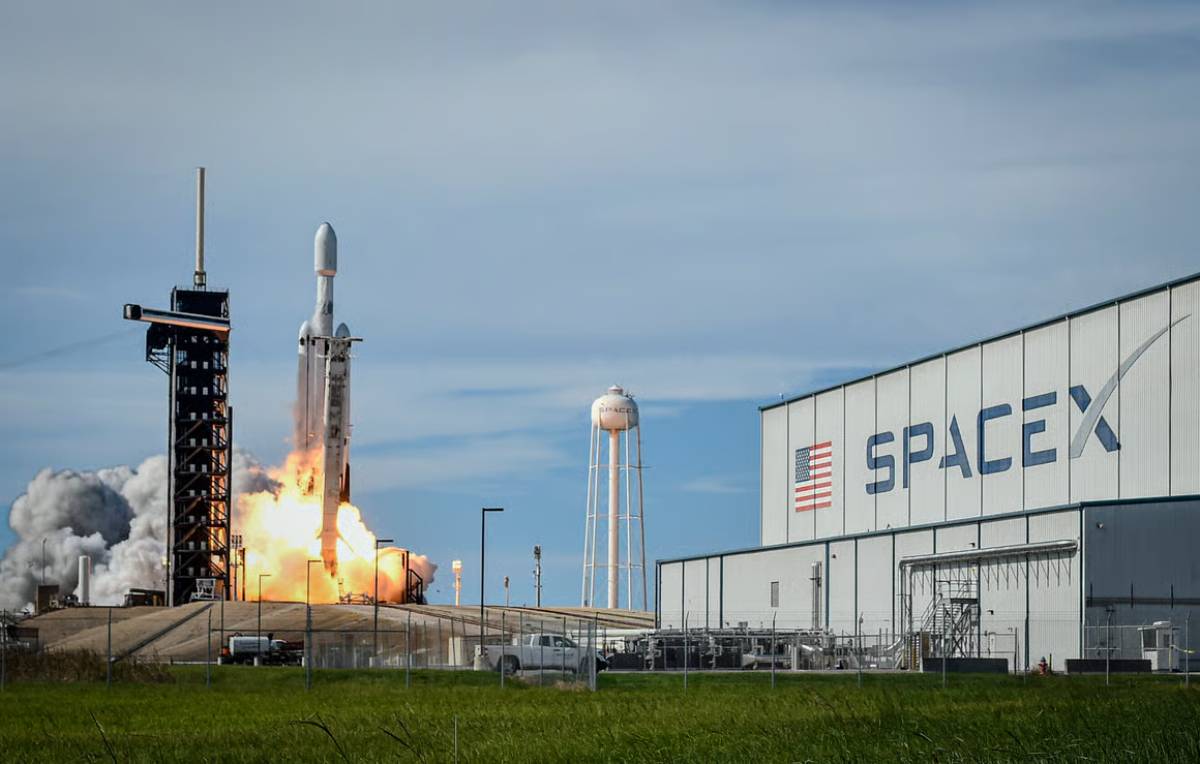
Image Source: https://www.politico.eu

SpaceX is reportedly undertaking a $60 billion artificial intelligence acquisition strategy aimed at strengthening its intelligence-driven aerospace and satellite capabilities. The move underscores the convergence of AI and space technology, with implications for defense systems, satellite communications, and next-generation autonomous infrastructure.

Reports indicate that SpaceX is pursuing a large-scale $60 billion investment initiative focused on acquiring AI-related technologies and capabilities. The strategy is expected to enhance its satellite networks, autonomous systems, and data-driven aerospace operations.

The initiative aligns with SpaceX’s broader ambition to integrate advanced AI into its Starlink constellation and space exploration programs. While specific acquisition targets have not been fully disclosed, the focus appears to span machine learning, edge intelligence, and autonomous navigation systems.

The scale of the reported spending highlights growing competition in AI-integrated aerospace systems, where intelligence capabilities are becoming central to operational efficiency and strategic advantage.

The development aligns with a broader trend across global markets where artificial intelligence is increasingly being embedded into aerospace, defense, and satellite communications systems. AI is now seen as essential for managing complex orbital networks, optimizing satellite performance, and enabling autonomous decision-making in space environments.

Companies such as SpaceX, Blue Origin, and government agencies like NASA are investing in next-generation space technologies that integrate AI for navigation, communication, and mission control.

Historically, aerospace innovation has been driven by advances in propulsion and materials science. However, the current shift reflects a transition toward software-defined space systems, where AI plays a critical role in real-time decision-making and operational autonomy. This convergence is reshaping both commercial space operations and national security strategies.

Industry analysts view the reported AI acquisition strategy as a signal that space companies are evolving into full-stack intelligence platforms. Experts suggest that integrating AI into satellite and launch systems could significantly improve efficiency, reduce latency, and enhance autonomous capabilities.

Defense and aerospace analysts note that AI-enabled space infrastructure could play a strategic role in communications resilience, Earth observation, and global connectivity. However, they also caution that such systems introduce new complexities around cybersecurity, data governance, and orbital traffic management.

From a market perspective, analysts highlight that large-scale AI investment by aerospace firms reflects growing competition at the intersection of defense technology and commercial space services. This convergence is expected to attract further investment from both private capital and government-backed programs.

For businesses, the move signals expanding opportunities in AI-driven aerospace supply chains, including software, hardware, and data analytics providers. Companies involved in satellite communications and autonomous systems may benefit from increased demand.

Investors could view the initiative as a long-term bet on the convergence of AI and space infrastructure, though execution risks remain high given technological and regulatory complexity. Policymakers may need to address emerging challenges around space governance, AI safety in autonomous systems, and dual-use technology regulation.

For global executives, the shift underscores the growing importance of AI as a foundational layer in advanced industrial ecosystems, including space and defense. Looking ahead, market participants will closely monitor acquisition targets and integration progress within SpaceX’s AI strategy. The success of this initiative will depend on technological execution and regulatory alignment in both aerospace and AI domains.

Decision-makers should watch the accelerating convergence of space systems and artificial intelligence. If successful, this model could redefine how orbital infrastructure is designed, operated, and monetized in the coming decade.

Source: The Motley Fool
Date: April 27, 2026

  • Featured tools
Neuron AI
Free

Neuron AI is an AI-driven content optimization platform that helps creators produce SEO-friendly content by combining semantic SEO, competitor analysis, and AI-assisted writing workflows.

#
SEO
Learn more
Murf Ai
Free

Murf AI Review – Advanced AI Voice Generator for Realistic Voiceovers

#
Text to Speech
Learn more

Learn more about future of AI

Join 80,000+ Ai enthusiast getting weekly updates on exciting AI tools.
Thank you! Your submission has been received!
Oops! Something went wrong while submitting the form.

SpaceX Launches $60B AI Acquisition Spree

April 28, 2026

Reports indicate that SpaceX is pursuing a large-scale $60 billion investment initiative focused on acquiring AI-related technologies and capabilities. The strategy is expected to enhance its satellite networks, autonomous systems, and data-driven aerospace operations.

Image Source: https://www.politico.eu

SpaceX is reportedly undertaking a $60 billion artificial intelligence acquisition strategy aimed at strengthening its intelligence-driven aerospace and satellite capabilities. The move underscores the convergence of AI and space technology, with implications for defense systems, satellite communications, and next-generation autonomous infrastructure.

Reports indicate that SpaceX is pursuing a large-scale $60 billion investment initiative focused on acquiring AI-related technologies and capabilities. The strategy is expected to enhance its satellite networks, autonomous systems, and data-driven aerospace operations.

The initiative aligns with SpaceX’s broader ambition to integrate advanced AI into its Starlink constellation and space exploration programs. While specific acquisition targets have not been fully disclosed, the focus appears to span machine learning, edge intelligence, and autonomous navigation systems.

The scale of the reported spending highlights growing competition in AI-integrated aerospace systems, where intelligence capabilities are becoming central to operational efficiency and strategic advantage.

The development aligns with a broader trend across global markets where artificial intelligence is increasingly being embedded into aerospace, defense, and satellite communications systems. AI is now seen as essential for managing complex orbital networks, optimizing satellite performance, and enabling autonomous decision-making in space environments.

Companies such as SpaceX, Blue Origin, and government agencies like NASA are investing in next-generation space technologies that integrate AI for navigation, communication, and mission control.

Historically, aerospace innovation has been driven by advances in propulsion and materials science. However, the current shift reflects a transition toward software-defined space systems, where AI plays a critical role in real-time decision-making and operational autonomy. This convergence is reshaping both commercial space operations and national security strategies.

Industry analysts view the reported AI acquisition strategy as a signal that space companies are evolving into full-stack intelligence platforms. Experts suggest that integrating AI into satellite and launch systems could significantly improve efficiency, reduce latency, and enhance autonomous capabilities.

Defense and aerospace analysts note that AI-enabled space infrastructure could play a strategic role in communications resilience, Earth observation, and global connectivity. However, they also caution that such systems introduce new complexities around cybersecurity, data governance, and orbital traffic management.

From a market perspective, analysts highlight that large-scale AI investment by aerospace firms reflects growing competition at the intersection of defense technology and commercial space services. This convergence is expected to attract further investment from both private capital and government-backed programs.

For businesses, the move signals expanding opportunities in AI-driven aerospace supply chains, including software, hardware, and data analytics providers. Companies involved in satellite communications and autonomous systems may benefit from increased demand.

Investors could view the initiative as a long-term bet on the convergence of AI and space infrastructure, though execution risks remain high given technological and regulatory complexity. Policymakers may need to address emerging challenges around space governance, AI safety in autonomous systems, and dual-use technology regulation.

For global executives, the shift underscores the growing importance of AI as a foundational layer in advanced industrial ecosystems, including space and defense. Looking ahead, market participants will closely monitor acquisition targets and integration progress within SpaceX’s AI strategy. The success of this initiative will depend on technological execution and regulatory alignment in both aerospace and AI domains.

Decision-makers should watch the accelerating convergence of space systems and artificial intelligence. If successful, this model could redefine how orbital infrastructure is designed, operated, and monetized in the coming decade.

Source: The Motley Fool
Date: April 27, 2026

Promote Your Tool

Copy Embed Code

Similar Blogs

April 28, 2026
|

iPad Air M3 Gets Clearance Discounts

Amazon and other retailers are actively clearing final units of the M3 iPad Air model through significant price reductions.
Read more
April 28, 2026
|

GM Advances AI-Designed Vehicle Development Strategy

General Motors is reportedly advancing the use of AI systems in vehicle design, leveraging machine learning models to assist in shaping next-generation automotive concepts.
Read more
April 28, 2026
|

Canva AI Tool Incident Sparks Backlash

Canva confirmed issues with its AI feature after users reported that the system replaced or altered references to “Palestine” in design outputs.
Read more
April 28, 2026
|

Amazon Kindle Paperwhite Gets Price Cut Ahead Demand

The latest deal on the Kindle Paperwhite includes a $25 discount, alongside features such as waterproofing and glare-free display technology. The promotion is positioned to capture seasonal demand during the Mother’s Day shopping period.
Read more
April 28, 2026
|

Google I/O 2026 Focuses on AI Platforms

Google I/O 2026 is anticipated to highlight new AI-driven products, updates to developer tools, and expanded capabilities across its AI platforms.
Read more
April 28, 2026
|

Xreal Cuts One Pro Price, Boosting AR Competition

Xreal has permanently reduced the price of its One Pro AR glasses, aiming to improve accessibility and broaden consumer adoption of its augmented reality ecosystem.
Read more