
Stendr Raises $5.4M Defence Funding

Stendr’s funding round marks one of the early investments in a new generation of Nordic defence startups focused on broader defence infrastructure.

July 7, 2026
|

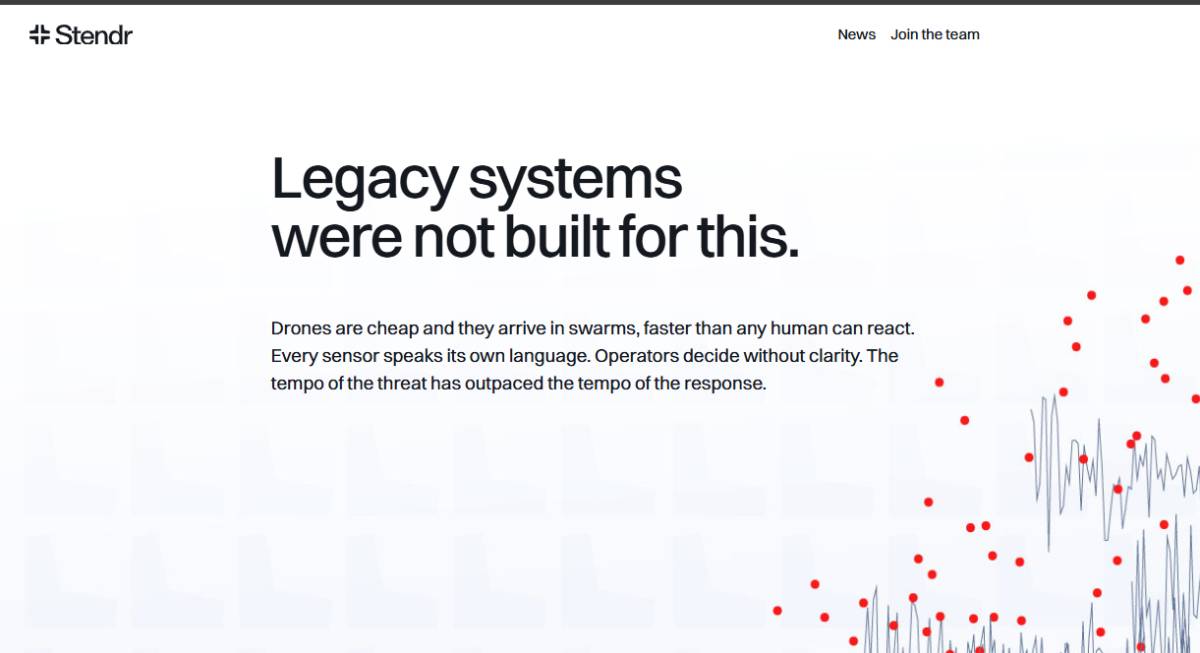
Oslo-based defence technology startup Stendr has secured $5.4 million in pre-seed funding to develop a new approach to Nordic defence innovation. Rather than focusing solely on individual hardware solutions such as drones, the company aims to become a strategic defence platform provider, addressing the growing demand for integrated, scalable, and resilient security capabilities.

Stendr’s funding round marks one of the early investments in a new generation of Nordic defence startups focused on broader defence infrastructure. The company’s vision is centered on building a “prime” defence technology player capable of coordinating advanced systems, partnerships, and capabilities.

The investment comes as European countries increase defence spending and seek stronger domestic technology capabilities amid changing geopolitical conditions. Stendr plans to use the capital to develop its platform, expand its team, and establish partnerships within the defence ecosystem.

The company’s strategy reflects a shift from isolated defence products toward integrated solutions designed for modern security challenges. Europe’s defence sector is undergoing a major transformation as governments reassess security priorities, supply chain resilience, and technological independence. Rising geopolitical tensions, increased defence budgets, and the need for faster innovation have created opportunities for startups developing advanced security technologies.

Historically, defence innovation has been dominated by large aerospace and military contractors. However, recent conflicts have demonstrated the importance of flexible technologies, autonomous systems, software platforms, and rapid deployment capabilities.

Nordic countries have emerged as important contributors to Europe’s defence technology landscape, combining strong engineering expertise with growing investment interest. While drones and autonomous systems have attracted significant attention, industry leaders increasingly recognize that future defence capabilities will require interconnected platforms, data infrastructure, cybersecurity, and operational coordination.

Stendr’s approach reflects this broader shift toward building comprehensive defence technology ecosystems rather than standalone products. Defence analysts suggest that the next generation of military technology companies will need to solve complex integration challenges rather than simply develop individual tools. Modern defence operations increasingly depend on connecting sensors, intelligence systems, communication networks, and autonomous technologies.

Investors are showing greater interest in defence startups that can provide strategic infrastructure and scalable platforms, particularly as governments look to strengthen domestic capabilities and reduce reliance on external suppliers.

Industry observers note that Nordic countries have several advantages in defence innovation, including advanced technology sectors, strong research institutions, and close relationships between public and private organizations. However, experts emphasize that defence startups must navigate demanding regulatory requirements, procurement processes, and long development cycles.

Stendr’s funding highlights growing confidence that entrepreneurial companies can play a larger role in shaping Europe’s future defence ecosystem. For investors, Stendr’s funding reflects a broader opportunity in defence technology as governments increase spending and seek innovative solutions. Companies capable of combining software, hardware, and strategic partnerships may attract significant attention from both private and public-sector buyers.

For defence policymakers, supporting startup participation could accelerate innovation while strengthening national and regional security capabilities. However, governments must balance rapid adoption with security standards, procurement transparency, and long-term reliability.

For traditional defence companies, the rise of technology-driven startups introduces new competition and potential collaboration opportunities. The future defence market is likely to favor organizations that can integrate emerging technologies into comprehensive operational systems.

Stendr’s progress will be closely watched as Europe continues modernizing its defence capabilities. The company’s success will depend on its ability to transform its strategic vision into operational solutions, secure defence partnerships, and compete in a demanding market. As defence innovation moves beyond individual technologies toward integrated ecosystems, startups building foundational platforms could become important players in the future security landscape.

Source: NordicTech News
Date: July 2026

  • Featured tools
Scalenut AI
Free

Scalenut AI is an all-in-one SEO content platform that combines AI-driven writing, keyword research, competitor insights, and optimization tools to help you plan, create, and rank content.

#
SEO
Learn more
Figstack AI
Free

Figstack AI is an intelligent assistant for developers that explains code, generates docstrings, converts code between languages, and analyzes time complexity helping you work smarter, not harder.

#
Coding
Learn more

Learn more about future of AI

Join 80,000+ Ai enthusiast getting weekly updates on exciting AI tools.
Thank you! Your submission has been received!
Oops! Something went wrong while submitting the form.

Stendr Raises $5.4M Defence Funding

July 7, 2026

Stendr’s funding round marks one of the early investments in a new generation of Nordic defence startups focused on broader defence infrastructure.

Oslo-based defence technology startup Stendr has secured $5.4 million in pre-seed funding to develop a new approach to Nordic defence innovation. Rather than focusing solely on individual hardware solutions such as drones, the company aims to become a strategic defence platform provider, addressing the growing demand for integrated, scalable, and resilient security capabilities.

Stendr’s funding round marks one of the early investments in a new generation of Nordic defence startups focused on broader defence infrastructure. The company’s vision is centered on building a “prime” defence technology player capable of coordinating advanced systems, partnerships, and capabilities.

The investment comes as European countries increase defence spending and seek stronger domestic technology capabilities amid changing geopolitical conditions. Stendr plans to use the capital to develop its platform, expand its team, and establish partnerships within the defence ecosystem.

The company’s strategy reflects a shift from isolated defence products toward integrated solutions designed for modern security challenges. Europe’s defence sector is undergoing a major transformation as governments reassess security priorities, supply chain resilience, and technological independence. Rising geopolitical tensions, increased defence budgets, and the need for faster innovation have created opportunities for startups developing advanced security technologies.

Historically, defence innovation has been dominated by large aerospace and military contractors. However, recent conflicts have demonstrated the importance of flexible technologies, autonomous systems, software platforms, and rapid deployment capabilities.

Nordic countries have emerged as important contributors to Europe’s defence technology landscape, combining strong engineering expertise with growing investment interest. While drones and autonomous systems have attracted significant attention, industry leaders increasingly recognize that future defence capabilities will require interconnected platforms, data infrastructure, cybersecurity, and operational coordination.

Stendr’s approach reflects this broader shift toward building comprehensive defence technology ecosystems rather than standalone products. Defence analysts suggest that the next generation of military technology companies will need to solve complex integration challenges rather than simply develop individual tools. Modern defence operations increasingly depend on connecting sensors, intelligence systems, communication networks, and autonomous technologies.

Investors are showing greater interest in defence startups that can provide strategic infrastructure and scalable platforms, particularly as governments look to strengthen domestic capabilities and reduce reliance on external suppliers.

Industry observers note that Nordic countries have several advantages in defence innovation, including advanced technology sectors, strong research institutions, and close relationships between public and private organizations. However, experts emphasize that defence startups must navigate demanding regulatory requirements, procurement processes, and long development cycles.

Stendr’s funding highlights growing confidence that entrepreneurial companies can play a larger role in shaping Europe’s future defence ecosystem. For investors, Stendr’s funding reflects a broader opportunity in defence technology as governments increase spending and seek innovative solutions. Companies capable of combining software, hardware, and strategic partnerships may attract significant attention from both private and public-sector buyers.

For defence policymakers, supporting startup participation could accelerate innovation while strengthening national and regional security capabilities. However, governments must balance rapid adoption with security standards, procurement transparency, and long-term reliability.

For traditional defence companies, the rise of technology-driven startups introduces new competition and potential collaboration opportunities. The future defence market is likely to favor organizations that can integrate emerging technologies into comprehensive operational systems.

Stendr’s progress will be closely watched as Europe continues modernizing its defence capabilities. The company’s success will depend on its ability to transform its strategic vision into operational solutions, secure defence partnerships, and compete in a demanding market. As defence innovation moves beyond individual technologies toward integrated ecosystems, startups building foundational platforms could become important players in the future security landscape.

Source: NordicTech News
Date: July 2026

Promote Your Tool

Copy Embed Code

Similar Blogs

July 7, 2026
|

Switzerland Reaffirms OSCE Security Role

Swiss Foreign Minister Ignazio Cassis has reaffirmed Switzerland’s support for the OSCE, describing the organization as essential for European security and diplomatic engagement.
Read more
July 7, 2026
|

Swiss AI Data Centre Faces Backlash

Activists protesting the construction of a new data centre in Beringen, Schaffhausen, have moved their demonstration camp while continuing opposition to the project.
Read more
July 7, 2026
|

Switzerland Tourism Faces Overtourism Challenges

Switzerland’s major tourist attractions remain heavily visited despite financial support programs designed to encourage broader tourism distribution.
Read more
July 7, 2026
|

Swiss Festival Showcases Community Tradition

The Swiss Federal Shooting Festival in Graubünden attracted approximately 100,000 attendees, making it one of the country’s major traditional gatherings.
Read more
July 7, 2026
|

WithSecure HENNGE Expand US Security

WithSecure and HENNGE are broadening their existing partnership to provide managed security capabilities for customers in the United States.
Read more
July 7, 2026
|

Norway Canada Launch Clean Tech Corridor

The Norway-Canada marine clean tech corridor aims to provide companies with access to testing environments, research capabilities, and industry partnerships across both countries.
Read more