
Europe Accelerates Deep Tech Commercialisation

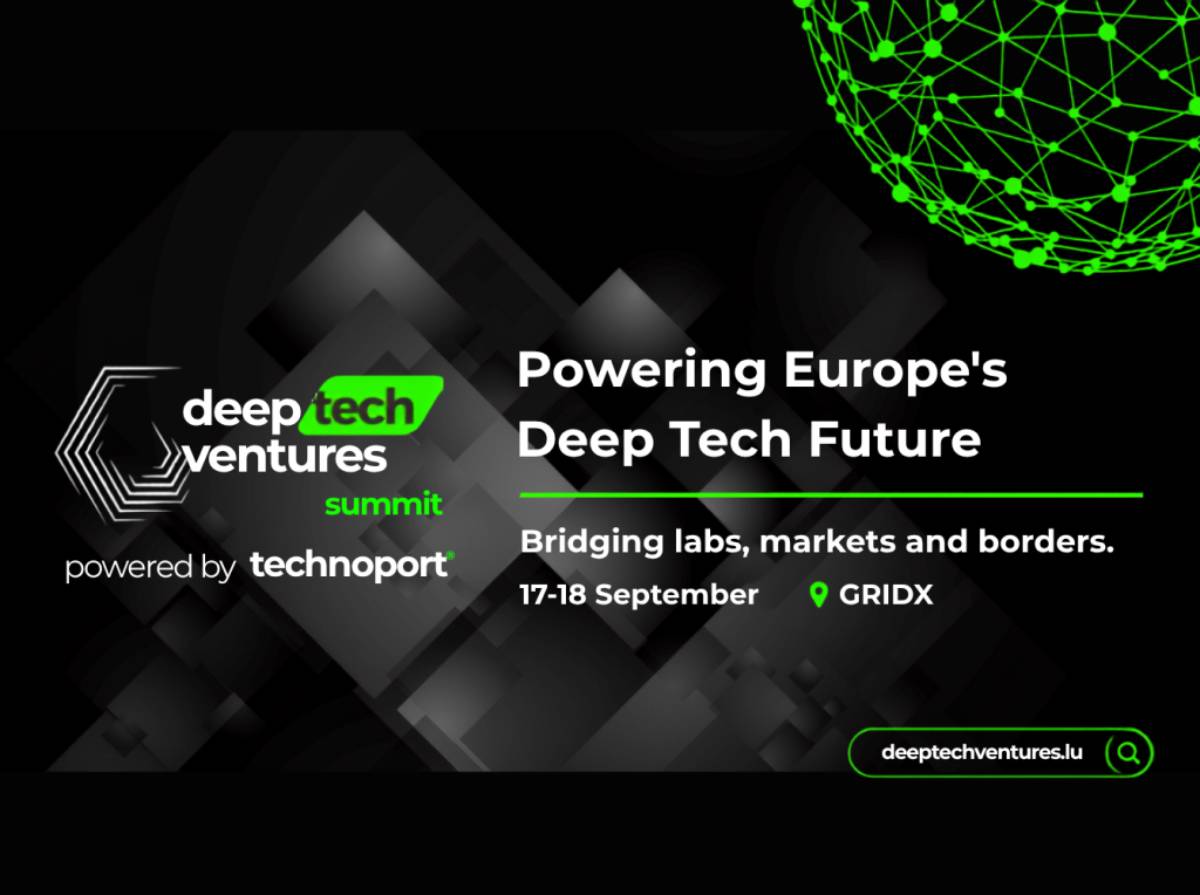
The DeepTech Ventures Summit 2026 brought together stakeholders from across Europe’s technology ecosystem to examine how deep-tech innovations can move more efficiently from research environments into scalable businesses.

July 29, 2026
|
Image Source:  Silicon Luxembourg

A major development is unfolding across Europe’s innovation landscape as policymakers, investors, research institutions, and technology entrepreneurs intensify efforts to bridge the gap between laboratory breakthroughs and commercial markets. Discussions at the DeepTech Ventures Summit 2026 highlighted the growing importance of building innovation corridors that connect scientific research, venture capital, industrial partners, and regulatory frameworks. The initiative signals a strategic shift aimed at strengthening Europe’s competitiveness in advanced technologies, supporting economic resilience, and accelerating the commercialization of next-generation innovations.

The DeepTech Ventures Summit 2026 brought together stakeholders from across Europe’s technology ecosystem to examine how deep-tech innovations can move more efficiently from research environments into scalable businesses.

Participants emphasized the need for stronger collaboration among universities, startups, venture capital firms, corporations, and public-sector institutions. Discussions focused on reducing commercialization barriers, improving access to growth capital, and creating pathways for emerging technologies to reach global markets.

The summit also highlighted Europe’s ambition to strengthen strategic autonomy in critical sectors such as artificial intelligence, advanced computing, space technologies, biotechnology, quantum systems, and sustainable energy solutions. Policymakers and industry leaders stressed that innovation corridors could play a central role in boosting regional competitiveness and economic growth.

The development aligns with a broader trend across global markets where governments are increasingly investing in innovation ecosystems as engines of long-term economic growth. While Europe produces world-class scientific research, many analysts have long argued that the continent struggles to convert academic breakthroughs into globally dominant technology companies.

In recent years, the United States and China have significantly expanded support for strategic technologies through public funding, industrial policies, and venture investment. Europe has responded with initiatives designed to strengthen innovation capacity, improve startup financing, and reduce dependence on foreign technology ecosystems.

Deep-tech ventures typically require longer development cycles, higher capital intensity, and stronger regulatory engagement than traditional software startups. As a result, innovation corridors have emerged as a policy concept aimed at connecting research institutions, investors, manufacturers, and government agencies across borders.

The growing focus on commercialization reflects increasing recognition that scientific leadership alone is insufficient without scalable pathways to market adoption. Industry experts participating in the summit emphasized that Europe’s competitive advantage lies in its research excellence, engineering talent, and strong academic institutions. However, they noted that translating innovation into market leadership requires greater coordination between public and private stakeholders.

Venture capital leaders argued that deep-tech companies need patient capital structures capable of supporting longer development timelines. Unlike consumer technology ventures, deep-tech startups often face complex regulatory requirements and substantial infrastructure needs before generating revenue.

Policy specialists highlighted the importance of harmonized regulations, cross-border investment mechanisms, and procurement frameworks that allow emerging technologies to secure early customers. Several participants pointed to successful examples in sectors such as aerospace, semiconductors, and clean energy where coordinated ecosystems accelerated commercialization.

Experts also stressed that innovation corridors should not be viewed solely as economic initiatives. They increasingly serve strategic objectives related to technological sovereignty, supply-chain resilience, and national security. As geopolitical competition intensifies, the ability to develop and retain critical technologies is becoming a central priority for governments worldwide.

For businesses, the expansion of innovation corridors could create new opportunities for partnerships, funding, technology transfer, and international market access. Corporations may gain earlier access to emerging technologies while startups benefit from stronger industrial connections and commercialization pathways.

Investors could see increased opportunities in sectors traditionally viewed as difficult to scale, including quantum computing, advanced manufacturing, biotech, and space technologies. Improved ecosystem coordination may also reduce investment risk and attract larger pools of institutional capital.

For policymakers, the discussion reinforces the need for long-term strategies that align research funding, industrial policy, and regulatory modernization. Governments may increasingly focus on creating environments that encourage entrepreneurship while protecting strategic technological capabilities.

Executives should monitor how these initiatives influence regional innovation hubs, talent mobility, and access to public-private funding programs across Europe. The next phase will focus on transforming policy discussions into measurable commercial outcomes. Decision-makers will closely watch whether innovation corridors can accelerate startup scaling, attract global investment, and strengthen Europe’s position in critical technologies.

Success will ultimately depend on sustained collaboration between researchers, investors, corporations, and governments. As competition for technological leadership intensifies, the ability to move innovations efficiently from lab to market may become one of Europe’s most important economic advantages.

Source: Silicon Luxembourg
Date: June 24, 2026

  • Featured tools
Twistly AI
Paid

Twistly AI is a PowerPoint add-in that allows users to generate full slide decks, improve existing presentations, and convert various content types into polished slides directly within Microsoft PowerPoint.It streamlines presentation creation using AI-powered text analysis, image generation and content conversion.

#
Presentation
Learn more
Writesonic AI
Free

Writesonic AI is a versatile AI writing platform designed for marketers, entrepreneurs, and content creators. It helps users create blog posts, ad copies, product descriptions, social media posts, and more with ease. With advanced AI models and user-friendly tools, Writesonic streamlines content production and saves time for busy professionals.

#
Copywriting
Learn more

Learn more about future of AI

Join 80,000+ Ai enthusiast getting weekly updates on exciting AI tools.
Thank you! Your submission has been received!
Oops! Something went wrong while submitting the form.

Europe Accelerates Deep Tech Commercialisation

July 29, 2026

The DeepTech Ventures Summit 2026 brought together stakeholders from across Europe’s technology ecosystem to examine how deep-tech innovations can move more efficiently from research environments into scalable businesses.

Image Source:  Silicon Luxembourg

A major development is unfolding across Europe’s innovation landscape as policymakers, investors, research institutions, and technology entrepreneurs intensify efforts to bridge the gap between laboratory breakthroughs and commercial markets. Discussions at the DeepTech Ventures Summit 2026 highlighted the growing importance of building innovation corridors that connect scientific research, venture capital, industrial partners, and regulatory frameworks. The initiative signals a strategic shift aimed at strengthening Europe’s competitiveness in advanced technologies, supporting economic resilience, and accelerating the commercialization of next-generation innovations.

The DeepTech Ventures Summit 2026 brought together stakeholders from across Europe’s technology ecosystem to examine how deep-tech innovations can move more efficiently from research environments into scalable businesses.

Participants emphasized the need for stronger collaboration among universities, startups, venture capital firms, corporations, and public-sector institutions. Discussions focused on reducing commercialization barriers, improving access to growth capital, and creating pathways for emerging technologies to reach global markets.

The summit also highlighted Europe’s ambition to strengthen strategic autonomy in critical sectors such as artificial intelligence, advanced computing, space technologies, biotechnology, quantum systems, and sustainable energy solutions. Policymakers and industry leaders stressed that innovation corridors could play a central role in boosting regional competitiveness and economic growth.

The development aligns with a broader trend across global markets where governments are increasingly investing in innovation ecosystems as engines of long-term economic growth. While Europe produces world-class scientific research, many analysts have long argued that the continent struggles to convert academic breakthroughs into globally dominant technology companies.

In recent years, the United States and China have significantly expanded support for strategic technologies through public funding, industrial policies, and venture investment. Europe has responded with initiatives designed to strengthen innovation capacity, improve startup financing, and reduce dependence on foreign technology ecosystems.

Deep-tech ventures typically require longer development cycles, higher capital intensity, and stronger regulatory engagement than traditional software startups. As a result, innovation corridors have emerged as a policy concept aimed at connecting research institutions, investors, manufacturers, and government agencies across borders.

The growing focus on commercialization reflects increasing recognition that scientific leadership alone is insufficient without scalable pathways to market adoption. Industry experts participating in the summit emphasized that Europe’s competitive advantage lies in its research excellence, engineering talent, and strong academic institutions. However, they noted that translating innovation into market leadership requires greater coordination between public and private stakeholders.

Venture capital leaders argued that deep-tech companies need patient capital structures capable of supporting longer development timelines. Unlike consumer technology ventures, deep-tech startups often face complex regulatory requirements and substantial infrastructure needs before generating revenue.

Policy specialists highlighted the importance of harmonized regulations, cross-border investment mechanisms, and procurement frameworks that allow emerging technologies to secure early customers. Several participants pointed to successful examples in sectors such as aerospace, semiconductors, and clean energy where coordinated ecosystems accelerated commercialization.

Experts also stressed that innovation corridors should not be viewed solely as economic initiatives. They increasingly serve strategic objectives related to technological sovereignty, supply-chain resilience, and national security. As geopolitical competition intensifies, the ability to develop and retain critical technologies is becoming a central priority for governments worldwide.

For businesses, the expansion of innovation corridors could create new opportunities for partnerships, funding, technology transfer, and international market access. Corporations may gain earlier access to emerging technologies while startups benefit from stronger industrial connections and commercialization pathways.

Investors could see increased opportunities in sectors traditionally viewed as difficult to scale, including quantum computing, advanced manufacturing, biotech, and space technologies. Improved ecosystem coordination may also reduce investment risk and attract larger pools of institutional capital.

For policymakers, the discussion reinforces the need for long-term strategies that align research funding, industrial policy, and regulatory modernization. Governments may increasingly focus on creating environments that encourage entrepreneurship while protecting strategic technological capabilities.

Executives should monitor how these initiatives influence regional innovation hubs, talent mobility, and access to public-private funding programs across Europe. The next phase will focus on transforming policy discussions into measurable commercial outcomes. Decision-makers will closely watch whether innovation corridors can accelerate startup scaling, attract global investment, and strengthen Europe’s position in critical technologies.

Success will ultimately depend on sustained collaboration between researchers, investors, corporations, and governments. As competition for technological leadership intensifies, the ability to move innovations efficiently from lab to market may become one of Europe’s most important economic advantages.

Source: Silicon Luxembourg
Date: June 24, 2026

Promote Your Tool

Copy Embed Code

Similar Blogs

August 14, 2026
|

Benefitfocus Expands Digital Benefits Administration

Benefitfocus provides cloud-based technology covering benefits enrollment, administration, communications, billing, payments and data exchange.
Read more
August 14, 2026
|

Travel Agent Revenue Models Evolve Digitally

Travel agencies can earn commissions when customers book hotels, cruises, tours, vacation packages and other travel products through them. Suppliers may pay agents for generating bookings, making commissions a traditional component of agency revenue.
Read more
August 14, 2026
|

Sofon Advances Guided Selling CPQ Automation

Sofon's platform combines guided selling, product configuration, pricing, quotation and sales-management capabilities. Guided questionnaires help sales teams identify customer requirements and translate them into suitable product configurations.
Read more
August 14, 2026
|

WellRyde Advances Medical Transportation Management

WellRyde provides technology for managing non-emergency medical transportation operations, including trip scheduling, dispatch coordination, transportation-provider management and reporting.
Read more
August 14, 2026
|

Review WAVE Advances Digital Patient Engagement

Review WAVE provides healthcare practices with tools for online appointment scheduling, two-way texting, automated appointment reminders, digital forms, web chat, marketing campaigns and online review generation.
Read more
August 14, 2026
|

Edgenuity Expands Digital Virtual Education

Edgenuity provides digital curriculum and learning solutions covering core academic subjects, electives, Advanced Placement and career-oriented education.
Read more