
Switzerland Faces Larger Emissions Gap

The report indicates that Switzerland’s actual emissions gap defined as the difference between current emission levels and targeted climate reduction pathways may be significantly larger than previously disclosed in official assessments.

June 22, 2026
|
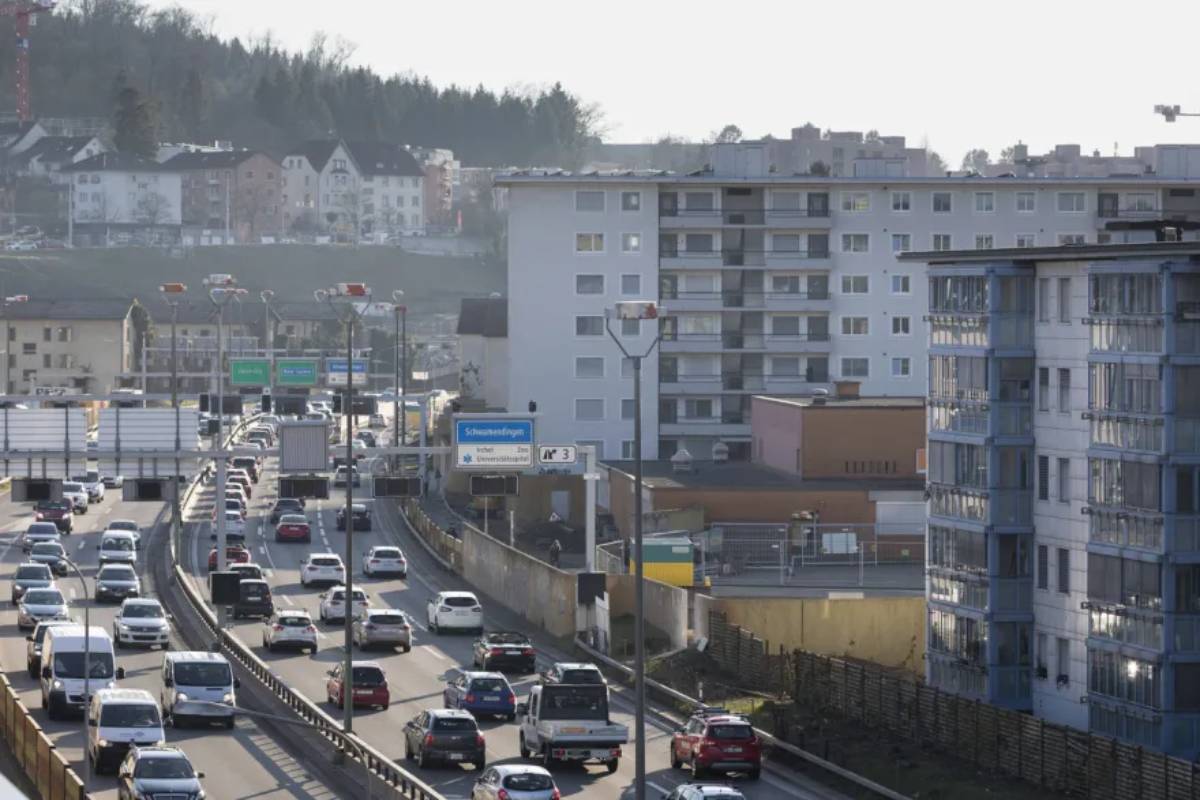
Image Source: Swissinfo

A new climate assessment suggests that Switzerland may be underreporting its greenhouse gas emissions gap, raising concerns over the accuracy of official climate progress tracking. The findings intensify scrutiny on national reporting standards and carry implications for regulatory credibility, corporate sustainability disclosures, and international climate commitments.

The report indicates that Switzerland’s actual emissions gap defined as the difference between current emission levels and targeted climate reduction pathways may be significantly larger than previously disclosed in official assessments. This discrepancy raises questions about measurement methodologies, sector coverage, and accounting frameworks.

Key areas of concern include emissions from transport, buildings, and imported goods, which may not be fully reflected in national inventories. Environmental analysts argue that revised calculations suggest slower progress toward legally binding climate targets.

The findings arrive as Switzerland continues implementing its long-term climate strategy aimed at achieving net-zero emissions, placing additional pressure on policy execution and reporting transparency.

The issue emerges within a broader global challenge of accurately measuring carbon emissions in increasingly complex, interconnected economies. Many countries rely on territorial accounting methods that exclude emissions embedded in imported goods and international supply chains, potentially underestimating true environmental impact.

Switzerland, like many advanced economies, has committed to ambitious climate targets aligned with international agreements such as the Paris Accord. However, discrepancies in emissions accounting methodologies have become a growing concern among climate scientists and policy analysts.

Historically, emissions reporting has focused on direct domestic output, but globalization has shifted significant carbon-intensive production abroad. This has led to calls for consumption-based accounting models that provide a more complete picture of a country’s environmental footprint. The Swiss case reflects these broader tensions between national reporting frameworks and global climate realities.

Climate policy analysts emphasize that emissions underestimation can significantly distort policy effectiveness, leading to insufficient mitigation strategies. Experts argue that accurate data is essential for designing credible carbon reduction pathways and ensuring accountability in climate commitments.

An environmental governance specialist noted that “without comprehensive emissions accounting, governments risk overestimating progress and underinvesting in necessary structural changes.” While official Swiss climate bodies maintain that current methodologies align with international standards, researchers advocate for broader inclusion of indirect emissions.

Policy observers also highlight growing pressure from international climate frameworks to improve transparency and comparability across nations. The debate reflects a wider scientific consensus that emissions accounting must evolve to reflect global supply chains, consumption patterns, and cross-border production networks more accurately.

For businesses, particularly those operating in carbon-intensive supply chains, increased scrutiny of emissions reporting could lead to stricter disclosure requirements and more rigorous sustainability audits. Companies may need to reassess ESG reporting frameworks and carbon offset strategies.

For investors, the findings highlight potential risks in relying on incomplete emissions data when evaluating climate-related financial exposure. This may drive demand for more transparent and standardized reporting systems.

From a policy perspective, governments may face pressure to revise emissions accounting methodologies and strengthen compliance mechanisms. This could accelerate regulatory reform in climate reporting standards and impact how national progress toward net-zero targets is measured and communicated.

Looking ahead, Switzerland is likely to face increased scrutiny from both domestic stakeholders and international climate bodies regarding emissions transparency. Future policy adjustments may include expanded reporting frameworks and revised accounting methodologies.

The key uncertainty lies in how quickly global standards can evolve to incorporate more comprehensive emissions tracking. The trajectory of climate accountability will depend on aligning scientific measurement approaches with policy enforcement mechanisms at the international level.

Source: Swissinfo
Date: June 22, 2026

  • Featured tools
Outplay AI
Free

Outplay AI is a dynamic sales engagement platform combining AI-powered outreach, multi-channel automation, and performance tracking to help teams optimize conversion and pipeline generation.

#
Sales
Learn more
Beautiful AI
Free

Beautiful AI is an AI-powered presentation platform that automates slide design and formatting, enabling users to create polished, on-brand presentations quickly.

#
Presentation
Learn more

Learn more about future of AI

Join 80,000+ Ai enthusiast getting weekly updates on exciting AI tools.
Thank you! Your submission has been received!
Oops! Something went wrong while submitting the form.

Switzerland Faces Larger Emissions Gap

June 22, 2026

The report indicates that Switzerland’s actual emissions gap defined as the difference between current emission levels and targeted climate reduction pathways may be significantly larger than previously disclosed in official assessments.

Image Source: Swissinfo

A new climate assessment suggests that Switzerland may be underreporting its greenhouse gas emissions gap, raising concerns over the accuracy of official climate progress tracking. The findings intensify scrutiny on national reporting standards and carry implications for regulatory credibility, corporate sustainability disclosures, and international climate commitments.

The report indicates that Switzerland’s actual emissions gap defined as the difference between current emission levels and targeted climate reduction pathways may be significantly larger than previously disclosed in official assessments. This discrepancy raises questions about measurement methodologies, sector coverage, and accounting frameworks.

Key areas of concern include emissions from transport, buildings, and imported goods, which may not be fully reflected in national inventories. Environmental analysts argue that revised calculations suggest slower progress toward legally binding climate targets.

The findings arrive as Switzerland continues implementing its long-term climate strategy aimed at achieving net-zero emissions, placing additional pressure on policy execution and reporting transparency.

The issue emerges within a broader global challenge of accurately measuring carbon emissions in increasingly complex, interconnected economies. Many countries rely on territorial accounting methods that exclude emissions embedded in imported goods and international supply chains, potentially underestimating true environmental impact.

Switzerland, like many advanced economies, has committed to ambitious climate targets aligned with international agreements such as the Paris Accord. However, discrepancies in emissions accounting methodologies have become a growing concern among climate scientists and policy analysts.

Historically, emissions reporting has focused on direct domestic output, but globalization has shifted significant carbon-intensive production abroad. This has led to calls for consumption-based accounting models that provide a more complete picture of a country’s environmental footprint. The Swiss case reflects these broader tensions between national reporting frameworks and global climate realities.

Climate policy analysts emphasize that emissions underestimation can significantly distort policy effectiveness, leading to insufficient mitigation strategies. Experts argue that accurate data is essential for designing credible carbon reduction pathways and ensuring accountability in climate commitments.

An environmental governance specialist noted that “without comprehensive emissions accounting, governments risk overestimating progress and underinvesting in necessary structural changes.” While official Swiss climate bodies maintain that current methodologies align with international standards, researchers advocate for broader inclusion of indirect emissions.

Policy observers also highlight growing pressure from international climate frameworks to improve transparency and comparability across nations. The debate reflects a wider scientific consensus that emissions accounting must evolve to reflect global supply chains, consumption patterns, and cross-border production networks more accurately.

For businesses, particularly those operating in carbon-intensive supply chains, increased scrutiny of emissions reporting could lead to stricter disclosure requirements and more rigorous sustainability audits. Companies may need to reassess ESG reporting frameworks and carbon offset strategies.

For investors, the findings highlight potential risks in relying on incomplete emissions data when evaluating climate-related financial exposure. This may drive demand for more transparent and standardized reporting systems.

From a policy perspective, governments may face pressure to revise emissions accounting methodologies and strengthen compliance mechanisms. This could accelerate regulatory reform in climate reporting standards and impact how national progress toward net-zero targets is measured and communicated.

Looking ahead, Switzerland is likely to face increased scrutiny from both domestic stakeholders and international climate bodies regarding emissions transparency. Future policy adjustments may include expanded reporting frameworks and revised accounting methodologies.

The key uncertainty lies in how quickly global standards can evolve to incorporate more comprehensive emissions tracking. The trajectory of climate accountability will depend on aligning scientific measurement approaches with policy enforcement mechanisms at the international level.

Source: Swissinfo
Date: June 22, 2026

Promote Your Tool

Copy Embed Code

Similar Blogs

June 22, 2026
|

Switzerland Tests Digital Sovereignty Limits

The analysis examines Switzerland’s dependence on major global technology providers across cloud computing, productivity software, search infrastructure, and digital communications.
Read more
June 22, 2026
|

Switzerland Faces Larger Emissions Gap

The report indicates that Switzerland’s actual emissions gap defined as the difference between current emission levels and targeted climate reduction pathways may be significantly larger than previously disclosed in official assessments.
Read more
June 22, 2026
|

Switzerland AI Jobs Surge Amid Digital Demand

A new labor market analysis indicates a record level of AI-related job postings and employment growth in Switzerland. Demand spans roles in machine learning engineering, data science.
Read more
June 22, 2026
|

Global Leaders Scrutinize AI Risks

The Geneva counter-summit brought together policymakers, academics, and technology governance experts to evaluate the risks associated with rapidly advancing artificial intelligence systems.
Read more
June 22, 2026
|

AI Reliability Crisis Deepens Amid Errors

The KPMG report, intended to analyze the benefits and risks of artificial intelligence adoption, reportedly included factual inconsistencies attributed to AI-generated content.
Read more
June 22, 2026
|

Skene Raises €800K for Agents

Skene has raised €800,000 in pre-seed funding to advance its AI-driven “code-reading agents” designed to help software products automatically teach users how to use them.
Read more